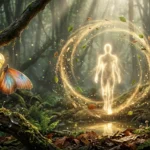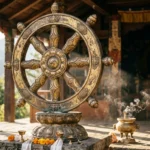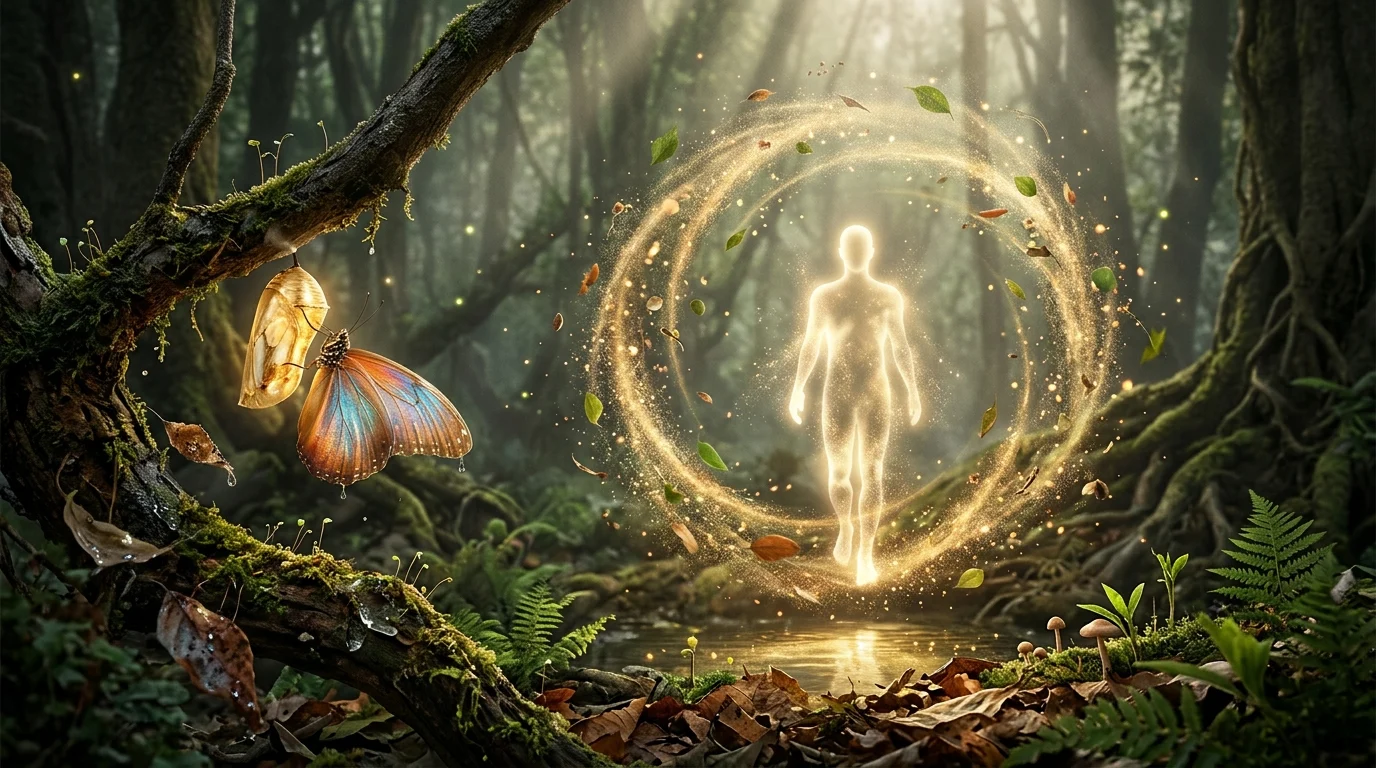
Reincarnation symbolism represents the cycle of death, rebirth, spiritual growth, and the continuation of the soul beyond one lifetime. Across different religions, cultures, and spiritual traditions, reincarnation reflects the belief that life does not simply end with physical death. Instead, it may continue through another existence.
The idea of reincarnation has inspired people to explore the mysteries of the soul, karma, destiny, and spiritual transformation. Symbols such as butterflies, snakes, phoenixes, spirals, and circles often represent renewal and the journey from one stage of existence to another.
Understanding reincarnation symbolism can reveal how different cultures interpret life, death, personal growth, and the possibility of new beginnings.
Reincarnation Symbolism Meaning (Clear Definition)
Reincarnation symbolism refers to images, objects, and spiritual concepts that represent the rebirth of the soul into a new life after physical death. It symbolizes the continuation of existence, transformation, and the possibility of spiritual development across multiple lifetimes.
The central idea is that death represents a transition rather than a final ending.
In many spiritual traditions, reincarnation connects with karma, which suggests that actions and choices influence future experiences. This belief encourages people to think about personal responsibility, compassion, and the consequences of their behavior.
Reincarnation symbolism commonly represents:
- Rebirth: Beginning another life or existence.
- Transformation: Moving from one spiritual stage to another.
- Karma: The relationship between actions and consequences.
- Soul Journey: The continuing development of the soul.
- Renewal: Leaving the past behind and embracing change.
- Spiritual Growth: Learning lessons through different experiences.
- Eternal Cycles: The repeating patterns of life, death, and rebirth.
These meanings appear in religious teachings, mythology, artwork, literature, and modern spiritual interpretations.
What Does Reincarnation Symbolism Represent?
Reincarnation symbolism represents the idea that existence follows a continuous journey of transformation. It reminds people that endings can create opportunities for new beginnings.
Different symbols communicate different aspects of this belief.
1. The Cycle of Life and Death
Circles and spirals frequently represent reincarnation because they have no obvious beginning or ending. They suggest that existence moves through repeating stages rather than following a single direction.
2. Spiritual Transformation
Reincarnation can symbolize the transformation of consciousness and the development of wisdom. Each new stage represents an opportunity to grow, understand, and change.
3. Karma and Consequences
Karma represents the connection between actions and their consequences. In traditions that teach reincarnation, karma influences the conditions and experiences associated with future births.
4. New Beginnings
Rebirth symbolizes hope, renewal, and the ability to start again. It encourages people to view difficult endings as possible opportunities for personal transformation.
5. The Immortality of the Soul
In traditions that believe in an enduring soul or spiritual essence, reincarnation represents continuity beyond physical death.
| Symbol | Reincarnation Meaning |
|---|---|
| Butterfly | Transformation and rebirth |
| Phoenix | Death, renewal, and resurrection |
| Snake | Renewal and transformation |
| Circle | Eternal cycles of existence |
| Spiral | Spiritual development |
| Lotus Flower | Spiritual awakening and growth |
| Egg | New life and potential |
These symbols have different meanings across cultures, so their interpretations depend on religious and historical context.
Spiritual Meaning of Reincarnation Symbolism
The spiritual meaning of reincarnation symbolism centers on the journey of the soul, personal development, and the possibility of existence beyond physical life.
Many spiritual traditions teach that life provides opportunities to develop wisdom, compassion, and understanding.
The Journey of the Soul
Some spiritual beliefs describe the soul as moving through multiple lifetimes. Each lifetime provides different experiences that contribute to spiritual development.
This interpretation encourages people to see life as part of a larger journey.
Karma and Spiritual Lessons
Karma plays an important role in many reincarnation traditions. It teaches that actions have consequences and that kindness, honesty, and compassion matter.
Rather than viewing karma only as punishment or reward, several traditions understand it through more complex ideas involving intention, responsibility, and cause and effect.
Breaking the Cycle of Rebirth
In some Eastern religious traditions, the ultimate spiritual goal involves freedom from the cycle of rebirth.
This concept has different names and meanings:
- Moksha: Liberation from the cycle of birth and death in Hindu traditions.
- Nirvana: Liberation from suffering and the cycle of rebirth in Buddhism.
- Samsara: The continuing cycle of birth, death, and rebirth.
These concepts are related but not identical. Their meanings depend on the specific philosophical and religious tradition.
Personal Transformation
Reincarnation symbolism can also inspire personal reflection without requiring belief in literal rebirth.
People may interpret it as a reminder that they can leave behind old habits, learn from mistakes, and develop a better understanding of themselves.
Biblical / Religious Meaning of Reincarnation Symbolism
Reincarnation has different meanings across world religions. Some traditions accept it as a central teaching, while others reject it or understand life after death differently.
Reincarnation in Hinduism
In Hindu traditions, reincarnation is closely connected with samsara, karma, and moksha.
The soul, commonly understood through the concept of atman, experiences repeated births until it achieves liberation. Karma influences the circumstances of future births.
The ultimate goal is liberation from samsara and realization of spiritual truth.
Reincarnation in Buddhism
Buddhism teaches rebirth, but its understanding differs from the Hindu concept of an eternal, unchanging soul.
The Buddhist doctrine of anatta rejects the idea of a permanent independent self. Instead, rebirth involves a continuing process of causes and conditions.
The ultimate goal is nirvana, which brings liberation from suffering and the cycle of rebirth.
Reincarnation in Jainism
Jainism teaches that individual souls experience repeated cycles of birth and death.
Karma influences the soul’s condition and future existence. Through right faith, right knowledge, and right conduct, individuals can work toward liberation.
Reincarnation in Christianity
Traditional Christianity generally does not teach reincarnation. Instead, it emphasizes one earthly life, resurrection, judgment, and eternal life.
The Bible discusses resurrection and spiritual renewal, but these ideas are different from reincarnation.
Reincarnation in Islam
Islam does not accept reincarnation as a standard religious teaching. Islamic belief generally describes one earthly life followed by death, resurrection, judgment, and the afterlife.
Therefore, reincarnation symbolism should be understood according to the religious tradition being discussed rather than treated as a universal belief.
Reincarnation Symbolism in History and Culture
Reincarnation has influenced religious beliefs, cultural practices, mythology, and philosophical discussions for thousands of years.
Different civilizations have developed their own explanations of what happens after death.
Ancient Indian Traditions
Ancient Indian religious and philosophical traditions developed detailed teachings about rebirth, karma, and liberation.
Hinduism, Buddhism, and Jainism each developed distinctive interpretations of the relationship between life, death, and spiritual existence.
Ancient Greek Philosophy
Some ancient Greek philosophers explored ideas involving the soul’s survival after death and its possible return to another body.
Pythagorean traditions and Plato’s philosophical writings contain discussions of the soul and reincarnation.
These ideas were important parts of certain ancient philosophical movements, although they were not universally accepted in Greek society.
Egyptian Beliefs About the Afterlife
Ancient Egyptian religion focused heavily on death, burial practices, and the afterlife.
Egyptian beliefs included the survival of different spiritual aspects of a person, but they should not be confused with the standard reincarnation teachings found in Indian religions.
Tibetan Buddhist Culture
Tibetan Buddhism includes distinctive traditions surrounding recognized reincarnated teachers, particularly the tulku tradition.
These spiritual lineages connect religious leadership with the belief that enlightened teachers may intentionally return to guide others.
Reincarnation in Modern Culture
Today, reincarnation appears in spiritual discussions, books, films, personal philosophies, and popular culture.
Some people interpret it literally, while others use it as a metaphor for transformation and the repeating patterns of human experience.
Reincarnation Symbolism in Literature and Art
Artists and writers have used reincarnation symbolism to explore identity, death, memory, transformation, and the mysteries of existence.
These themes allow audiences to consider whether life has a deeper meaning beyond physical experiences.
The Phoenix as a Symbol of Rebirth
The phoenix is one of the most recognizable symbols of renewal. In traditional mythology, this legendary bird dies and emerges again through a process of rebirth.
Its imagery represents the ability to rise after destruction and begin a new chapter.
Although the phoenix is not traditionally a direct symbol of reincarnation in every culture, its connection with renewal makes it a powerful related symbol.
Butterflies and Transformation
Butterfly emerging cocoon animal insect | Premium Photo – rawpixel
Butterflies symbolize transformation because they change from caterpillars into winged creatures.
Writers and artists often use this natural process as a metaphor for spiritual awakening, personal change, and the movement from one stage of existence to another.
Spirals and Eternal Cycles
The Trinity — The Triangle — In2Infinity
Spiral patterns appear in ancient artwork, architecture, and decorative traditions.
They can represent growth, movement, continuity, and repeating cycles. Their shape makes them useful visual symbols for exploring the idea of an ongoing spiritual journey.
The Lotus Flower
La flor: simbolismo y significado espiritual
The lotus flower holds deep spiritual significance in Hinduism and Buddhism.
It represents purity, spiritual awakening, and the possibility of rising above difficult conditions. Its symbolism connects naturally with ideas of spiritual development and liberation.
Dream Meaning of Reincarnation Symbolism
Dreams involving reincarnation may symbolize personal transformation, unresolved emotions, memories, or a desire to begin a new chapter.
Dream interpretations are subjective and do not establish that someone has experienced a previous lifetime.
Common dream symbols associated with reincarnation include:
- Dreaming of a Past Life: May reflect curiosity about personal identity, unexplored emotions, or the past.
- Dreaming of Being Reborn: Can represent a fresh start, personal growth, or a major life transition.
- Dreaming of a Butterfly: May symbolize emotional healing and transformation.
- Dreaming of Dying and Returning: Can represent the end of an old phase and the beginning of another.
- Dreaming of Repeating Events: May reflect familiar habits, unresolved situations, or recurring life challenges.
What Does It Mean to Dream About Reincarnation?
Dreaming about reincarnation may suggest that you are experiencing an important period of change.
You might be leaving behind an old identity, reconsidering your choices, or searching for a deeper understanding of your life.
The emotions and circumstances within the dream can help you explore its personal meaning.
Modern Meaning of Reincarnation Symbolism
In modern society, reincarnation symbolism represents more than religious beliefs about life after death. Many people also use it to understand personal growth, emotional healing, and the process of starting over.
A Symbol of Second Chances
Reincarnation can represent the opportunity to make different choices and create a better future.
It reminds people that mistakes do not have to define their entire lives.
A Symbol of Personal Growth
Modern interpretations often connect rebirth with positive lifestyle changes.
Leaving an unhealthy habit, developing a new skill, or adopting a different perspective can feel like beginning a new life.
A Symbol of Hope
For people who believe in reincarnation, the idea offers a way to understand existence as a continuing journey.
For others, it provides a comforting metaphor for renewal and the possibility of change.
A Symbol of Connection
Some interpretations suggest that reincarnation represents the connection between generations, human experiences, and the natural cycles of life.
It encourages reflection on how our choices influence others and shape the world around us.
FAQS:
1. What Is the Main Symbol of Reincarnation?
The circle is one of the most common symbols of reincarnation because it represents the repeating cycle of birth, death, and rebirth. Butterflies and phoenixes also symbolize transformation and renewal.
2. What Does Reincarnation Symbolize Spiritually?
Spiritually, reincarnation symbolizes the journey of the soul, karma, transformation, and spiritual development. Some traditions also connect it with liberation from repeated cycles of existence.
3. Which Animal Symbolizes Reincarnation?
The butterfly and snake are commonly associated with transformation and renewal. The phoenix, although a mythical bird, is another powerful symbol of death and rebirth.
4. What Is the Difference Between Reincarnation and Rebirth?
Reincarnation commonly refers to the belief that a soul enters another body after death. Rebirth is also used in Buddhist teachings, where continuity occurs without accepting a permanent, unchanging soul.
5. Does Reincarnation Have a Biblical Meaning?
Traditional Christianity does not teach reincarnation as a standard doctrine. Biblical teachings focus instead on resurrection, judgment, and eternal life.
Conclusion
Reincarnation symbolism represents the timeless ideas of rebirth, transformation, karma, and spiritual growth. Through symbols such as circles, butterflies, snakes, and phoenixes, it reminds us that endings can lead to new beginnings. Whether understood as a religious belief or a metaphor for personal change, reincarnation encourages reflection, hope, and a deeper appreciation of life’s journey.

I explore the meanings and stories behind symbols, helping readers understand their cultural, spiritual, and everyday significance through clear, engaging, and meaningful insights.