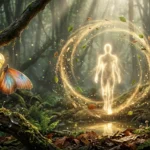
Soul symbolism represents the deepest part of human existence, including inner identity, spiritual awareness, emotions, and the connection between the physical and spiritual worlds. Across different cultures and religious traditions, the soul has symbolized life, consciousness, immortality, and the mystery of what makes each person unique.
The idea of the soul encourages people to look beyond physical appearances and explore their inner selves. Whether represented through light, birds, hearts, butterflies, or other meaningful images, soul symbolism offers a powerful way to understand human nature, personal growth, and spiritual connection.
Soul Symbolism Meaning (Clear Definition)
Soul symbolism refers to the use of images, objects, and ideas to represent the invisible essence of a living being. It expresses qualities that people traditionally associate with the soul, such as consciousness, identity, love, wisdom, and spiritual existence.
Unlike the physical body, which can be seen and touched, the soul is understood differently across philosophical, religious, and cultural traditions.
In simple terms, soul symbolism represents:
- Inner identity: The deepest sense of who a person is.
- Life and existence: The spiritual essence associated with being alive.
- Consciousness: Awareness, thoughts, and inner understanding.
- Immortality: The belief that something of a person continues beyond physical death.
- Spiritual connection: A relationship with a higher power or greater reality.
- Personal transformation: The journey toward wisdom, peace, and self-discovery.
These meanings make the soul one of the most meaningful symbols in human spirituality and philosophy.
What Does Soul Symbolism Represent?
Soul symbolism represents several important aspects of human life. Although interpretations differ between traditions, certain themes appear repeatedly.
1. Inner Self and Identity
The soul often represents a person’s true identity beyond appearance, possessions, or social position. It reminds people that their deepest character comes from within.
2. Life and Vitality
Many ancient traditions connected the soul with the force that gives life to the body. As a result, it became a symbol of existence, energy, and the mystery of being alive.
3. Love and Compassion
The soul also symbolizes emotional depth, kindness, and genuine human connection. Expressions such as having a beautiful soul describe someone whose character reflects generosity and compassion.
4. Freedom and Liberation
Images of birds, wings, and open skies frequently represent the soul’s desire for freedom. These symbols suggest rising above limitations and discovering a greater sense of purpose.
5. Wisdom and Self-Discovery
Soul symbolism encourages people to explore their thoughts, values, and beliefs. It represents the journey toward understanding oneself more deeply.
6. Immortality and Eternity
In many religious traditions, the soul is associated with existence beyond physical death. This interpretation makes it a symbol of eternity, remembrance, and spiritual continuity.
Spiritual Meaning of Soul Symbolism
The spiritual meaning of soul symbolism centers on inner awareness, personal transformation, and the search for a deeper connection with existence.
In spiritual traditions, the soul is often understood as the essential part of a person that connects physical life with spiritual reality.
Connection With the Divine
Many spiritual beliefs describe the soul as connected to a higher power, universal consciousness, or divine presence. This connection can encourage prayer, gratitude, humility, and compassion.
Inner Peace and Harmony
The soul is frequently associated with peace that comes from within. People use this symbolism to express emotional balance, acceptance, and freedom from unnecessary conflict.
Spiritual Awakening
Soul symbolism can also represent awakening. This idea describes becoming more conscious of personal values, deeper questions, and the meaning of life.
Growth and Transformation
Just as a butterfly changes through different stages of life, the soul is sometimes represented through transformation. This symbolism reflects learning from difficulties, releasing old habits, and becoming wiser.
Light and Higher Awareness
Light is one of the most recognizable spiritual symbols associated with the soul. It represents hope, goodness, clarity, and awareness.
Together, these interpretations make soul symbolism a reminder to nurture inner qualities rather than focus entirely on material achievements.
Biblical / Religious Meaning of Soul Symbolism
The soul holds an important place in Christianity and several other major religious traditions. However, different religions understand its nature and relationship with the body in distinct ways.
Soul Symbolism in Christianity
In Christianity, the soul is closely connected with human life, moral responsibility, and a person’s relationship with God.
The Bible frequently discusses the soul in connection with loving God, spiritual devotion, and the value of human life.
For example, Matthew 16:26 raises the question of what a person gains by acquiring the whole world but losing their soul. This teaching emphasizes the importance of spiritual well-being over worldly possessions.
Christian interpretations commonly associate the soul with:
- Faith and devotion to God.
- Eternal life and salvation.
- Love, goodness, and compassion.
- Moral choices and spiritual responsibility.
- The relationship between humanity and its Creator.
Soul Symbolism in Islam
In Islam, the human soul is commonly discussed through the concept of ruh, meaning spirit. The Quran teaches that the spirit belongs to the knowledge and command of Allah.
The concept of nafs, often translated as the self or soul, also plays an important role in Islamic spiritual understanding.
Islamic teachings connect the inner self with faith, personal responsibility, purification, and accountability before Allah.
Soul Symbolism in Hinduism
In Hindu philosophy, the concept of Atman refers to the inner self or spiritual essence. Many Hindu traditions understand Atman as distinct from the temporary physical body.
The ideas of karma, reincarnation, and spiritual liberation are closely connected with this understanding.
Soul Symbolism in Buddhism
Buddhism offers a different perspective through the teaching of anatta, or non-self. Rather than accepting an eternal, unchanging soul, Buddhist teachings examine how personal identity arises through changing physical and mental processes.
This distinction shows why soul symbolism can have different meanings across religious traditions.
Soul Symbolism in History and Culture
The idea of the soul has influenced human civilization for thousands of years. Ancient societies developed different symbols and traditions to express their understanding of life, death, and spiritual existence.
Ancient Egyptian Culture
Multiverse (Religion) | Encyclopedia MDPI
Ancient Egyptians developed a detailed understanding of the soul and its relationship with the afterlife.
One important concept was the Ba, often represented as a bird with a human head. It symbolized an aspect of an individual’s personality and was associated with movement between the earthly world and the afterlife.
The Ka represented another aspect of spiritual existence, commonly connected with life force.
Ancient Greek Philosophy
Greek philosophers explored the soul through questions about consciousness, morality, and human existence.
Plato discussed the soul as an important part of human identity and explored its relationship with knowledge, virtue, and immortality.
Aristotle offered a different philosophical account, describing the soul as the form or organizing principle of a living body.
Indigenous Cultural Traditions
Many Indigenous cultures have spiritual traditions that connect human existence with ancestors, nature, animals, and the wider community.
In some traditions, birds, animals, natural elements, and sacred objects express ideas about spiritual relationships and the continuation of life. Interpretations vary significantly between individual cultures.
Eastern Philosophical Traditions
Hindu and Buddhist philosophies have deeply influenced how people understand consciousness, existence, suffering, and spiritual development.
Their different teachings demonstrate that the soul is not a single universal concept but an idea interpreted through diverse cultural and philosophical perspectives.
Soul Symbolism in Literature and Art
Artists and writers have used soul symbolism to explore emotions, human identity, love, mortality, and spiritual transformation.
Because the soul cannot be physically observed, creative works often represent it through recognizable images.
Embracing the New Galilee: Transitioning into Our Etheric Bodies for Co-Creation
White Dove Flying Through Cloudy Sky with Sunbeams Background
Light and Glowing Figures
Light frequently represents purity, wisdom, hope, and spiritual awareness. Artists may use glowing human figures or golden light to suggest the presence of an inner spiritual essence.
Birds and Wings
Birds are common symbols of freedom, transcendence, and spiritual movement. Their ability to fly makes them powerful artistic representations of the soul rising above earthly limitations.
Butterflies
Butterflies often represent transformation, renewal, and the journey from one stage of existence to another.
Their life cycle makes them especially meaningful in artwork about personal growth and spiritual change.
Hearts and Flowers
Hearts symbolize emotional depth, love, and compassion, while flowers can represent beauty, renewal, and the temporary nature of physical life.
In literature, these images help communicate feelings that ordinary descriptions sometimes cannot fully express.
Shadows and Reflections
Writers and artists also use shadows, mirrors, and reflections to explore the hidden self, personal identity, and the relationship between outward appearance and inner reality.
Dream Meaning of Soul Symbolism
Dreams involving souls, spiritual light, birds, or mysterious human figures can reflect personal emotions, memories, beliefs, and questions about life.
However, dream meanings are subjective. No single interpretation applies to everyone.
Common symbolic interpretations include:
| Dream Symbol | Possible Interpretation |
|---|---|
| Bright spiritual light | Hope, clarity, or awareness |
| Flying freely | Independence and personal freedom |
| A white bird | Peace, hope, or spiritual connection |
| A glowing human figure | Inner identity or inspiration |
| A butterfly | Personal transformation |
| Seeing a reflection | Self-examination and identity |
| A peaceful spiritual presence | Comfort, acceptance, or emotional reassurance |
Dreaming About a Bright Soul
A bright or glowing figure may symbolize hope, inner clarity, or a desire for spiritual understanding.
Dreaming About a Flying Soul
This experience may represent freedom, change, or a wish to move beyond difficult circumstances.
Dreaming About a Departed Loved One
Such dreams may reflect memories, grief, love, or the emotional importance of someone who has passed away. Some spiritual traditions interpret them differently, but dreams alone cannot establish supernatural communication.
Modern Meaning of Soul Symbolism
In modern life, soul symbolism continues to influence spirituality, psychology, relationships, personal development, and popular culture.
People often use the idea of the soul to describe qualities that go beyond physical appearance or social success.
Personal Growth and Self-Awareness
Modern interpretations connect the soul with understanding personal values, recognizing emotions, and developing a stronger sense of identity.
Emotional Connection
Expressions such as soul connection and soulmate describe relationships that people experience as deeply meaningful.
Although these terms have spiritual associations, they are also commonly used to describe strong emotional bonds.
Mental and Emotional Well-Being
Soul symbolism can encourage people to make time for reflection, meaningful relationships, creativity, and activities that bring a sense of purpose.
It does not replace professional mental health care, but it can provide a meaningful framework for personal reflection.
Art, Tattoos, and Jewelry
Tattoo design: winged figure in motion, style minimalist
The Soul Charm Necklace | Sarah O.
7
Soul-inspired designs are popular in tattoos, jewelry, and decorative artwork.
Common choices include:
- Wings representing freedom and liberation.
- Butterflies representing transformation.
- Doves representing peace and spiritual hope.
- Trees representing growth and connection.
- Light representing awareness and inner strength.
These designs allow people to express personal beliefs, memories, and meaningful experiences.
Common Symbols Associated With the Soul
Different objects and images can represent the soul in spiritual, artistic, and cultural traditions.
| Symbol | Common Symbolic Meaning |
|---|---|
| Dove | Peace, purity, and spiritual hope |
| Butterfly | Transformation and renewal |
| Light | Awareness, wisdom, and divine connection |
| Wings | Freedom and transcendence |
| Heart | Love and compassion |
| Tree | Life, growth, and connection |
| Flame | Life force and spiritual energy |
| Lotus | Spiritual growth and purity |
| Bird | Freedom and the journey of existence |
| Mirror | Self-awareness and inner identity |
These associations are common interpretations rather than universal definitions. Their meanings depend on cultural background and personal beliefs.
FAQS:
1. What Does the Soul Symbolize?
The soul commonly symbolizes inner identity, consciousness, life, spiritual connection, and the deeper nature of human existence. Different religious and philosophical traditions interpret it in different ways.
2. What Is the Spiritual Meaning of the Soul?
Spiritually, the soul often represents a person’s connection with a higher power, inner awareness, and personal growth. It can also symbolize peace, wisdom, and the search for life’s deeper meaning.
3. What Animal Symbolizes the Soul?
Birds, especially doves, frequently symbolize the soul because they represent freedom and spiritual transcendence. Butterflies also symbolize transformation and renewal.
4. What Color Represents the Soul?
White and gold are commonly associated with the soul. White can represent purity and peace, while gold often symbolizes divine connection, wisdom, and spiritual illumination.
5. What Is the Difference Between the Soul and the Spirit?
The terms soul and spirit have different meanings depending on religious and philosophical traditions. In some beliefs, they describe closely connected aspects of human existence, while others distinguish between the inner self, life force, and spiritual essence.
Conclusion
Soul symbolism represents the mystery and depth of human existence. Through images of light, birds, butterflies, hearts, and other meaningful symbols, it expresses ideas about identity, love, freedom, and spiritual connection.
Although cultures and religions interpret the soul differently, its symbolism encourages people to look beyond physical appearances and appreciate the qualities that give life deeper meaning. Ultimately, the soul reminds us that true richness comes not only from what we possess but also from who we become.

I explore the meanings and stories behind symbols, helping readers understand their cultural, spiritual, and everyday significance through clear, engaging, and meaningful insights.