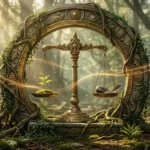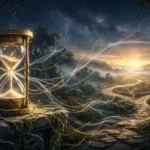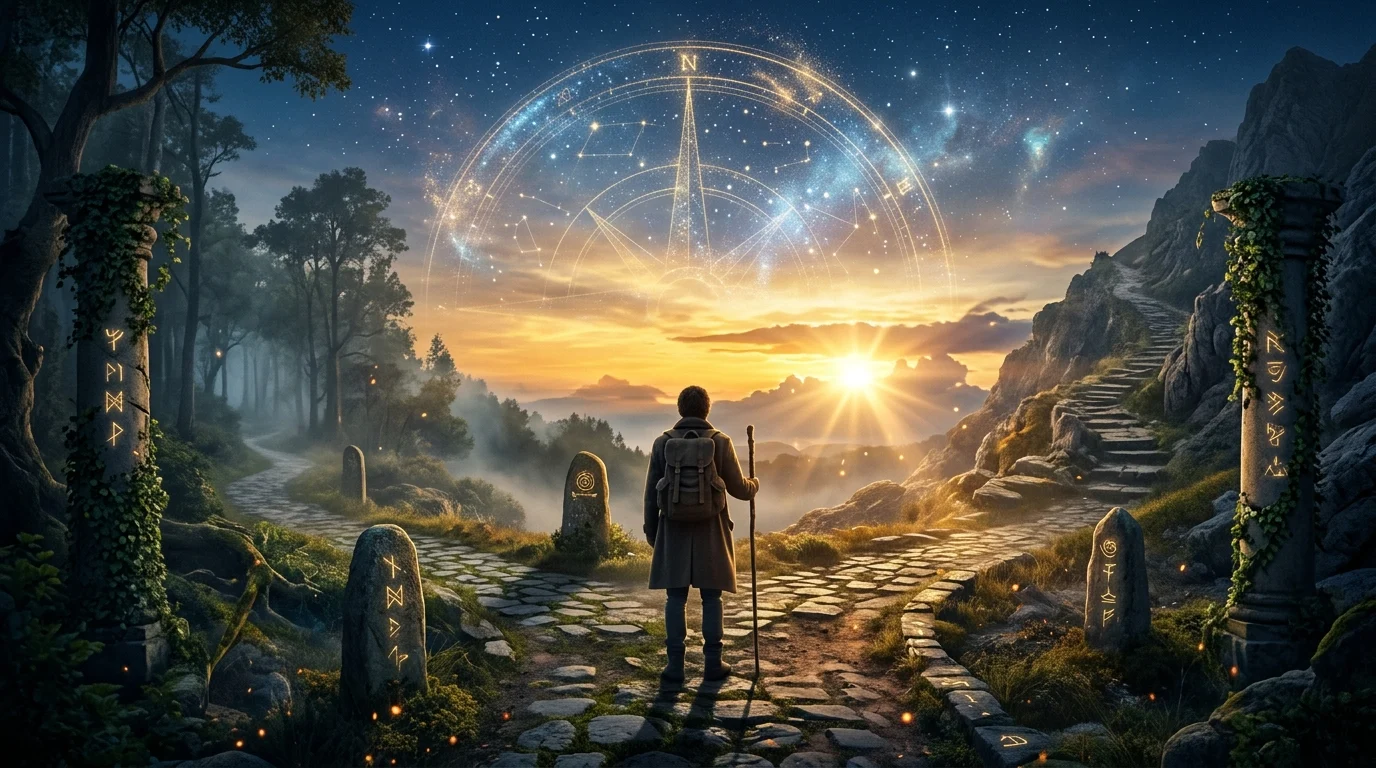
Destiny symbolism explores the idea that every life has a direction, purpose, and meaningful journey. It represents the belief that certain experiences, opportunities, and encounters may connect to a greater path. Across different cultures, destiny appears through symbols of fate, divine guidance, personal choices, and the unknown future.
From ancient traditions to modern spiritual beliefs, destiny symbolism reminds people that life is a combination of unexpected events, personal decisions, and possibilities. Symbols such as roads, stars, clocks, compasses, and crossroads often represent the journey toward one’s destiny.
Understanding these symbols can offer a deeper perspective on life’s challenges, opportunities, and personal growth.
Destiny Symbolism Meaning (Clear Definition)
Destiny symbolism refers to images, objects, signs, and ideas that represent a person’s life path, future direction, or greater purpose. These symbols often express the belief that life follows a meaningful journey shaped by circumstances, choices, and forces beyond human control.
In simple terms, destiny symbolism represents the connection between where we come from, where we are going, and the experiences that shape our lives.
Some common meanings include:
- Life purpose: Discovering the reason behind personal experiences and goals.
- Fate: The belief that certain events are meant to happen.
- Divine guidance: Feeling guided by a higher power or spiritual force.
- Life journey: Moving through different stages of growth and transformation.
- Free will: Making personal decisions that influence the future.
- Opportunity: Recognizing important moments that may change one’s direction.
- Transformation: Becoming a different person through meaningful experiences.
Destiny does not have the same meaning for everyone. Some people understand it spiritually, while others see it as a combination of personal choices, circumstances, and opportunities.
What Does Destiny Symbolism Represent?
Destiny symbolism represents the relationship between life’s direction and the events that influence it. It often appears through objects and images that suggest movement, guidance, purpose, and change.
Here are some of its most recognizable symbolic representations.
| Symbol | Symbolic Meaning |
|---|---|
| Road | Life journey and direction |
| Crossroads | Important decisions and choices |
| Stars | Guidance, hope, and future possibilities |
| Compass | Direction and personal purpose |
| Clock | Time, timing, and life’s stages |
| Open Door | New opportunities and beginnings |
| Mountain | Challenges and personal achievement |
| Butterfly | Transformation and new possibilities |
| Wheel | Life cycles and changing circumstances |
| Key | Discovering opportunities and hidden potential |
These symbols help communicate the idea that every journey involves different experiences.
For example, a crossroads can represent a difficult decision, while a compass may symbolize the search for direction. An open door can suggest an opportunity that leads to a completely different future.
Together, these images express the many ways people understand destiny.
Spiritual Meaning of Destiny Symbolism
Spiritually, destiny symbolism represents the belief that life has a deeper purpose beyond everyday experiences. It can suggest that challenges, relationships, and unexpected changes may contribute to personal development.
Many spiritual traditions connect destiny with divine timing, soul purpose, karma, and spiritual growth.
1. Divine Guidance
Some spiritual beliefs suggest that a higher power guides people toward meaningful experiences. Stars, light, and paths often symbolize this guidance.
2. Soul Purpose
Destiny can represent the journey of discovering personal values, talents, and responsibilities. It encourages people to reflect on what gives their lives meaning.
3. Karma and Life Lessons
In traditions that believe in karma, actions influence future experiences. Destiny symbolism may therefore represent the connection between past actions and present circumstances.
4. Spiritual Awakening
Certain experiences can encourage people to question their beliefs and understand themselves more deeply. A sunrise or opening door can symbolize this awakening.
5. Trust and Surrender
Some people interpret destiny as a reminder to accept what they cannot control while continuing to make thoughtful decisions.
Ultimately, the spiritual meaning of destiny encourages hope, patience, self-awareness, and trust in life’s journey.
Biblical / Religious Meaning of Destiny Symbolism
In biblical and religious traditions, destiny is often connected with God’s purpose, divine providence, faith, and human responsibility.
The Bible discusses God’s plans for humanity while also emphasizing the importance of personal choices, obedience, and faith.
Several biblical themes connect with destiny symbolism:
- Divine Purpose: God’s plans represent a meaningful direction for human life.
- Faith: Trusting God during uncertain situations reflects confidence in divine guidance.
- The Path of Righteousness: A path can symbolize choosing a life guided by spiritual values.
- Hope: Light often represents God’s presence, truth, and guidance.
- New Beginnings: Biblical journeys frequently represent transformation and spiritual development.
Jeremiah 29:11 is commonly associated with hope and God’s plans for the future. It reminds believers that difficult circumstances do not necessarily mean that their lives have lost direction.
Christianity generally emphasizes God’s sovereignty alongside human responsibility. Therefore, destiny should not simply be understood as a fixed future that makes personal decisions meaningless.
In other religious traditions, destiny may connect with karma, divine will, reincarnation, or the relationship between human actions and spiritual development.
Although interpretations differ, many religions encourage people to live with purpose, faith, and moral responsibility.
Destiny Symbolism in History and Culture
The idea of destiny has influenced human civilizations for thousands of years. Ancient societies often used mythology, religious beliefs, astrology, and symbolic objects to explain the mysteries of life and the future.
Different cultures developed their own interpretations of destiny.
Ancient Greek Culture
In Greek mythology, the Moirai (the Fates) represented the forces that controlled human lifespans. Clotho spun the thread of life, Lachesis measured it, and Atropos cut it.
Their imagery became a powerful representation of fate and the limits of human control.
Roman Culture
Roman traditions included the concept of Fortuna, the goddess associated with fortune and changing circumstances. Her wheel became a recognizable symbol of life’s unpredictable nature.
Hindu Traditions
In Hindu philosophy, destiny is often discussed alongside karma, dharma, and reincarnation. Actions, responsibilities, and spiritual development play important roles in understanding life’s direction.
Islamic Traditions
Islam teaches belief in divine decree, known as Qadar. This belief emphasizes Allah’s knowledge and power while also recognizing human responsibility for choices and actions.
Chinese Culture
Traditional Chinese philosophy includes ideas about harmony, balance, and the relationship between human life and the natural order. The concept of destiny can connect with personal circumstances and the larger forces shaping existence.
These cultural perspectives show that destiny has never had just one universal meaning. Each tradition interprets life’s direction through its own history, values, and spiritual understanding.
Destiny Symbolism in Literature and Art
Destiny symbolism plays an important role in literature, poetry, paintings, mythology, and storytelling. Artists and writers often use symbolic images to explore questions about fate, freedom, purpose, and the future.
Some common artistic representations include:
1. Roads and Pathways
A road often represents the journey of life. A straight road may suggest a clear direction, while a winding path can symbolize uncertainty and unexpected experiences.
2. Stars and the Night Sky
Stars frequently represent hope, guidance, and the mysteries of the future. They can suggest that people are searching for direction in a vast and uncertain world.
3. The Wheel of Fortune
The wheel represents changing circumstances, success, failure, and the unpredictable nature of life. It appears in historical artwork, mythology, and tarot symbolism.
4. Doors and Gates
An open door can symbolize a new opportunity or an important turning point. A closed gate may represent obstacles, limitations, or an uncertain future.
5. Threads and Knots
Threads can represent the connections between people, events, and experiences. In mythology, the thread of life often symbolizes the idea that human existence follows a larger pattern.
In literature, destiny frequently appears through characters who face difficult choices. Their decisions reveal the tension between what they believe is meant to happen and what they want to achieve.
Dream Meaning of Destiny Symbolism
Dreams about destiny may reflect thoughts about the future, important decisions, personal ambitions, or uncertainty about life’s direction.
Their meanings depend on the dream’s details and the dreamer’s personal experiences. They should not be treated as definite predictions.
Here are some common destiny-related dream symbols:
- Dreaming of a Long Road: May reflect your journey toward a personal goal or uncertainty about your direction.
- Dreaming of a Crossroads: Can represent an important decision or competing choices.
- Dreaming of Bright Stars: May symbolize hope, inspiration, or a desire for guidance.
- Dreaming of an Open Door: Can suggest new possibilities or readiness for change.
- Dreaming of a Clock: May reflect concerns about time, timing, or missed opportunities.
- Dreaming of Climbing a Mountain: May represent ambition, perseverance, and overcoming challenges.
- Dreaming of Losing Your Way: May reflect confusion about your future or uncertainty about a current decision.
Rather than viewing these dreams as messages about a fixed future, consider how they relate to your current emotions, goals, and experiences.
Modern Meaning of Destiny Symbolism
In modern life, destiny symbolism often represents the search for meaning, personal identity, and a sense of direction.
People use destiny-related symbols in tattoos, jewelry, artwork, personal accessories, and inspirational designs. These images can serve as reminders of important experiences and future ambitions.
Some popular modern interpretations include:
Personal Growth: Destiny represents the possibility of becoming stronger, wiser, and more confident through experience.
Life Decisions: Crossroads and pathways remind people that everyday choices can influence their future.
Hope and Motivation: Stars, sunlight, and open doors represent optimism and the courage to pursue new opportunities.
Personal Freedom: Modern interpretations often balance destiny with free will, emphasizing that people can shape their lives through their actions.
Meaningful Connections: Some people use destiny symbolism to express the belief that certain relationships and encounters have special significance.
In contemporary culture, destiny does not always mean that everything has already been decided. For many people, it represents a meaningful future that develops through decisions, experiences, and opportunities.
This interpretation offers an important reminder: although people cannot control every event, they can influence how they respond to life’s circumstances.
FAQS:
What Is the Main Symbol of Destiny?
The road or pathway is one of the most recognizable symbols of destiny because it represents life’s direction, personal choices, and the journey toward the future.
What Does Destiny Symbolize Spiritually?
Spiritually, destiny often symbolizes divine guidance, soul purpose, personal growth, and the belief that life has a deeper meaning.
What Animals Symbolize Destiny?
Butterflies, birds, and eagles can represent destiny through themes of transformation, freedom, vision, and new possibilities. Their meanings vary across cultures and spiritual traditions.
What Does a Crossroads Symbolize in Destiny?
A crossroads represents an important decision or turning point in life. It reminds people that different choices can lead to different experiences and opportunities.
Is Destiny the Same as Fate?
Destiny and fate are closely related, but they are not always identical. Fate often suggests events beyond personal control, while destiny can also describe a meaningful direction shaped by choices and experiences.
Conclusion
Destiny symbolism represents life’s journey, personal purpose, meaningful choices, and the mysteries of the future. Through symbols such as roads, stars, crossroads, and compasses, it expresses the human desire to understand where life is leading.
Although different cultures and spiritual traditions interpret destiny in their own ways, its central message remains inspiring: life is a journey filled with possibilities, lessons, and opportunities. The future may be uncertain, but every thoughtful decision can help shape the path ahead.

I explore the meanings and stories behind symbols, helping readers understand their cultural, spiritual, and everyday significance through clear, engaging, and meaningful insights.