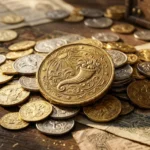
Money symbolism explores what money represents beyond its financial value. Across different cultures, religions, and spiritual traditions, money symbolizes wealth, success, security, freedom, power, opportunity, and personal responsibility. It can also represent ambition, greed, generosity, or the desire for a better life.
Money plays an important role in everyday life, but its symbolic meaning goes much deeper than buying and selling. It reflects human values, personal goals, social relationships, and beliefs about abundance. Understanding money symbolism helps us explore how people connect financial prosperity with emotional, cultural, and spiritual experiences.
Money Symbolism Meaning (Clear Definition)
Money symbolism refers to the deeper meanings and ideas that people associate with money beyond its practical use as a medium of exchange.
Symbolically, money often represents:
- Wealth and prosperity: Financial success, abundance, and material comfort.
- Freedom and independence: The ability to make personal choices without financial restrictions.
- Power and influence: The capacity to affect decisions and opportunities.
- Security and stability: Protection against uncertainty and future difficulties.
- Opportunity and potential: Access to education, experiences, and personal growth.
- Generosity and kindness: Sharing resources and helping others.
- Greed and attachment: An unhealthy desire for possessions and material wealth.
The meaning of money depends on how people earn, spend, save, and share it. For some, it represents safety and peace of mind. For others, it represents achievement, status, or personal freedom.
Ultimately, money is not simply a measure of wealth. It can also reflect the priorities and values that guide a person’s life.
What Does Money Symbolism Represent?
Money symbolism represents several important aspects of human life. Its meaning changes according to personal experiences, cultural traditions, and individual beliefs.
Here are the most common symbolic interpretations.
1. Wealth and Abundance
Money is one of the most recognizable symbols of wealth and abundance. It represents having enough resources to meet personal needs and enjoy life’s opportunities.
In many cultures, financial prosperity is associated with achievement, comfort, and a successful future.
2. Freedom and Independence
Money can symbolize freedom because financial resources provide more choices.
People may use money to pursue education, travel, start businesses, support families, or leave difficult situations. In this sense, money represents independence and control over personal decisions.
3. Power and Authority
Throughout history, money has represented social influence and economic power.
People with significant financial resources often have greater access to opportunities and decision-making positions. This association makes money a symbol of authority, status, and influence.
4. Security and Protection
Money also represents safety and stability.
Savings can help people prepare for unexpected expenses, medical emergencies, and future responsibilities. This is why many people associate financial stability with emotional peace.
5. Success and Achievement
Money often symbolizes hard work, ambition, and accomplishment.
Although financial wealth does not always reflect personal success, society frequently connects prosperity with professional achievement and social recognition.
6. Generosity and Compassion
Money can represent kindness when people use it to support others.
Charitable donations, family assistance, community projects, and acts of generosity show how financial resources can become expressions of love and compassion.
7. Greed and Materialism
Money can also carry negative meanings.
When people value wealth above relationships, honesty, or personal happiness, it may symbolize greed, selfishness, and excessive attachment to material possessions.
Spiritual Meaning of Money Symbolism
The spiritual meaning of money symbolism often focuses on abundance, gratitude, generosity, responsibility, and the relationship between material wealth and inner fulfillment.
Many spiritual traditions encourage people to view money as a resource that should support meaningful living rather than control their identity.
Money as a Symbol of Abundance
In several spiritual and metaphysical traditions, money represents abundance and the ability to receive life’s opportunities.
Abundance does not always mean having unlimited wealth. It can also involve appreciating what you have, recognizing opportunities, and developing a healthy relationship with material resources.
Money and Positive Energy
Some modern spiritual beliefs associate money with positive energy, gratitude, and personal intention.
From this perspective, responsible financial habits and a generous attitude can encourage a more balanced relationship with wealth.
These interpretations reflect spiritual beliefs rather than scientifically established energy effects.
Money as a Symbol of Balance
Money can represent the balance between material and spiritual needs.
A person may need financial resources to maintain a comfortable life while also seeking love, wisdom, purpose, and emotional peace.
Spiritual interpretations often encourage people to appreciate material blessings without allowing possessions to become the center of their lives.
Money and Generosity
Sharing money can symbolize compassion and a willingness to support others.
Many spiritual teachings emphasize giving according to one’s ability and helping people facing difficulties.
In this way, money becomes a tool for creating positive change.
Biblical / Religious Meaning of Money Symbolism
Money has an important place in biblical and religious discussions. Different traditions explore its relationship with responsibility, generosity, temptation, justice, and human values.
Money Symbolism in the Bible
In the Bible, money can represent practical needs, stewardship, generosity, and the temptation of greed.
Scriptural teachings do not present money itself as inherently evil. Instead, they frequently emphasize the importance of a person’s attitude toward wealth.
The Bible encourages believers to use resources responsibly and avoid allowing financial possessions to replace spiritual priorities.
Money as a Symbol of Temptation
Money can symbolize temptation when the desire for wealth becomes more important than honesty, compassion, or faith.
Biblical teachings warn against greed and excessive love of material possessions.
This interpretation reminds readers that financial success should not come at the expense of moral values.
Money as a Symbol of Generosity
Religious teachings frequently connect giving with kindness and responsibility.
Supporting people in need, caring for families, and contributing to communities are examples of using financial resources for meaningful purposes.
Money in Other Religious Traditions
Different religions also discuss wealth through the ideas of responsibility, fairness, and generosity.
- Islam: Wealth is considered a trust from Allah, and teachings emphasize lawful earnings, charity, Zakat, and helping those in need.
- Buddhism: Money is not necessarily considered harmful, but attachment, craving, and greed can create suffering.
- Hinduism: Wealth is associated with Lakshmi, the goddess of prosperity, fortune, and abundance. Its responsible use remains important.
- Christianity: Financial resources are often discussed in connection with stewardship, generosity, humility, and moral responsibility.
These traditions offer different perspectives, but many share the idea that wealth should serve human well-being rather than become an object of uncontrolled desire.
Money Symbolism in History and Culture
Money has represented wealth, authority, trust, and social organization throughout human history.
Its symbolic meaning has developed alongside trade, governments, empires, and cultural traditions.
Ancient Money and Wealth
In ancient civilizations, valuable objects such as gold, silver, shells, and metal coins served as forms of exchange.
These materials often symbolized prosperity and social importance.
Gold became especially meaningful because of its beauty, durability, and rarity. Ancient rulers used gold coins and precious objects to demonstrate authority and economic strength.
EdgarLOwen.com ANCIENT GREEK COINS (The East)
Gold Buying Mistakes: The mistakes we make by buying gold – The Economic Times
9
Money as a Symbol of Power
Kings, emperors, and governments historically used currency to represent political authority.
Coins often carried the images of rulers, important symbols, or national identities. Their circulation helped communicate the power and legitimacy of governments.
Cultural Beliefs About Money
Different cultures attach different meanings to financial prosperity.
For example:
- In Chinese culture, money is commonly associated with good fortune, prosperity, and success. Red envelopes containing money are traditionally given during celebrations.
- In many Western cultures, money is associated with independence, opportunity, and economic achievement.
- In South Asian traditions, wealth is often connected with family security, prosperity, religious celebrations, and blessings.
- In many African cultural traditions, wealth can also involve community support, family responsibility, livestock, land, and shared resources.
Money and Social Status
In many societies, financial wealth has become a symbol of social position.
Expensive clothing, luxury homes, jewelry, and valuable possessions can communicate economic success. However, different cultures also recognize respect, wisdom, family relationships, and generosity as important forms of wealth.
Money Symbolism in Literature and Art
Money has inspired writers, painters, poets, and artists for centuries. It often represents much more than financial value.
In literature and visual art, money can symbolize ambition, corruption, freedom, inequality, temptation, and the conflict between material wealth and human happiness.
Money as a Symbol of Greed in Literature
Many literary works explore how the desire for wealth can change human behavior.
Characters may sacrifice friendships, relationships, and moral principles to gain financial power. Through these stories, money becomes a symbol of temptation and the dangers of excessive ambition.
Money as a Symbol of Freedom
Some writers present money as a way to escape poverty, social restrictions, or dependence.
In these stories, financial independence represents the opportunity to build a different future and make personal choices.
Money in Paintings and Visual Art
Artists frequently use coins, gold, jewelry, banknotes, and treasure to communicate wealth and social inequality.
Marinus van Reymerswaele – The Moneychanger and his Wife (1538) – artschaft
Get Ready for the New Trillionaire Class | Oxfam GB
12
Some artworks celebrate prosperity and luxury, while others criticize greed and materialism.
Money as a Symbol of Human Values
In creative works, money often reveals what characters value most.
It can show whether someone prioritizes family, power, security, love, or personal satisfaction. This makes money a powerful symbol for exploring human nature.
Dream Meaning of Money Symbolism
Dreaming about money can have several possible symbolic interpretations. The meaning often depends on the dream’s details and the emotions experienced during sleep.
Dreams do not have one universally established meaning, so personal circumstances and feelings are important when interpreting them.
Dreaming of Finding Money
Finding money in a dream may symbolize opportunity, confidence, unexpected possibilities, or a desire for greater security.
It can also reflect feelings of discovering personal strengths or recognizing new possibilities.
Dreaming of Losing Money
Losing money may represent worries about security, missed opportunities, or fear of losing control.
Sometimes, this dream reflects everyday financial concerns rather than a deeper symbolic message.
Dreaming of Receiving Money
Receiving money in a dream may symbolize appreciation, support, recognition, or the desire to feel valued.
It can also reflect hopes for improvement in personal or professional life.
Dreaming of Giving Money Away
Giving money in a dream may represent generosity, emotional support, responsibility, or a willingness to help someone.
Its interpretation may change depending on whether the experience feels positive or stressful.
Dreaming of Counting Money
Counting money may symbolize planning, ambition, careful decision-making, or concerns about financial stability.
It can reflect a desire to understand your resources and prepare for future responsibilities.
Modern Meaning of Money Symbolism
In modern society, money represents more than physical currency. Digital payments, online banking, investments, and electronic transactions have changed how people understand and use financial resources.
However, its symbolic meanings remain closely connected to freedom, security, achievement, and opportunity.
Money as Financial Independence
Today, many people associate money with the freedom to make important life decisions.
Financial independence can provide opportunities to choose a career, support loved ones, travel, and pursue personal interests.
Money as a Measure of Success
Modern culture often connects wealth with professional achievement and social status.
However, money alone cannot measure someone’s intelligence, kindness, happiness, or personal worth.
True success can also include meaningful relationships, good health, knowledge, and a sense of purpose.
Digital Money and Changing Values
Digital wallets, online banking, and cryptocurrencies have transformed the way people interact with money.
5 Benefits of Using a Mobile Wallet for Gift Cards
Businessperson Doing Online Banking On Laptop
7
Although money increasingly exists in digital form, people continue to associate it with trust, opportunity, security, and economic power.
Money and Personal Responsibility
Modern money symbolism also highlights the importance of financial awareness.
Saving, budgeting, avoiding unnecessary debt, and spending responsibly can help people build a more stable future.
Money becomes most valuable when people use it thoughtfully to support their needs, goals, and relationships.
Common Symbolic Meanings of Money
The following table summarizes the most widely recognized interpretations of money symbolism.
| Symbolic Meaning | What It Represents |
|---|---|
| Wealth | Financial prosperity and possessions |
| Abundance | Plenty of resources and opportunities |
| Freedom | Independence and personal choices |
| Security | Stability and protection |
| Power | Authority and influence |
| Success | Achievement and ambition |
| Generosity | Kindness and giving |
| Greed | Excessive desire for wealth |
| Responsibility | Wise financial decisions |
| Opportunity | New possibilities and growth |
FAQS:
1. What Does Money Symbolize Spiritually?
Spiritually, money often symbolizes abundance, gratitude, generosity, responsibility, and material blessings. Some traditions also use it to explore the importance of balancing financial desires with inner fulfillment.
2. Is Money a Symbol of Wealth and Success?
Yes, money commonly represents wealth, prosperity, and achievement. However, financial possessions do not necessarily reflect a person’s happiness, character, or overall success.
3. What Does Money Symbolize in the Bible?
In the Bible, money can symbolize stewardship, generosity, responsibility, and temptation. Biblical teachings emphasize using wealth wisely rather than allowing greed to control one’s life.
4. What Does Finding Money in a Dream Symbolize?
Finding money in a dream may symbolize opportunity, confidence, personal potential, or hopes for financial security. Its possible meaning depends on the dreamer’s emotions and personal circumstances.
5. Is Money a Positive or Negative Symbol?
Money can have both positive and negative meanings. It may represent freedom, security, and generosity, but it can also symbolize greed, materialism, and excessive attachment.
Conclusion
Money symbolism represents much more than financial wealth. It reflects freedom, security, ambition, generosity, power, and personal responsibility. Across history, religion, culture, and modern society, money has carried both positive and negative meanings.
Ultimately, money is a tool whose value depends on how people use it. When balanced with compassion, wisdom, and meaningful relationships, it can support a more secure and fulfilling life.

I explore symbols, special characters, emojis, and their meanings, sharing simple, useful insights to help readers discover, understand, and creatively use symbols in everyday digital communication.