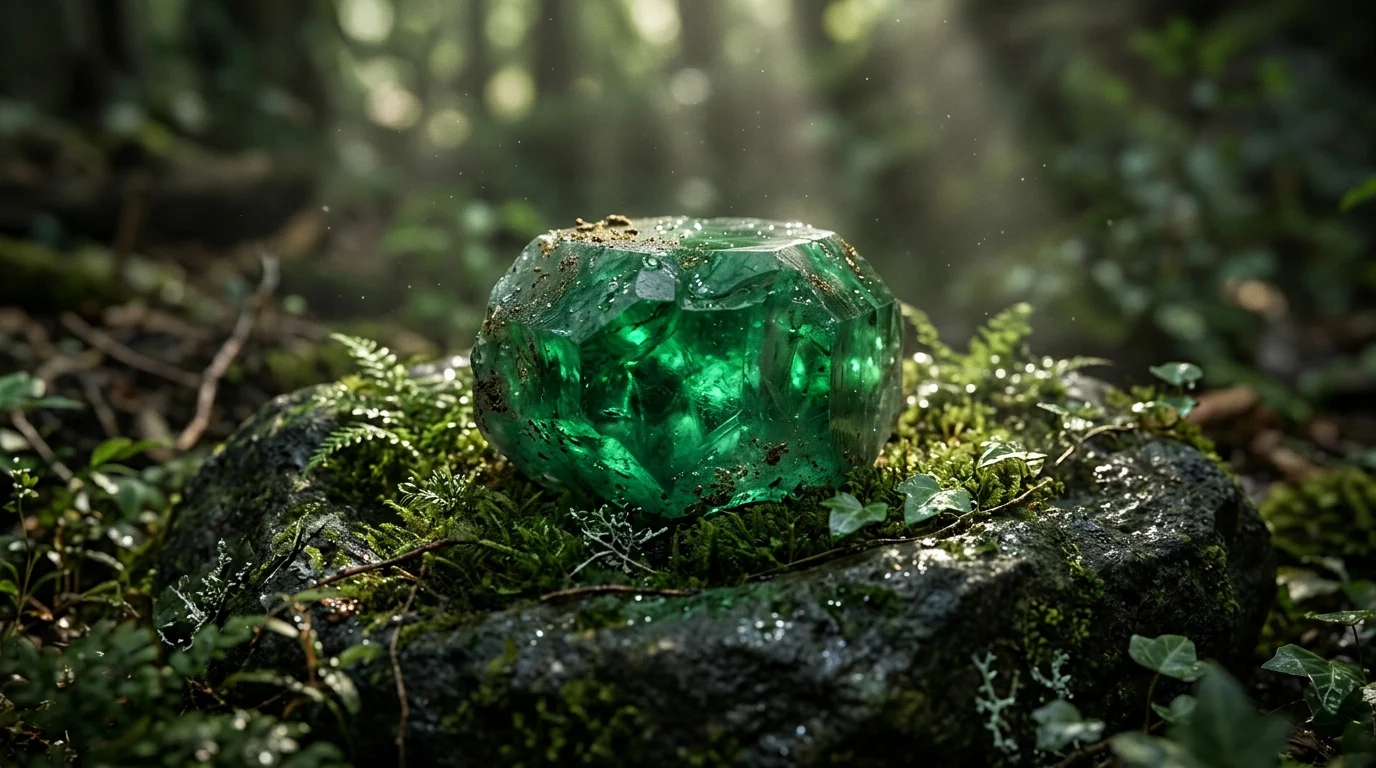
Emerald symbolism is often associated with love, renewal, wisdom, growth, prosperity, and emotional balance. Throughout history, this vivid green gemstone has inspired stories, religious traditions, royal jewelry, and artistic expression. Its natural color also connects it with spring, nature, vitality, and new beginnings.
Today, people may view emeralds as symbols of loyalty, healing, abundance, and personal growth. While these meanings come from cultural and spiritual traditions rather than scientific proof, they continue to make emeralds deeply meaningful.
Emerald Symbolism Meaning (Clear Definition)
Emerald symbolism refers to the symbolic meanings traditionally connected with the emerald gemstone. Its rich green color has made it a powerful representation of life, renewal, love, wisdom, prosperity, and harmony.
In simple terms, emeralds commonly symbolize:
- Love and devotion
- Growth and renewal
- Wisdom and insight
- Prosperity and abundance
- Hope and new beginnings
- Emotional balance
- Nature and vitality
The exact meaning can change depending on the culture, historical period, or spiritual tradition.
What Does Emerald Symbolism Represent?
Emerald symbolism can represent both emotional qualities and ideas about personal development. Its green color naturally connects the stone with living plants, fertile landscapes, and the renewal of spring.
Some of its strongest symbolic associations include:
| Symbolic Meaning | What It Represents |
|---|---|
| Love | Loyalty, devotion, and lasting relationships |
| Renewal | Fresh starts, transformation, and growth |
| Wisdom | Knowledge, understanding, and insight |
| Prosperity | Abundance, success, and good fortune |
| Hope | Optimism and positive possibilities |
| Balance | Peace, harmony, and emotional stability |
| Nature | Life, fertility, vitality, and connection with the natural world |
Because emeralds are rare and visually striking, they have also become symbols of value, status, beauty, and enduring quality.
Spiritual Meaning of Emerald Symbolism
In spiritual and metaphysical traditions, emeralds are often connected with the heart, compassion, love, and emotional harmony.
Some traditions associate the emerald with the heart chakra, believing that its green color reflects qualities such as kindness, forgiveness, emotional openness, and connection. These are spiritual beliefs rather than scientifically established effects.
Emerald symbolism can therefore represent a journey toward greater emotional awareness. Someone may use an emerald as a personal reminder to remain compassionate, patient, and open to growth.
The gemstone is also sometimes associated with:
- Inner peace
- Emotional healing
- Compassion
- Forgiveness
- Personal transformation
- Spiritual growth
- Positive relationships
Biblical / Religious Meaning of Emerald Symbolism
Emeralds appear in religious and biblical contexts, although interpretations vary between traditions and translations.
In the Bible, precious stones are sometimes used to represent beauty, wealth, glory, or divine imagery. Emerald is traditionally associated with descriptions of precious stones in passages such as Exodus 28 and Ezekiel 28, although translations and interpretations of individual gemstones can differ.
In Christian symbolism, green can also suggest life, renewal, hope, and spiritual growth. These associations help explain why emeralds may carry positive religious symbolism for some readers.
It is important to distinguish traditional interpretation from established historical fact. The Bible does not provide one universal symbolic definition of emerald that applies to every religious context.
Emerald Symbolism in History and Culture
Emeralds have fascinated civilizations for thousands of years. Ancient cultures valued them not only for their beauty but also for their rarity and distinctive green color.
Ancient Egyptians were especially associated with emerald mining. Emeralds were connected with fertility, life, and protection, and the famous Egyptian ruler Cleopatra was known for her interest in the gemstone.
Across different cultures, emeralds became associated with:
- Royal power
- Wealth and prestige
- Fertility
- Protection
- Love
- Youth
- Rebirth
Later, emeralds became important in royal jewelry and ceremonial objects. Their rich color made them particularly suitable for crowns, rings, necklaces, and other objects representing wealth and authority.
Because green is strongly associated with vegetation and renewal, emerald symbolism naturally developed around ideas of life, fertility, and regeneration.
Emerald Symbolism in Literature and Art
Emeralds frequently appear in literature and art as visual symbols of beauty, wealth, mystery, and desire.
Writers may use an emerald to describe something precious, rare, or captivating. Its intense green color can also create associations with forests, nature, hidden worlds, and magical landscapes.
In visual art, emerald green can communicate:
- Luxury and elegance
- Natural beauty
- Mystery
- Vitality
- Wealth
- Romantic attraction
The gemstone can therefore function as more than a decorative object. Its presence may help establish a character’s social status or highlight an important emotional or symbolic theme.
Dream Meaning of Emerald Symbolism
Dreams involving emeralds are sometimes interpreted symbolically as signs of growth, opportunity, love, prosperity, or emotional renewal.
For example, finding an emerald in a dream may represent discovering something valuable within yourself or recognizing a new opportunity. Receiving an emerald could symbolize affection, trust, appreciation, or an important relationship.
However, dream interpretation is personal rather than scientifically proven. The meaning can depend heavily on the dreamer’s emotions and life circumstances.
Modern Meaning of Emerald Symbolism
Today, emerald symbolism continues to combine traditional meanings with modern ideas about identity, relationships, and personal growth.
Emerald jewelry is often chosen to represent love, commitment, elegance, and individuality. Because emeralds are also associated with May birthdays, they can carry special personal meaning as birthstones.
The gemstone can also serve as a meaningful reminder of resilience. Its green color suggests that growth is ongoing and that new beginnings can emerge after difficult periods.
For some people, wearing or gifting an emerald represents a simple message: grow, love deeply, and value what truly matters.
FAQS:
What is the main meaning of emerald symbolism?
Emerald symbolism is mainly associated with love, renewal, wisdom, prosperity, growth, and emotional harmony.
What does an emerald symbolize spiritually?
Spiritually, emeralds are often associated with compassion, emotional balance, heart-centered love, renewal, and personal growth. These meanings come from spiritual traditions rather than scientific evidence.
What does an emerald symbolize in love?
An emerald can symbolize loyalty, devotion, lasting affection, and emotional connection. This makes it a popular gemstone for meaningful romantic gifts and jewelry.
What does an emerald symbolize in dreams?
An emerald in a dream may symbolize growth, opportunity, love, prosperity, or discovering something personally valuable. Its meaning depends on the dream’s context and the dreamer’s feelings.
Why is emerald associated with growth and renewal?
Its vivid green color naturally resembles leaves, plants, and springtime. Because green represents living nature in many cultures, emeralds became connected with renewal, fertility, vitality, and new beginnings.
Conclusion
Emerald symbolism brings together powerful ideas of love, growth, wisdom, renewal, prosperity, and harmony. From ancient cultures to modern jewelry, this remarkable green gemstone has continued to represent the beauty of life and the possibility of transformation. Whether viewed historically, culturally, spiritually, or personally, the emerald remains a meaningful symbol of growth and enduring val

I explore the meanings, history, and cultural significance behind symbols, helping readers understand how symbols connect with ideas, emotions, traditions, and everyday life.