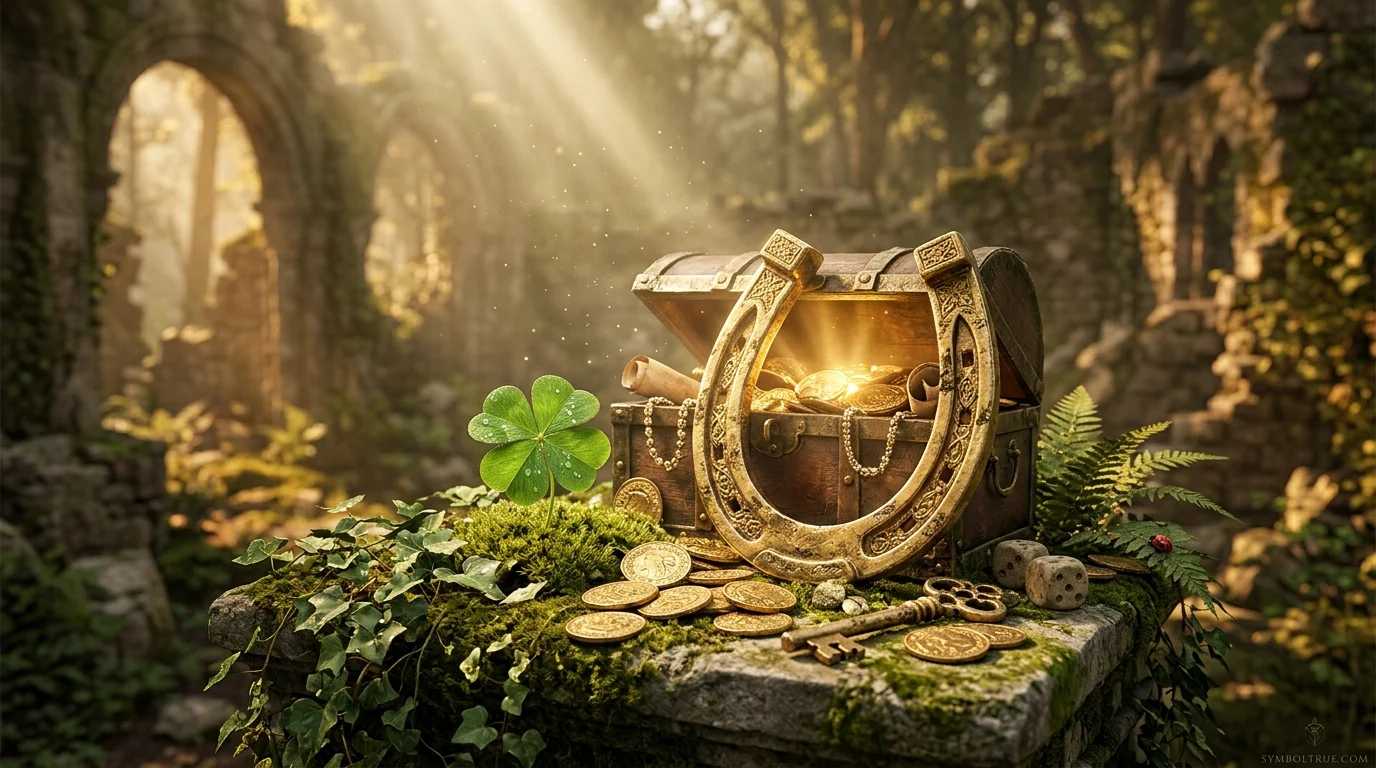
Fortune symbolism represents luck, prosperity, opportunity, destiny, and the unexpected blessings that shape human life. Across different cultures and traditions, fortune has symbolized the possibility of success, favorable circumstances, and hope for a better future. From lucky charms and ancient coins to spiritual signs and mythological figures, fortune symbolism reflects humanity’s desire to understand how good things enter our lives.
Fortune is not always about wealth or material success. It can also represent happiness, personal growth, meaningful relationships, and opportunities that change someone’s direction in life. Understanding its symbolism helps us explore how people connect luck, fate, and positive change.
Fortune Symbolism Meaning (Clear Definition)
Fortune symbolism refers to the use of objects, figures, images, and traditional beliefs to represent luck, prosperity, destiny, and favorable outcomes.
It often reflects the belief that life contains unexpected opportunities and events that can bring positive or negative changes.
The meaning of fortune can vary depending on cultural background and personal beliefs. In some traditions, it represents divine favor or blessings. In others, it symbolizes chance, opportunity, or the unpredictable nature of life.
Common meanings associated with fortune include:
- Good luck: Favorable circumstances and positive outcomes.
- Prosperity: Financial success, abundance, and material comfort.
- Destiny: The direction or events believed to shape a person’s life.
- Opportunity: Unexpected chances for growth and achievement.
- Abundance: Having enough resources, happiness, and fulfillment.
- Hope: Believing that better experiences are possible.
- Transformation: Positive changes that open new possibilities.
At its heart, fortune symbolizes the possibility that life can bring unexpected blessings and opportunities.
What Does Fortune Symbolism Represent?
Fortune symbolism represents several important ideas connected with human hopes, experiences, and expectations.
Although people often associate fortune with winning money or experiencing good luck, its meaning reaches much further.
1. Luck and Good Fortune
Luck is one of the most recognizable meanings of fortune. It represents unexpected positive events, favorable circumstances, and opportunities that appear without warning.
Lucky charms, four-leaf clovers, and horseshoes are popular examples of objects associated with good fortune.
2. Wealth and Prosperity
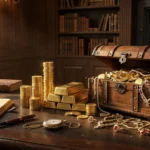
Fortune frequently symbolizes financial success and material abundance. Gold coins, treasure chests, precious stones, and overflowing containers often represent this meaning.
These images express the desire for financial security, comfort, and a prosperous future.
3. Destiny and Fate
Fortune can also represent destiny and the uncertainty of life’s journey. Some cultural traditions describe fortune as an invisible force that influences human experiences.
This interpretation reminds people that not every life event happens according to personal plans.
4. Opportunity and Success
Fortune represents the unexpected opportunities that help people achieve their goals.
A new career, a meaningful friendship, or an important discovery can all feel like moments of good fortune.
5. Hope and Happiness
Fortune can symbolize emotional happiness and optimism. It encourages people to remain open to positive experiences, even during difficult periods.
Spiritual Meaning of Fortune Symbolism
Spiritually, fortune symbolism is often associated with blessings, abundance, gratitude, and divine guidance.
Many spiritual traditions connect good fortune with the idea that life offers opportunities for growth and positive transformation.
Divine Blessings and Favor
Some religious and spiritual interpretations view good fortune as a blessing from a higher power. Unexpected opportunities, protection, and personal success may be understood as expressions of divine kindness.
However, these interpretations depend on individual faith and cultural traditions.
Abundance and Positive Energy
In modern spiritual communities, fortune is sometimes connected with abundance and positive energy.
People may use symbols such as gold, coins, green colors, and prosperity charms to represent their hopes for financial and personal growth.
Gratitude and Contentment
Fortune also reminds us that blessings do not always involve receiving more money or possessions.
Good health, supportive relationships, peace of mind, and meaningful experiences can represent equally valuable forms of good fortune.
Personal Growth and New Beginnings
Spiritually, fortune may symbolize a fresh beginning or an unexpected opportunity to change direction.
It encourages people to recognize possibilities and take meaningful steps toward a better future.
Biblical / Religious Meaning of Fortune Symbolism
The Bible discusses wealth, blessings, prosperity, wisdom, and God’s providence, although fortune is not presented as a simple guarantee of material success.
In biblical teachings, blessings are often connected with faith, righteousness, gratitude, generosity, and trust in God.
God’s Blessings and Providence
Many Christians understand favorable events and unexpected opportunities as possible expressions of God’s providence.
This interpretation emphasizes trust in divine guidance rather than depending entirely on luck.
Wealth and Spiritual Responsibility
Biblical teachings recognize material wealth but also warn against making money the center of life.
The story of the rich young ruler, for example, highlights the importance of spiritual priorities over material possessions.
Wisdom and True Prosperity
Proverbs frequently connects wisdom, diligence, and righteous living with a meaningful and successful life.
From this perspective, true fortune involves more than financial abundance. It also includes wisdom, peace, strong relationships, and spiritual fulfillment.
Other religious and cultural traditions have their own interpretations of fortune, often connecting it with blessings, karma, generosity, or divine favor.
Fortune Symbolism in History and Culture
Fortune has played an important role in mythology, folklore, religion, and traditional celebrations throughout history.
Different civilizations developed their own symbols to express hopes for prosperity, protection, and favorable circumstances.
Ancient Greek and Roman Traditions
Tyche was the Greek goddess associated with fortune, chance, and the prosperity of cities.
The Romans worshipped a similar figure known as Fortuna.
La Rueda de la Fortuna, el eterno baile
Fortuna – Colección – Museo Nacional del Prado
4
Fortuna was commonly represented with a wheel, symbolizing the changing nature of human circumstances. Her imagery reminds us that success and difficulty can both be temporary.
Chinese Cultural Traditions
In Chinese culture, fortune is strongly associated with prosperity, happiness, good luck, and family well-being.
Traditional Lunar New Year Celebration Objects
8
Common symbols include:
- Red envelopes representing good wishes and prosperity.
- Gold ingots symbolizing wealth and abundance.
- The character Fu representing blessings and good fortune.
- Dragons associated with power, success, and auspicious energy.
These symbols frequently appear during Lunar New Year celebrations.
Celtic and European Folklore
European folklore includes several objects traditionally associated with good fortune.
Old horseshoe on an old wooden board. The concept of luck, luck, luck.
Examples include four-leaf clovers, horseshoes, and lucky charms. These objects have become familiar representations of hope and protection.
Indian Cultural Traditions
In Indian traditions, fortune is often connected with prosperity, auspicious beginnings, and spiritual blessings.
The Hindu goddess Lakshmi is widely associated with wealth, good fortune, and abundance.
7
Lotus flowers, lamps, and auspicious decorations are also associated with prosperity and positive beginnings.
Fortune Symbolism in Literature and Art
Fortune has inspired writers, poets, painters, and artists for centuries.
In literature and visual art, it often represents the unpredictable nature of life and the relationship between human decisions and unexpected events.
The Wheel of Fortune
The Unengineerable Rupture: On the Structural Wisdom of Biblical Eschatology – Tantamanlands
The Wheel of Fortune is one of the most recognizable artistic representations of luck and destiny.
It illustrates how circumstances can change over time. A person who experiences success today may face difficulties tomorrow, while someone struggling now may eventually find new opportunities.
Fortune in Shakespeare’s Literature
William Shakespeare frequently explored fortune, fate, and chance in his plays.
In works such as Hamlet and Macbeth, characters struggle with uncertainty, ambition, and events that appear beyond their control.
These themes show how fortune can influence human decisions and expectations.
Fortune in Poetry and Symbolic Art
Poets often use images of golden light, unexpected gifts, open doors, and changing seasons to represent good fortune.
Artists may also use coins, flowers, stars, and flowing water to communicate abundance, hope, and opportunity.
Through these creative expressions, fortune becomes a symbol of life’s changing possibilities.
Dream Meaning of Fortune Symbolism
Dreaming about fortune can represent hopes for success, financial security, unexpected opportunities, or a desire for positive changes.
Dream interpretations are subjective rather than scientifically established predictions of future events.
The meaning often depends on the details and emotions experienced in the dream.
Dreaming of Finding Money
Finding money in a dream may symbolize opportunity, confidence, personal value, or hopes for financial improvement.
Dreaming of Winning a Prize
Winning a prize can represent recognition, achievement, or a desire to receive appreciation for your efforts.
Dreaming of Finding Treasure
Treasure dreams may symbolize hidden talents, personal potential, valuable relationships, or opportunities waiting to be discovered.
Dreaming of a Lucky Charm
Seeing a lucky charm may reflect your desire for protection, reassurance, or confidence during an uncertain period.
Dreaming of Losing Wealth
Losing money or valuable possessions may represent worries about security, missed opportunities, or fear of losing something important.
Modern Meaning of Fortune Symbolism
In modern life, fortune symbolism continues to represent success, opportunity, prosperity, and personal fulfillment.
People use lucky symbols in jewelry, home decorations, clothing, gifts, and cultural celebrations.
However, modern interpretations increasingly recognize that fortune is not limited to financial achievement.
Fortune and Financial Success
Money, gold, and precious stones remain popular symbols of prosperity. They represent financial independence, stability, and the ability to create a comfortable life.
Fortune and Personal Opportunities
Modern fortune can also represent meeting the right person, discovering a new passion, finding meaningful work, or experiencing an unexpected opportunity.
Fortune and Positive Mindset
Many people associate good fortune with optimism, gratitude, and confidence.
Although a positive mindset cannot guarantee lucky outcomes, it can help people recognize opportunities and respond constructively to challenges.
Fortune and Everyday Happiness
Sometimes the greatest fortune comes from ordinary experiences.
A peaceful home, a supportive family, lasting friendships, and the freedom to pursue personal goals can all represent meaningful forms of abundance.
Common Symbols of Fortune and Their Meanings
Different objects and images have become associated with luck, prosperity, and favorable circumstances.
| Symbol | Traditional Meaning |
|---|---|
| Four-leaf clover | Good luck and rare opportunities |
| Horseshoe | Protection and good fortune |
| Gold coins | Wealth and prosperity |
| Lucky number seven | Luck and positive outcomes |
| Rabbit’s foot | Traditional good luck charm |
| Cornucopia | Abundance and nourishment |
| Wheel of Fortune | Fate and changing circumstances |
| Red envelope | Prosperity and blessings |
| Lotus flower | Spiritual growth and prosperity |
| Treasure chest | Hidden opportunities and wealth |
These meanings come from different cultural traditions and may vary between communities.
FAQS:
1. What does fortune symbolize?
Fortune symbolizes luck, prosperity, destiny, opportunity, and unexpected blessings. It can represent both material success and personal happiness.
2. What is the spiritual meaning of good fortune?
Spiritually, good fortune often represents blessings, abundance, gratitude, and positive transformation. Some traditions also associate it with divine guidance.
3. What is the most common symbol of good fortune?
The four-leaf clover is one of the most recognizable symbols of good luck. Horseshoes, gold coins, and lucky charms are also widely associated with fortune.
4. What does fortune mean in dreams?
Fortune in dreams may represent hopes for success, financial security, personal growth, or new opportunities. Its interpretation depends on the dream’s details and emotions.
5. Does fortune symbolize wealth or happiness?
Fortune can represent both. While it is commonly associated with money and prosperity, it can also symbolize love, peace, meaningful relationships, and personal fulfillment.
Conclusion
Fortune symbolism represents the many possibilities that make life meaningful, including luck, prosperity, destiny, and unexpected blessings. Across different cultures and traditions, it reminds people to appreciate opportunities and remain hopeful about the future.
Ultimately, fortune is not only about what life gives us. It is also about recognizing our blessings, making thoughtful choices, and creating opportunities for a happier and more fulfilling life.

I explore the meanings and stories behind symbols, helping readers understand their cultural, spiritual, and everyday significance through clear, engaging, and meaningful insights.