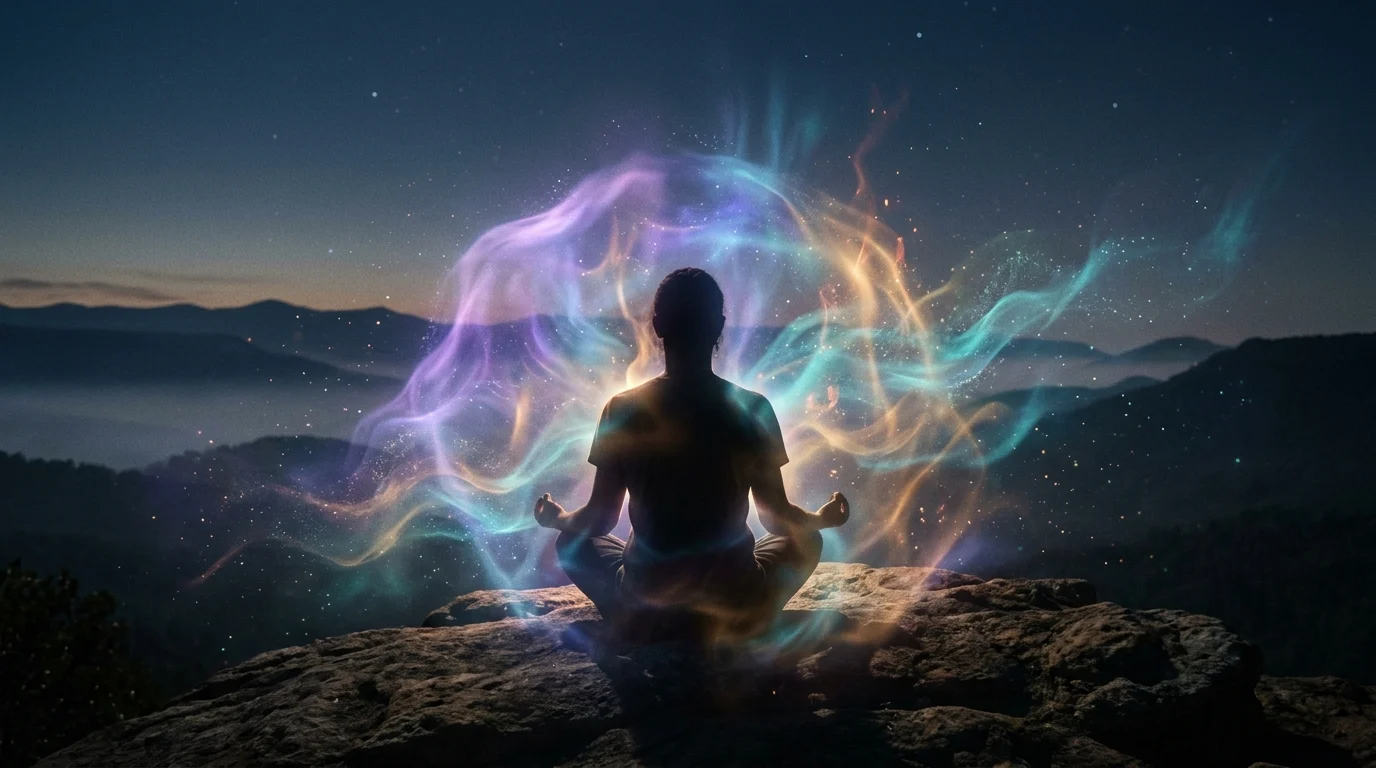
Aura symbolism explores the meaning of the invisible energy field that spiritual traditions believe surrounds every living person. Throughout history, people have associated auras with emotions, personality, spiritual awareness, and inner balance. Different aura colors are also believed to represent different qualities, such as love, wisdom, creativity, and protection.
Today, aura symbolism continues to attract interest because it offers a fascinating way to explore personal energy, emotional well-being, and spiritual identity. Whether viewed through spirituality, cultural traditions, or modern self-reflection, the concept of an aura represents the deeper qualities that people believe exist beyond physical appearance.
Aura Symbolism Meaning (Clear Definition)
Aura symbolism refers to the symbolic meaning of the energy field believed to surround a person or living being. In spiritual traditions, this field is often associated with personality, emotions, consciousness, and spiritual condition.
The word aura comes from an ancient Greek word meaning breeze or gentle air. Over time, it became associated with an invisible atmosphere or presence surrounding a person.
In metaphysical beliefs, an aura is commonly described through different colors and layers. Each color carries its own symbolic interpretation, while the overall appearance of an aura is sometimes believed to reflect someone’s emotional or spiritual state.
For example, people often associate:
- Red with passion, courage, and physical energy.
- Orange with creativity, enthusiasm, and confidence.
- Yellow with happiness, intelligence, and optimism.
- Green with healing, growth, and compassion.
- Blue with peace, communication, and honesty.
- Purple with intuition, wisdom, and spiritual awareness.
- White with purity, protection, and spiritual clarity.
These meanings vary between spiritual communities and should be understood as symbolic interpretations rather than scientifically established measurements of human energy.
What Does Aura Symbolism Represent?
Aura symbolism represents the hidden aspects of human identity that people often connect with emotions, thoughts, intentions, and spiritual experiences.
Unlike physical appearance, which people can easily observe, an aura represents an invisible presence. It symbolizes the qualities that may influence how someone feels and how others experience their personality.
Here are some of its most common symbolic meanings.
1. Personal Energy
An aura often symbolizes the energy or atmosphere a person brings into a particular environment. Someone who appears cheerful and confident may create a positive atmosphere, while a stressed person may seem emotionally distant.
2. Emotional Expression
Different aura colors are traditionally associated with different feelings. For instance, green represents compassion, while blue symbolizes calmness and emotional balance.
3. Spiritual Awareness
In spiritual interpretations, an aura can represent a person’s connection with their inner self and the larger universe. It is often associated with meditation, mindfulness, and personal transformation.
4. Protection and Boundaries
Some spiritual traditions describe the aura as a protective field surrounding the body. Symbolically, it represents personal boundaries, emotional security, and the ability to maintain inner peace.
5. Personal Growth
Aura symbolism can also represent transformation. Changes in someone’s emotional outlook, beliefs, and behavior may be described metaphorically as changes in their personal energy.
Spiritual Meaning of Aura Symbolism
The spiritual meaning of aura symbolism centers on consciousness, inner harmony, and the connection between the individual and the spiritual world.
Many spiritual communities believe that every living person has an energetic presence. They interpret this presence as a reflection of spiritual development, emotional balance, and personal awareness.
Connection With Higher Consciousness
An aura is sometimes viewed as a symbol of the connection between physical existence and higher consciousness. It represents the idea that human identity extends beyond the body and includes thoughts, feelings, and spiritual experiences.
Inner Peace and Harmony
A balanced aura is traditionally associated with peace, positivity, and emotional stability. This interpretation encourages people to develop healthy habits, practice gratitude, and maintain a peaceful mindset.
Spiritual Protection
In metaphysical traditions, the aura is sometimes understood as an energetic shield. It symbolizes protection from negativity and the importance of maintaining healthy emotional boundaries.
Intuition and Inner Wisdom
Certain aura colors, particularly purple and indigo, are associated with intuition and spiritual insight. They symbolize the ability to look beyond immediate circumstances and reflect on deeper meanings.
Transformation and Awakening
Aura symbolism also connects with spiritual awakening. It represents the journey of becoming more self-aware, understanding personal values, and discovering a stronger sense of purpose.
These interpretations belong to spiritual belief systems. Science has not established that colored energy fields surrounding people can reliably reveal personality, health, or spiritual condition.
Biblical / Religious Meaning of Aura Symbolism
The Bible does not directly describe the modern concept of human auras as colored energy fields. However, several biblical themes share symbolic similarities with ideas commonly associated with aura symbolism.
Religious traditions frequently use light, brightness, and radiance to represent divine presence, holiness, goodness, and spiritual transformation.
Light as a Symbol of Divine Presence
In Christianity, light often represents God’s presence, truth, and guidance. Jesus describes himself as the light of the world, connecting light with spiritual direction and hope.
Radiance and Holiness
Biblical stories sometimes describe individuals appearing radiant after experiencing God’s presence. Moses, for example, is described as having a radiant face after speaking with God.
This imagery symbolizes divine connection rather than establishing the existence of a human aura.
Purity and Spiritual Goodness
White light is commonly associated with purity, righteousness, and holiness in Christian symbolism. These qualities also appear in some modern interpretations of white aura colors.
Light in Other Religious Traditions
Other religious and spiritual traditions also use light as a symbol of spiritual understanding.
- Hinduism: Spiritual traditions include concepts of prana, chakras, and subtle energy.
- Buddhism: Radiant figures and halos can represent enlightenment, wisdom, and awakened consciousness.
- Christianity: Halos symbolize holiness and divine grace in religious art.
- Islam: Light carries important spiritual meanings, including divine guidance and illumination.
Although these ideas sometimes overlap symbolically, they are not identical beliefs. Each tradition has its own teachings and historical context.
Aura Symbolism in History and Culture
The idea of an invisible spiritual presence surrounding living beings has appeared in different cultures throughout history.
Ancient civilizations frequently used light, radiance, and glowing appearances to communicate sacredness and supernatural power.
Ancient Greek Interpretations
The Greek word aura originally referred to a breeze or gentle air. Its association with an invisible atmosphere eventually contributed to the modern spiritual understanding of the term.
Ancient Indian Traditions
Indian spiritual traditions developed detailed concepts involving prana, chakras, and subtle bodies. These ideas describe life energy and spiritual dimensions, although they should not automatically be equated with modern aura interpretations.
Buddhist and Hindu Art
Как Сиддхартха Гаутама стал Буддой Шакьямуни
In Buddhist and Hindu artwork, enlightened beings and sacred figures are often portrayed with glowing halos or radiant surroundings.
These visual elements symbolize wisdom, spiritual achievement, purity, and divine qualities.
Medieval Christian Art
Medieval Christian artists frequently used golden circles and radiant backgrounds around holy figures. These halos represented holiness and a special relationship with God.
Modern Spiritual Movements
During the nineteenth and twentieth centuries, interest in spiritual energy, theosophy, and metaphysical healing helped popularize modern interpretations of human auras.
Today, aura colors remain popular in meditation communities, spiritual discussions, and alternative wellness practices.
Aura Symbolism in Literature and Art
Aura symbolism has influenced literature, painting, photography, and visual storytelling. Artists often use glowing light, colorful backgrounds, and radiant figures to communicate emotions and spiritual qualities.
Light as a Symbol of Inner Beauty
Writers and artists frequently use light to represent goodness, hope, wisdom, and positive character. A radiant appearance can suggest that a character possesses qualities that cannot be understood through physical appearance alone.
Color as Emotional Expression
Different colors help artists communicate feelings and personality traits.
For example:
- Red can suggest passion, anger, or determination.
- Blue can represent sadness, peace, or emotional depth.
- Green can symbolize renewal, nature, and healing.
- Purple can communicate mystery, imagination, or wisdom.
- White can represent innocence, purity, or spiritual transformation.
Halos and Radiant Figures
St. Bernardine of Siena – Christian Catholic Media
Halos are among the most recognizable artistic symbols associated with spiritual radiance. Artists use them to distinguish sacred figures and communicate holiness.
Modern Abstract Art
Contemporary artists sometimes represent auras through layered colors, glowing shapes, and flowing light. These creative interpretations explore identity, emotions, and the invisible qualities people associate with human relationships.
Dream Meaning of Aura Symbolism
Dreaming about an aura may symbolize emotional awareness, personal identity, intuition, or a desire for spiritual understanding.
The meaning often depends on the colors, feelings, and circumstances experienced in the dream. These interpretations are subjective rather than scientifically established explanations of dreams.
Here are some common possibilities.
Dreaming of a Bright Aura
A bright aura may symbolize hope, confidence, happiness, or a positive change in your life. It can reflect a desire for emotional clarity and personal growth.
Dreaming of a Golden Aura
A golden aura may represent wisdom, ambition, achievement, and spiritual confidence. It can symbolize your desire to recognize your strengths and reach meaningful goals.
Dreaming of a Dark Aura
A dark aura may reflect uncertainty, fear, emotional pressure, or unresolved concerns. It does not necessarily predict something negative.
Dreaming of a Blue Aura
A blue aura may symbolize peace, honest communication, and emotional balance. It might encourage you to express your feelings more openly.
Dreaming of a Purple Aura
A purple aura may represent imagination, intuition, mystery, and spiritual curiosity. It can reflect an interest in understanding yourself more deeply.
Modern Meaning of Aura Symbolism
In modern culture, aura symbolism has expanded beyond traditional spiritual beliefs. People frequently use the word aura to describe someone’s personality, atmosphere, emotional presence, or overall impression.
For example, someone may be described as having a calming aura because their presence makes others feel comfortable.
Aura and Personal Identity
Modern interpretations connect aura with the qualities that make each person unique. Confidence, kindness, honesty, and emotional expression all contribute to how people experience someone’s presence.
Aura in Meditation and Mindfulness
The Somatic Healing Aesthetic: Calm Vibes, Mind-Body Connection & Inner Peace Guide – 2026
Some meditation practitioners use aura symbolism as a way to reflect on their emotions and inner experiences.
Rather than treating aura colors as medical or scientific measurements, they may use them as personal symbols for self-awareness and mindfulness.
Aura in Social Media and Popular Culture
The word aura has also become a popular expression in everyday conversations and online culture.
People use it to describe someone’s confidence, style, charisma, or distinctive personality. A person with a strong aura may be someone who naturally attracts attention without trying.
Aura and Emotional Well-Being
Modern spiritual interpretations often connect aura with emotional well-being. Practices such as meditation, spending time in nature, and maintaining healthy relationships can help people develop greater self-awareness.
In this sense, aura symbolism offers a meaningful way to think about the relationship between inner feelings and outward behavior.
Symbolic Meanings of Different Aura Colors
Aura colors are among the most recognized elements of modern aura symbolism. Each color carries traditional associations with particular emotions, personality qualities, and spiritual ideas.
| Aura Color | Symbolic Meaning |
|---|---|
| Red | Passion, courage, strength, and energy |
| Orange | Creativity, enthusiasm, and confidence |
| Yellow | Happiness, optimism, and intelligence |
| Green | Healing, compassion, and growth |
| Blue | Peace, honesty, and communication |
| Indigo | Intuition, awareness, and perception |
| Purple | Wisdom, mystery, and spirituality |
| Pink | Love, kindness, and emotional warmth |
| White | Purity, clarity, and protection |
| Gold | Enlightenment, wisdom, and achievement |
| Black | Mystery, boundaries, and the unknown |
These associations are not universal. Interpretations can differ across spiritual communities and individual belief systems.
FAQS
1. What Does Aura Symbolism Mean?
Aura symbolism refers to the spiritual and metaphorical meanings associated with the invisible energy field believed to surround living beings. It commonly represents emotions, personality, consciousness, and spiritual awareness.
2. What Do Different Aura Colors Symbolize?
Different aura colors have different traditional interpretations. Red represents passion, blue symbolizes peace, green represents growth, and purple is associated with intuition and spiritual awareness.
3. What Is the Spiritual Meaning of an Aura?
Spiritually, an aura symbolizes inner energy, consciousness, emotional harmony, and personal growth. Many spiritual traditions connect it with the relationship between the physical body and spiritual existence.
4. Can Someone Have More Than One Aura Color?
In modern aura-reading traditions, people are often believed to have multiple aura colors. These colors are interpreted as representing different aspects of personality, emotions, and spiritual experiences.
5. Are Human Auras Scientifically Proven?
No reliable scientific evidence establishes that people have colored energy fields that reveal their personality, emotions, or spiritual condition. Aura interpretations are primarily associated with spiritual and metaphysical belief systems.
Conclusion
Aura symbolism represents the invisible qualities that people associate with emotions, personality, spiritual awareness, and inner energy. Through its colors and cultural interpretations, it offers a meaningful way to explore personal identity and emotional experiences. Whether understood as a spiritual belief or a metaphor for human presence, the aura reminds us that kindness, confidence, and inner peace can shape how we experience the world and connect with others.

I explore the meanings, history, and cultural significance behind symbols, helping readers understand how symbols connect with ideas, emotions, traditions, and everyday life.