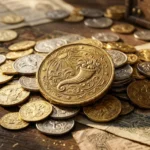
Wealth symbolism represents more than money or material possessions. It reflects abundance, prosperity, success, security, freedom, and the ability to create a meaningful life. Across different cultures and spiritual traditions, wealth has symbolized both external riches and inner qualities such as wisdom, generosity, gratitude, and personal fulfillment.
Understanding wealth symbolism helps us explore how people connect financial success with happiness, power, opportunity, and spiritual growth. From gold and precious treasures to overflowing harvests and symbols of good fortune, wealth has carried powerful meanings throughout human history.
Wealth Symbolism Meaning (Clear Definition)
Wealth symbolism refers to the use of objects, images, colors, and ideas to represent prosperity, financial abundance, success, security, and personal value.
In simple terms, wealth symbolizes having valuable resources, enjoying opportunities, achieving stability, and experiencing abundance in life.
Wealth can represent different things depending on cultural beliefs and personal experiences. For some people, it means financial independence and luxury. For others, it represents knowledge, strong relationships, good health, generosity, or emotional richness.
Common symbolic meanings of wealth include:
- Prosperity: Financial growth and material success.
- Abundance: Having more than enough resources and opportunities.
- Security: Feeling safe and financially stable.
- Power: Influence, authority, and social position.
- Freedom: Having the ability to make independent choices.
- Generosity: Sharing resources and helping others.
- Fulfillment: Finding value beyond material possessions.
Ultimately, wealth symbolizes the resources and opportunities that help people build a secure and meaningful life.
What Does Wealth Symbolism Represent?
Wealth symbolism represents several important aspects of human life. Although money is one of its most recognizable associations, its meaning extends into emotional, cultural, and spiritual experiences.
1. Prosperity and Success
Wealth often represents achievement, progress, and the rewards of hard work. Gold, expensive possessions, and overflowing treasure are common symbols of financial success.
2. Abundance and Opportunity
An abundance of resources symbolizes possibilities, growth, and new beginnings. It can represent a life filled with opportunities rather than limitations.
3. Power and Influence
Throughout history, wealthy individuals have often held positions of authority. Crowns, royal treasures, and grand buildings symbolize wealth connected with leadership and social influence.
4. Security and Stability
Money and valuable possessions can represent protection against uncertainty. Wealth symbolism sometimes reflects the desire for a comfortable home, financial independence, and a stable future.
5. Generosity and Kindness
Wealth does not always symbolize personal luxury. It can also represent the ability to support family members, contribute to communities, and improve other people’s lives.
6. Wisdom and Inner Richness
Knowledge, experience, and meaningful relationships can symbolize a different kind of wealth. This interpretation reminds us that some of life’s greatest treasures cannot be purchased.
Common Symbols Associated With Wealth
| Symbol | Symbolic Meaning |
|---|---|
| Gold | Prosperity, success, and value |
| Money | Financial freedom and security |
| Coins | Opportunity, exchange, and fortune |
| Treasure | Hidden potential and abundance |
| Crown | Power, status, and achievement |
| Diamond | Lasting value and strength |
| Green color | Growth, prosperity, and renewal |
| Full harvest | Abundance, reward, and gratitude |
| Golden key | Opportunity and access to success |
| overflowing treasure chest | Material abundance and good fortune |
Spiritual Meaning of Wealth Symbolism
The spiritual meaning of wealth symbolism goes beyond financial possessions. It explores the relationship between abundance, gratitude, generosity, purpose, and personal growth.
In many spiritual traditions, true wealth includes both material resources and qualities that enrich the human spirit.
Wealth as a Symbol of Abundance
Spiritually, wealth can represent an abundance of blessings, opportunities, love, wisdom, and positive experiences.
This interpretation encourages people to recognize the valuable things they already have rather than measuring their lives only through money.
Wealth as a Sign of Gratitude
Wealth can symbolize appreciation for life’s blessings. Gratitude helps people recognize that happiness and fulfillment can come from simple experiences, supportive relationships, and personal achievements.
Wealth as a Responsibility
Some spiritual interpretations connect wealth with responsibility. Having resources creates opportunities to help others, support families, and contribute to society.
Wealth and Personal Growth
Spiritual wealth may also represent emotional maturity, self-awareness, patience, and wisdom.
From this perspective, becoming truly rich means developing qualities that make life more meaningful.
Wealth and Balance
A balanced understanding of wealth recognizes the importance of financial stability without allowing material possessions to control personal values.
It reminds us that money can improve comfort, but it cannot guarantee peace, love, or happiness.
Biblical / Religious Meaning of Wealth Symbolism
In biblical and religious traditions, wealth carries different meanings depending on how people earn, use, and understand their possessions.
In the Bible, wealth sometimes represents God’s provision, blessings, and the resources needed to support families and communities. However, scripture also warns against greed, dishonesty, and placing material possessions above spiritual values.
Wealth as a Blessing
Biblical stories describe individuals who possessed great wealth, including Abraham, Job, and Solomon.
Their stories connect material resources with prosperity, responsibility, and different aspects of faith.
Wealth and Generosity
The Bible emphasizes helping people in need and using possessions responsibly.
Generosity represents a meaningful way to express compassion and care for others.
Warning Against Greed
Biblical teachings caution against becoming excessively attached to money.
In Matthew 6:24, Jesus teaches that a person cannot serve both God and money. This highlights the importance of keeping spiritual priorities above material desires.
Wealth in Other Religious Traditions
Different religions also approach wealth through ethical and spiritual principles.
- Islam: Wealth is considered a trust from Allah, and zakat emphasizes sharing a portion of qualifying wealth with eligible people in need.
- Hinduism: Lakshmi represents prosperity, fortune, and abundance.
- Buddhism: Teachings often emphasize non-attachment, generosity, and freedom from excessive desire.
- Christianity: Wealth carries responsibilities involving stewardship, compassion, and generosity.
These traditions show that wealth can be valuable, but its deeper significance depends on how people acquire and use it.
Wealth Symbolism in History and Culture
Throughout history, wealth has represented power, prosperity, social position, and the ability to influence communities.
Different civilizations developed their own symbols to express financial success and abundance.
Ancient Civilizations
In ancient Egypt, gold represented divine power, permanence, and royal authority. Pharaohs used gold in jewelry, burial objects, and ceremonial treasures.
In ancient Greece and Rome, coins represented economic exchange, political authority, and the strength of civilizations.
Wealth in Asian Cultures
In Chinese culture, gold, red decorations, and certain traditional symbols represent good fortune, prosperity, and financial success.
The Chinese tradition of displaying wealth-related symbols during Lunar New Year reflects hopes for a prosperous year.
Wealth in European Traditions
European royal families historically used crowns, jewels, castles, and elaborate clothing to demonstrate wealth and authority.
These objects became symbols of status, inheritance, and political power.
Wealth in African Cultures
Gold has played an important role in several African societies, particularly in the history of the Ghana Empire and the Ashanti Kingdom.
Gold represented trade, craftsmanship, political influence, and cultural identity.
Across these traditions, wealth symbolism reveals how societies connect valuable resources with power, security, identity, and prosperity.
Wealth Symbolism in Literature and Art
Literature and visual art frequently use wealth as a symbol to explore human desires, ambitions, relationships, and moral choices.
Writers and artists often contrast material riches with emotional and spiritual values.
Gold as a Symbol of Desire
Gold frequently represents ambition, temptation, success, and the pursuit of power.
In literature, characters who become obsessed with gold sometimes discover that material possessions cannot provide lasting happiness.
Treasure as a Symbol of Hidden Potential
Treasure chests, buried gold, and precious jewels often represent something valuable waiting to be discovered.
They may symbolize personal talents, forgotten memories, opportunities, or hidden wisdom.
Wealth and Social Class
Paintings of royal families, wealthy merchants, and luxurious homes often communicate social position and economic differences.
Artists use expensive clothing, jewelry, furniture, and architecture to show how wealth shapes people’s lives.
Wealth as a Moral Lesson
Many stories explore the difference between being financially rich and living a meaningful life.
These narratives suggest that kindness, honesty, loyalty, and wisdom can be more valuable than material possessions.
Dream Meaning of Wealth Symbolism
Dreaming about wealth can reflect personal ambitions, financial concerns, confidence, opportunities, or a desire for security.
The meaning depends on the dream’s details and the emotions experienced during it. Dreams do not reliably predict future financial events.
Here are some common interpretations:
Dreaming of Finding Money
Finding money may symbolize unexpected opportunities, growing confidence, or discovering personal talents.
It can also reflect a desire for financial improvement.
Dreaming of Receiving Gold
Receiving gold may represent recognition, achievement, self-worth, or something valuable entering your life.
Dreaming of Winning a Fortune
This dream may reflect hopes for freedom, success, and a better future.
It can also reveal a desire to escape financial pressure.
Dreaming of Losing Wealth
Losing money or valuable possessions may reflect insecurity, fear of failure, or concerns about losing control.
Dreaming of Sharing Wealth
Sharing money with others may symbolize generosity, emotional connection, kindness, and a desire to support loved ones.
Dreaming of a Treasure Chest
A treasure chest may represent hidden abilities, untapped opportunities, personal potential, or valuable experiences.
Modern Meaning of Wealth Symbolism
In modern society, wealth symbolism has expanded beyond traditional ideas of money, gold, and luxury.
Today, people increasingly connect wealth with independence, personal freedom, quality of life, and the ability to pursue meaningful goals.
Financial Independence
Wealth represents the freedom to make decisions without constantly worrying about financial limitations.
Personal Achievement
For many people, wealth symbolizes the rewards of education, professional development, business growth, and consistent effort.
Time and Freedom
Having sufficient resources can provide greater control over personal time.
This makes time itself an important modern symbol of wealth.
Experiences Over Possessions
Some modern perspectives place greater value on travel, meaningful relationships, education, and memorable experiences than on expensive objects.
Emotional and Social Wealth
Strong friendships, supportive families, good health, and a sense of purpose represent forms of wealth that money alone cannot provide.
Modern wealth symbolism therefore encourages a broader understanding of success that includes both financial stability and personal well-being.
FAQS:
1. What Does Wealth Symbolize Spiritually?
Spiritually, wealth symbolizes abundance, gratitude, blessings, generosity, wisdom, and personal growth. It can represent inner richness as well as material prosperity.
2. What Is the Most Common Symbol of Wealth?
Gold is one of the most widely recognized symbols of wealth because it represents value, prosperity, power, and lasting riches across many cultures.
3. What Does Wealth Symbolize in Dreams?
Wealth in dreams may represent ambition, opportunity, confidence, financial concerns, or a desire for security. Its interpretation depends on the dream’s context and emotions.
4. What Color Symbolizes Wealth and Prosperity?
Gold and green are commonly associated with wealth and prosperity. Gold represents luxury and success, while green often symbolizes growth, abundance, and financial opportunity.
5. Does Wealth Always Represent Money?
No. Wealth can also symbolize knowledge, good health, loving relationships, freedom, wisdom, and emotional fulfillment. Its meaning extends beyond financial possessions.
Conclusion
Wealth symbolism represents prosperity, abundance, success, security, and the deeper values that make life meaningful. From ancient gold treasures to modern ideas of financial independence, wealth has always reflected human hopes for a better future.
Its greatest lesson is that true richness involves more than what we own. Financial stability matters, but wisdom, gratitude, generosity, meaningful relationships, and inner peace create a more complete understanding of wealth.

I explore the meanings, history, and cultural significance behind symbols, helping readers understand how symbols connect with ideas, emotions, traditions, and everyday life.