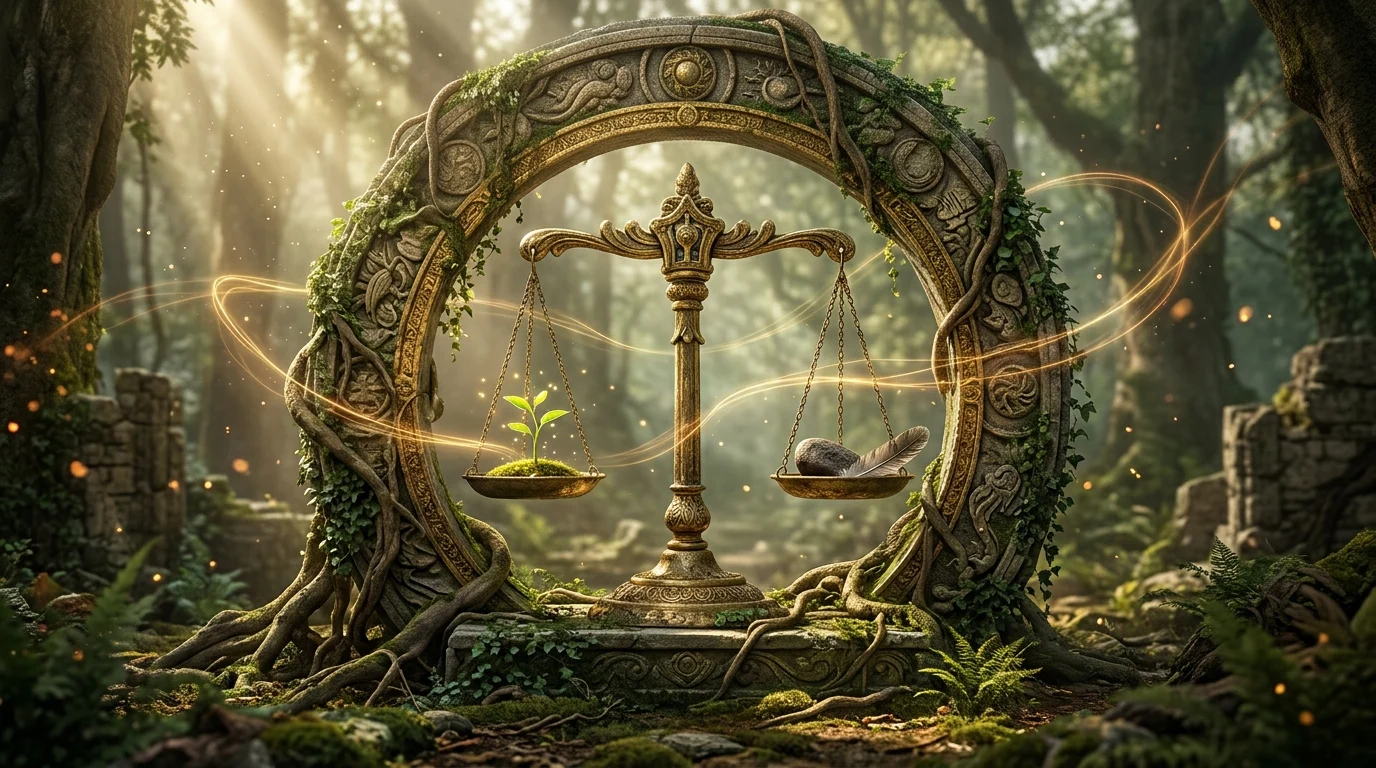
Karma symbolism represents the connection between actions and their consequences. It reflects the belief that every choice, intention, and behavior can influence what happens next. Across spiritual traditions and cultures, karma symbolizes balance, responsibility, justice, and the natural cycle of cause and effect.
The concept of karma encourages people to think carefully about their actions and understand how their behavior affects others. It also offers an important life lesson: positive intentions and thoughtful choices can help create a more peaceful and meaningful future.
From ancient religious teachings to modern personal development, karma remains a powerful symbol of accountability, moral balance, and personal growth.
Karma Symbolism Meaning (Clear Definition)
Karma symbolism refers to the deeper meaning of actions and their consequences. It represents the idea that what people do, say, and intend can influence their experiences and future circumstances.
The word karma comes from the Sanskrit word karman, meaning action or deed. It has important meanings in Hinduism, Buddhism, Jainism, and other Indian philosophical traditions.
In symbolic interpretations, karma often represents:
- Cause and effect: Every action can produce consequences.
- Moral responsibility: People should take responsibility for their choices.
- Justice and balance: Actions have ethical and spiritual significance.
- Personal growth: Experiences can offer opportunities to learn.
- Life cycles: Actions and consequences may extend beyond the present moment in some religious traditions.
- Positive energy: Kindness and compassion encourage healthier relationships.
Karma does not simply mean that good people always receive good things or that bad people always experience punishment. Its traditional meanings are more complex and differ across religious and philosophical schools.
What Does Karma Symbolism Represent?
Karma symbolism represents several important ideas connected to human behavior, morality, and personal responsibility.
Here are its most common symbolic interpretations:
| Symbolic Meaning | Interpretation |
|---|---|
| Cause and Effect | Actions produce consequences. |
| Balance | Moral choices have significance. |
| Justice | People are responsible for their behavior. |
| Responsibility | Every decision deserves careful thought. |
| Growth | Experiences can encourage positive change. |
| Compassion | Kind actions support harmony. |
| Transformation | People can learn and change through their actions. |
| Life Cycle | Actions may influence future experiences and rebirth. |
Karma as a Symbol of Cause and Effect
One of the strongest meanings of karma is cause and effect. It suggests that actions do not exist separately from their consequences.
For example, treating others with honesty can build trust, while repeated dishonesty can damage relationships. These everyday experiences demonstrate how choices influence life.
Karma as a Symbol of Justice
Karma also represents moral accountability. It encourages people to recognize that their decisions matter, even when nobody else notices them.
In spiritual traditions, karma may describe a deeper moral order that operates beyond ordinary human judgment.
Karma as a Symbol of Personal Growth
Karma can symbolize the opportunity to learn from past mistakes. Instead of repeating harmful behavior, people can develop patience, kindness, and wisdom.
This interpretation makes karma a symbol of transformation rather than simply punishment.
Spiritual Meaning of Karma Symbolism
The spiritual meaning of karma centers on intention, action, and the consequences that follow. Many spiritual traditions teach that a person’s inner intentions matter alongside their outward behavior.
Karma encourages individuals to become more conscious of their thoughts, words, and actions.
In spiritual interpretations, karma may symbolize:
1. Spiritual Accountability
Karma reminds people that their actions have moral significance. It encourages honesty, compassion, and responsible behavior.
2. Inner Transformation
People can use difficult experiences as opportunities to develop wisdom and emotional strength.
3. Universal Balance
Karma is sometimes understood as a spiritual principle connecting actions with consequences within the wider order of existence.
4. Freedom Through Awareness
Understanding personal behavior can help individuals make better decisions and break harmful patterns.
5. The Journey of the Soul
In Hinduism and some other Indian religious traditions, karma connects with rebirth and the continuing journey toward spiritual liberation.
Karma is therefore more than a symbol of reward and punishment. It can represent awareness, learning, and the responsibility to live with purpose.
Biblical / Religious Meaning of Karma Symbolism
Karma is not a central doctrine in the Bible or Christianity. However, some biblical teachings share similarities with its general emphasis on actions and consequences.
For example, Galatians 6:7 contains the well-known teaching that a person reaps what they sow. This passage emphasizes moral responsibility and the consequences of human behavior.
There are also important differences between karma and biblical teachings.
- Christianity: Emphasizes God’s judgment, grace, forgiveness, repentance, and salvation.
- Hinduism: Connects karma with actions, dharma, rebirth, and liberation.
- Buddhism: Explains karma through intentional actions and their consequences, within the broader teaching of dependent arising and rebirth.
- Jainism: Understands karma as a subtle form of matter that attaches to the soul and affects its journey toward liberation.
Karma in Hinduism
In Hindu philosophy, karma is closely connected to dharma, which refers to duty, righteousness, and proper conduct.
Actions can influence future experiences and rebirth. Different Hindu schools explain the relationship between karma, the self, and liberation in different ways.
Karma in Buddhism
In Buddhism, intention plays an important role in karma. Actions motivated by greed, hatred, and ignorance have harmful consequences, while actions rooted in generosity, compassion, and wisdom are considered beneficial.
Buddhist teachings also explain that karma is not the only condition influencing every experience.
Karma in Jainism
Jainism gives karma a distinctive interpretation. It describes karmic matter as something that binds to the soul through actions and passions.
Spiritual purification involves reducing karmic attachment through ethical conduct, self-discipline, and nonviolence.
These traditions show that karma has several religious meanings rather than one universal definition.
Karma Symbolism in History and Culture
Karma has a long history in South Asian religious and philosophical traditions. Its earliest developments appear in ancient Indian religious texts, including the Vedic and Upanishadic traditions.
Over time, Hinduism, Buddhism, and Jainism developed their own explanations of karma and its relationship with human actions.
Ancient Indian Traditions
In ancient Indian philosophy, karma became closely connected with moral responsibility, rebirth, and spiritual liberation.
It encouraged people to consider how their actions influenced their future experiences.
Buddhist Cultural Interpretations
Buddhist communities across Asia incorporated karma into religious teachings, stories, art, and everyday ethical practices.
Images of the Wheel of Life, for example, illustrate cycles of existence and the conditions that keep beings within the cycle of rebirth.
The Wheel of Life Thangka Painting 75*50 -Samsara -Thangka
Science and astronomy hidden in Tamil Nadu temple sculptures
7
Karma in Modern Western Culture
Karma became increasingly familiar in Western culture through religious studies, literature, popular spirituality, and cultural exchange.
Today, people often use the expression “what goes around comes around” to describe the idea that actions eventually return to influence the person who performed them.
Although this expression captures a popular interpretation, it does not fully explain the deeper religious meanings of karma.
Karma Symbolism in Literature and Art
Karma has inspired literature, religious artwork, poetry, storytelling, and philosophical writing for centuries.
Writers and artists often use karma to explore justice, responsibility, destiny, morality, and the consequences of human choices.
Karma in Literature
In literature, karma can represent the relationship between a character’s behavior and their eventual experiences.
A dishonest character might lose the trust of others, while a compassionate character may inspire positive change. These stories use consequences to communicate lessons about human nature.
Karma-related themes also appear in traditional Indian epics and religious narratives.
The Mahabharata explores duty, moral decisions, and the consequences of actions. The Bhagavad Gita discusses karma yoga, or the path of action performed with discipline and without attachment to personal rewards.
Karma in Visual Art
Artists represent karma through several symbolic images:
Colorful Dharma Wheel (27) by MrTimelessArt on DeviantArt
The Eternal Soul: Bhagavad Gita Insights on Birth and Death from Chapters 4 & 6 — Moolatattva
The Eight Auspicious Symbols: Ashtamangala – Evamratna
8
- Wheel: Represents cycles of existence and repeated patterns.
- Lotus flower: Symbolizes spiritual growth and purity.
- Endless knot: Represents interconnectedness and the relationship between causes and conditions.
- Balance scales: Suggest moral responsibility and justice.
- Pathway: Represents the journey of personal and spiritual development.
These images help communicate the idea that actions, intentions, and experiences are interconnected.
Dream Meaning of Karma Symbolism
Dreams about karma may symbolically reflect personal responsibility, guilt, fairness, unresolved situations, or the desire to make better choices.
Their meanings depend on the dreamer’s emotions, experiences, and cultural beliefs. Dreams do not provide reliable predictions about future rewards or punishments.
Here are some possible interpretations:
| Karma Dream | Possible Symbolic Meaning |
|---|---|
| Seeing a karma wheel | Life cycles and repeated patterns |
| Helping someone | Compassion and positive intentions |
| Being punished | Guilt or fear of consequences |
| Receiving a reward | Recognition or personal satisfaction |
| Seeing a balance scale | Desire for fairness and justice |
| Meeting someone from the past | Unresolved feelings or memories |
| Breaking a negative cycle | Personal growth and change |
Dreaming About the Karma Wheel
A karma wheel may represent repeating situations or patterns in your life. It could encourage you to examine your decisions and consider what needs to change.
Dreaming About Good Karma
Dreaming about kindness or receiving help may reflect hope, gratitude, and a desire for positive relationships.
Dreaming About Bad Karma
Such a dream might reflect guilt, regret, or concerns about the consequences of past decisions. It does not necessarily indicate that something bad will happen.
Modern Meaning of Karma Symbolism
In modern life, karma symbolism often represents accountability, kindness, fairness, and the importance of personal choices.
People frequently use karma as a reminder to treat others respectfully and avoid harmful behavior.
Karma in Everyday Relationships
Karma can symbolize the importance of honesty, loyalty, and respect. Positive behavior helps create trust, while selfish actions can weaken relationships.
Karma in Personal Development
Modern interpretations connect karma with self-awareness and the ability to change.
People can reflect on their mistakes, accept responsibility, and develop healthier habits instead of repeating harmful patterns.
Karma on Social Media
The phrase “instant karma” has become popular online. It usually describes a situation where someone quickly experiences the consequences of their own actions.
This modern expression is often humorous, but it reflects the broader symbolic idea of cause and effect.
Karma as a Reminder to Choose Kindness
Karma can encourage people to help others without expecting an immediate reward.
A simple act of kindness, an honest conversation, or a thoughtful decision can create positive changes in everyday life.
Ultimately, modern karma symbolism reminds us that our choices help shape our relationships, character, and communities.
FAQS:
1. What Is the Main Symbolic Meaning of Karma?
The main symbolic meaning of karma is cause and effect. It represents the connection between actions, intentions, and their consequences.
2. Does Karma Symbolize Good Luck or Bad Luck?
Karma does not simply symbolize luck. It represents the moral significance of actions and their consequences in different spiritual and philosophical traditions.
3. What Is the Spiritual Symbol of Karma?
The karma wheel is one of the most recognizable symbols associated with karma. It represents cycles of existence, actions, and consequences, although its precise meaning depends on the tradition.
4. What Does Bad Karma Symbolize?
Bad karma generally symbolizes harmful intentions or actions and their negative consequences. It can also serve as a reminder to develop greater awareness and compassion.
5. What Does Karma Teach Us in Everyday Life?
Karma encourages people to take responsibility for their choices, treat others with kindness, and learn from their mistakes. It highlights the importance of thoughtful and ethical behavior.
Conclusion
Karma symbolism represents the powerful connection between actions and consequences. Across religious traditions, historical teachings, and modern culture, it carries important meanings related to responsibility, balance, justice, and personal growth.
Its deeper message encourages people to act with kindness, develop self-awareness, and make thoughtful choices. Karma reminds us that our actions matter and that meaningful change often begins with the decisions we make every day.

I explore the meanings and stories behind symbols, helping readers understand their cultural, spiritual, and everyday significance through clear, engaging, and meaningful insights.