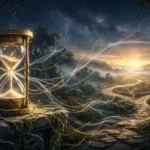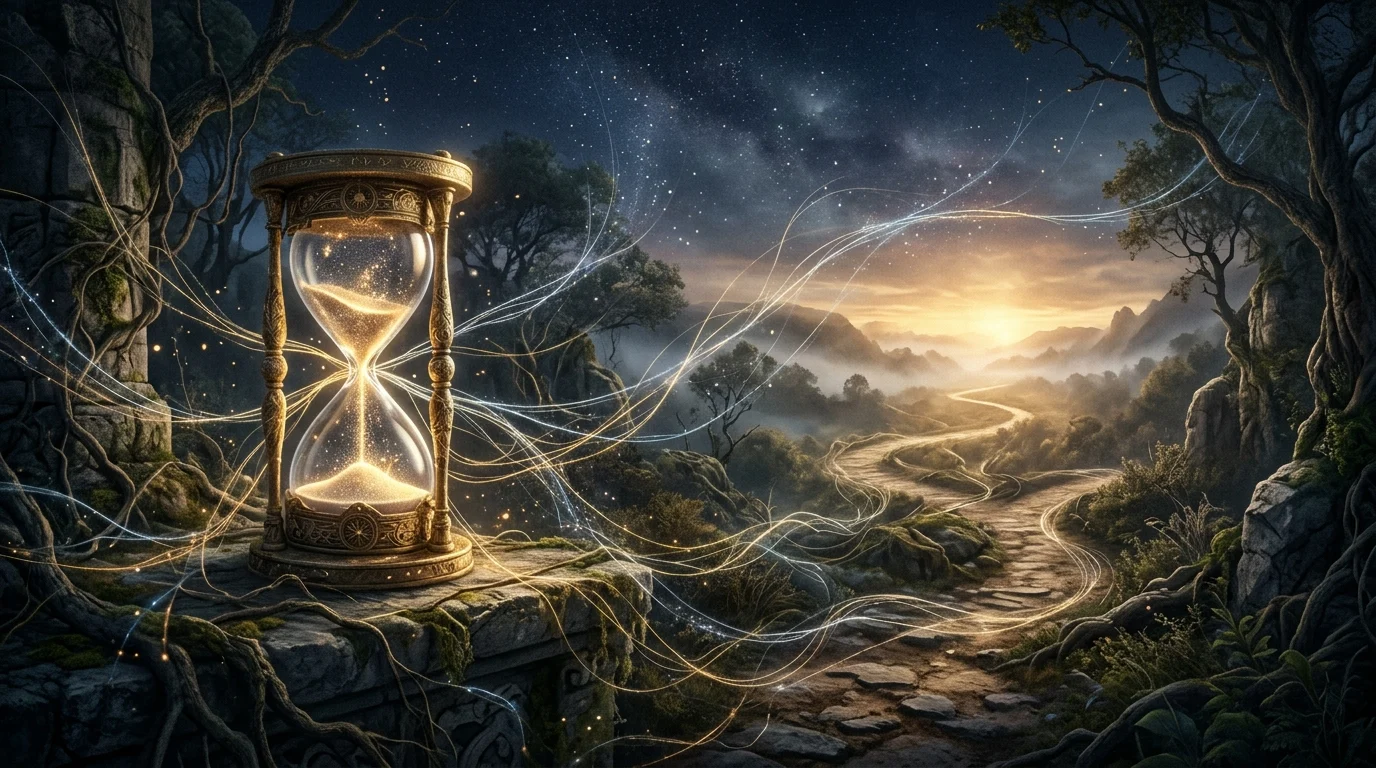
Fate symbolism represents destiny, life’s unexpected turns, and the belief that certain events may be meant to happen. It reflects the connection between choices, circumstances, and forces beyond human control. Across different cultures, fate has symbolized the mysterious path that shapes human experiences, relationships, challenges, and opportunities.
The idea of fate encourages people to think about life’s purpose and the meaning behind significant events. Some see fate as a predetermined journey, while others believe it develops through personal decisions and experiences. Its symbolism offers a fascinating way to explore destiny, free will, and the unknown future.
Fate Symbolism Meaning (Clear Definition)
Fate symbolism refers to the symbolic representation of destiny, predetermined events, and the forces believed to influence the direction of human life.
Fate often represents the idea that certain experiences happen for a reason or follow a greater pattern that people cannot always understand. It can symbolize both the limits of human control and the possibility of discovering meaning through life’s experiences.
The most common meanings associated with fate include:
- Destiny: A future or life path believed to be meant for someone.
- Life’s journey: The experiences and events that shape an individual’s existence.
- Divine plan: The belief that a higher power influences human experiences.
- Inevitability: Events that seem impossible to avoid.
- Free will: The relationship between personal decisions and predetermined outcomes.
- Life purpose: The search for meaning and direction.
- Unexpected change: Events that completely transform someone’s life.
Fate symbolism reminds us that life contains both predictable patterns and surprising possibilities.
What Does Fate Symbolism Represent?
Fate symbolism represents several important ideas about human existence. Its meaning often depends on personal beliefs, cultural traditions, and individual experiences.
Here are some of its most recognizable symbolic interpretations.
1. Destiny and Life Purpose
Fate commonly represents the belief that everyone has a unique journey. Some people interpret their experiences as steps toward a greater purpose.
This symbolism encourages individuals to discover what matters most and understand their place in the world.
2. The Power of Choices
Although fate is sometimes associated with predetermined events, it also raises questions about personal responsibility.
People often face decisions that change their relationships, careers, and future opportunities. This connection makes fate a symbol of the relationship between destiny and free will.
3. Unavoidable Events
Fate can symbolize circumstances that people cannot control. Unexpected losses, sudden opportunities, and major life changes may feel like unavoidable parts of a larger journey.
4. Mystery and the Unknown
The future remains uncertain, making fate a powerful symbol of mystery. It represents everything that people cannot predict or fully understand.
5. Transformation and New Beginnings
Sometimes an unexpected event changes the direction of someone’s life. Fate can symbolize these turning points, representing personal growth and new possibilities.
| Symbolic ElementCommon Meaning | |
|---|---|
| Destiny | A predetermined life path |
| Thread | The connection between life events |
| Wheel | Changing circumstances and cycles |
| Clock | Time and inevitable change |
| Crossroads | Choices and different possibilities |
| Stars | Guidance and heavenly destiny |
| Open road | Life’s journey and opportunities |
| Hourglass | The passage of time |
Spiritual Meaning of Fate Symbolism
The spiritual meaning of fate symbolism focuses on destiny, divine guidance, life lessons, and the search for a deeper purpose.
Many spiritual traditions explore the possibility that human experiences connect to something greater than individual desires. From this perspective, certain encounters and challenges may carry personal or spiritual significance.
Divine Guidance and Higher Purpose
Some spiritual beliefs describe fate as part of a greater plan. People who follow this interpretation may see important life events as opportunities to learn, grow, and move toward their purpose.
Karma and Life Consequences
Fate is sometimes connected with karma, particularly in Eastern spiritual traditions.
Karma generally concerns actions and their consequences. Although karma and fate are different concepts, both encourage reflection on how behavior influences life experiences.
Soul Journey and Personal Growth
Some spiritual interpretations suggest that the soul follows a meaningful journey through different experiences.
Challenges may represent opportunities for patience, wisdom, compassion, and inner strength. This interpretation encourages people to find meaning in difficult moments without assuming that every hardship was predetermined.
Trusting the Unknown
Fate can also symbolize surrendering the need to control everything.
This does not mean abandoning personal responsibility. Instead, it encourages people to accept uncertainty while continuing to make thoughtful decisions.
Biblical / Religious Meaning of Fate Symbolism
Fate has different meanings across religious traditions. In Christianity and other faiths, discussions about destiny often involve divine knowledge, human responsibility, and God’s plan.
Fate in Christianity
The Bible discusses God’s knowledge, guidance, purpose, and authority over creation. These ideas are sometimes associated with destiny, although the word fate does not fully describe the biblical understanding of divine providence.
Proverbs 16:9 expresses an important connection between human decisions and divine direction:
People may plan their paths, but God ultimately guides their steps.
This idea suggests that individuals have responsibilities and make choices while recognizing God’s greater authority.
Fate in Islam
In Islam, the concept of Qadr refers to divine decree and Allah’s knowledge and power over everything.
Muslims believe that Allah knows what will happen, while human beings remain responsible for their intentions and actions.
This understanding connects destiny with faith, patience, trust in Allah, and personal accountability.
Fate in Hinduism
Hindu traditions explore destiny through concepts such as karma, dharma, and reincarnation.
Karma connects actions with consequences, while dharma concerns duty and righteous living. Together, these concepts offer a framework for understanding how actions and responsibilities shape life’s journey.
Fate in Buddhism
Buddhism does not generally present fate as a fixed, predetermined future.
Instead, it emphasizes karma, dependent origination, and the relationship between actions and consequences. These teachings highlight how intentions and circumstances influence experiences.
Across these traditions, fate symbolism raises important questions about divine guidance, responsibility, and the meaning of human life.
Fate Symbolism in History and Culture
Fate has influenced human civilization for thousands of years. Ancient societies developed myths, religious beliefs, and symbolic figures to explain why certain events occurred and whether the future could be predicted.
Fate in Ancient Greek Mythology
Fates – World History Encyclopedia
In ancient Greek mythology, the Three Fates, known as the Moirai, controlled the thread of human life.
They included:
- Clotho: Spun the thread of life, representing birth and beginnings.
- Lachesis: Measured the thread, representing the length and direction of life.
- Atropos: Cut the thread, representing death and life’s final ending.
These figures became powerful symbols of destiny, time, and the limits of human control.
Fate in Roman Culture
Roman mythology included the Parcae, three figures associated with the beginning, duration, and ending of human life.
Their symbolism reflected the belief that destiny followed a greater order that even powerful individuals could not easily escape.
Fate in Norse Mythology
The Norns: Fate, Wyrd & Weaving Your Destiny | Norse Mythology – Nicole’s ritual universe
Norse mythology features three important figures called the Norns.
They are associated with the past, present, and future and are connected to the destiny of gods and humans.
Their presence beneath Yggdrasil, the world tree, makes them powerful symbols of time, existence, and the interconnected nature of life.
Fate in Eastern Traditions
Eastern philosophical and religious traditions often explore destiny through karma, reincarnation, and spiritual development.
These ideas emphasize the relationship between actions, consequences, and future experiences rather than simply viewing life as a fixed sequence of events.
Fate Symbolism in Literature and Art
Fate has remained an important theme in literature, painting, sculpture, and storytelling. Artists use it to explore human emotions, unexpected events, love, tragedy, and the struggle between personal freedom and destiny.
Fate in Classical Literature
Ancient Greek tragedies frequently explored the conflict between human decisions and unavoidable destiny.
In Sophocles’ Oedipus Rex, the main character attempts to escape a prophecy but eventually discovers that his actions have led him toward its fulfillment.
The story explores the limits of human knowledge and the difficulty of escaping certain outcomes.
Fate in Shakespeare’s Works
William Shakespeare explored fate and ambition in several plays.
In Macbeth, supernatural prophecies influence Macbeth’s decisions and ambitions. The story raises questions about whether destiny controls human behavior or whether personal choices create tragic outcomes.
Fate in Visual Art
Artists often represent fate through symbolic objects and figures, including:
- Threads representing the connection between life events.
- Clocks representing time and mortality.
- Crossroads representing important decisions.
- Stars representing destiny and guidance.
- Broken chains representing freedom from limitations.
- Hourglasses representing the passage of life.
These images communicate the mystery of destiny without requiring written explanations.
Dream Meaning of Fate Symbolism
Dreams about fate may reflect thoughts about the future, major decisions, uncertainty, or a desire to understand life’s direction.
Their meanings depend on personal experiences, emotions, and the details of the dream. There is no scientifically established universal interpretation.
Here are some common symbolic possibilities.
Dreaming About Your Destiny
A dream about discovering your destiny may reflect a desire for direction or a stronger sense of purpose.
It can represent questions about your future and the decisions you need to make.
Dreaming About a Crossroads
A crossroads may symbolize an important decision or two different opportunities.
It can reflect uncertainty about which direction to take in your personal or professional life.
Dreaming About Threads of Life
Threads may symbolize relationships, memories, and connections between important experiences.
They can also represent feelings about how different events have shaped your identity.
Dreaming About the Future
Dreaming about future events may reflect hopes, fears, expectations, or concerns about uncertainty.
Such dreams do not necessarily predict what will happen.
Dreaming About a Clock or Hourglass
A clock or hourglass may symbolize the passage of time, changing priorities, or awareness of limited opportunities.
It may encourage reflection on how you spend your time.
Modern Meaning of Fate Symbolism
In modern society, fate symbolism continues to influence personal beliefs, relationships, entertainment, and everyday conversations.
People often use the language of fate when describing unexpected encounters, life-changing opportunities, or events that seem perfectly timed.
Fate and Relationships
Some people describe meaningful romantic relationships as destined connections.
Meeting someone unexpectedly or developing a strong emotional bond may create the feeling that two people were meant to meet.
This interpretation often represents love, connection, and emotional significance rather than proof of a predetermined relationship.
Fate and Career Opportunities
A surprising job opportunity, unexpected professional connection, or sudden change in career direction may feel like fate.
These experiences can encourage individuals to recognize possibilities they might otherwise overlook.
Fate and Personal Decisions
Modern interpretations often balance destiny with personal responsibility.
Rather than waiting for everything to happen automatically, people can use the idea of fate as motivation to explore opportunities, make thoughtful choices, and remain open to change.
Fate as a Symbol of Hope
For many individuals, fate provides comfort during uncertain periods.
It can represent the possibility that difficult experiences may eventually lead to new opportunities, stronger relationships, or greater understanding.
Ultimately, fate symbolism encourages people to appreciate life’s mysteries while taking an active role in shaping their future.
FAQS:
1. What Is the Main Symbolic Meaning of Fate?
Fate primarily symbolizes destiny, predetermined events, and the direction of human life. It also represents the relationship between personal choices and circumstances beyond individual control.
2. What Objects Symbolize Fate?
Common symbols of fate include threads, spinning wheels, hourglasses, clocks, crossroads, stars, and roads. Each represents a different aspect of destiny, time, or life’s journey.
3. What Does Fate Mean Spiritually?
Spiritually, fate can represent divine guidance, life purpose, karma, and personal growth. Some traditions view it as part of a greater plan, while others emphasize actions and their consequences.
4. What Is the Difference Between Fate and Destiny?
Fate often describes events believed to be unavoidable or predetermined, while destiny commonly refers to a meaningful future or life purpose. However, people frequently use these terms interchangeably.
5. Is Fate a Positive or Negative Symbol?
Fate can represent both positive and negative experiences. It may symbolize hope, love, and opportunity, but it can also represent loss, challenges, uncertainty, and unavoidable change.
Conclusion
Fate symbolism represents the mysterious connection between destiny, personal choices, and life’s unexpected experiences. From ancient mythology to modern relationships, it reminds us that the future is not always predictable. Whether viewed through spiritual beliefs, cultural traditions, or personal experiences, fate encourages us to embrace uncertainty, learn from life’s challenges, and move forward with purpose.

I explore the meanings and stories behind symbols, helping readers understand their cultural, spiritual, and everyday significance through clear, engaging, and meaningful insights.