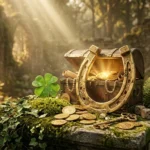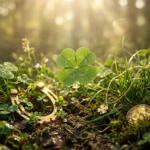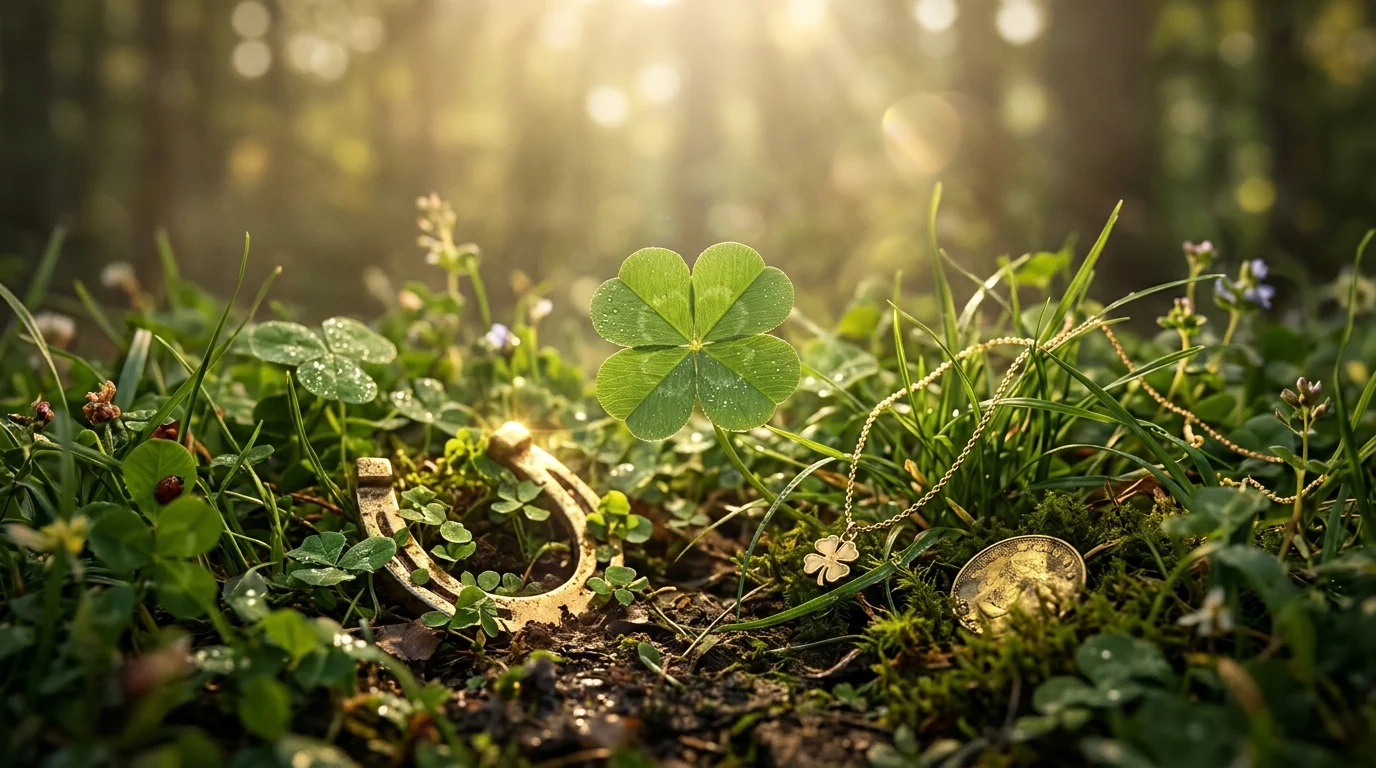
Luck symbolism represents fortune, opportunity, unexpected blessings, and the mysterious role of chance in human life. Across different cultures, people have used symbols such as four-leaf clovers, horseshoes, lucky coins, and rabbits’ feet to represent good fortune and protection. Luck symbolism helps explain why certain objects, animals, and experiences have become connected with prosperity, hope, and positive possibilities.
Although luck means different things to different people, its symbols often express a shared desire for happiness, success, and a better future. Some people view luck as a spiritual blessing, while others see it as a combination of opportunity, preparation, and chance.
Luck Symbolism Meaning (Clear Definition)
Luck symbolism refers to the use of objects, animals, numbers, colors, and signs to represent good fortune, unexpected opportunities, prosperity, or misfortune.
In simple terms, luck symbols express the human hope that positive events will happen and difficult circumstances will improve.
For example, a four-leaf clover commonly represents good luck, while a horseshoe is traditionally associated with protection and fortune. People often keep these objects as charms because they believe the symbols encourage positive outcomes.
Luck symbolism can communicate several important ideas:
- Good fortune: Positive events and unexpected blessings.
- Opportunity: New chances that can improve life.
- Protection: Safety from negative influences or misfortune.
- Prosperity: Financial success, abundance, and growth.
- Hope: Confidence in a brighter future.
- Destiny: The belief that certain events happen for a reason.
These meanings show how luck symbols connect everyday experiences with deeper human emotions and cultural beliefs.
What Does Luck Symbolism Represent?
Luck symbolism represents more than simply winning a competition or receiving unexpected money. It reflects how people understand uncertainty, opportunity, and the possibility of positive change.
Different symbols communicate different aspects of good fortune.
| Luck Symbol | Symbolic Meaning |
|---|---|
| Four-leaf clover | Good fortune, hope, and rare opportunities |
| Horseshoe | Protection, prosperity, and good luck |
| Lucky coin | Wealth, abundance, and financial success |
| Rabbit’s foot | Traditional good luck and protection |
| Ladybug | Happiness, blessings, and positive change |
| Number seven | Fortune, completeness, and spiritual significance |
| Wishbone | Wishes, hope, and favorable outcomes |
| Elephant | Wisdom, strength, and prosperity |
| Bamboo | Growth, resilience, and good fortune |
| Shooting star | Wishes, dreams, and new possibilities |
These symbols appear in jewelry, decorations, traditional celebrations, and personal belongings.
For many people, carrying a lucky object creates a feeling of confidence. Even when someone does not believe that an object can change the future, it can still serve as a meaningful reminder to remain hopeful.
Spiritual Meaning of Luck Symbolism
The spiritual meaning of luck symbolism often connects good fortune with blessings, positive energy, gratitude, and personal growth.
In various spiritual traditions, people interpret unexpected opportunities as signs that life may be moving in a positive direction. A lucky encounter, a meaningful coincidence, or an unexpected opportunity may encourage someone to reflect on their choices and possibilities.
Several spiritual interpretations are associated with luck.
1. Divine blessings
Some people interpret good fortune as a blessing from a higher power. They may see positive experiences as reminders to appreciate the good things in life.
2. Positive energy
In certain spiritual beliefs, lucky objects represent positive energy, protection, and emotional balance. These interpretations are traditional beliefs rather than scientifically established effects.
3. New beginnings
Finding a lucky symbol unexpectedly may represent hope, fresh opportunities, or the beginning of a new chapter.
4. Trust in life’s journey
Luck can symbolize the importance of remaining patient when circumstances feel uncertain. It encourages people to stay open to possibilities.
5. Gratitude and abundance
Lucky symbols can remind people to recognize existing blessings instead of focusing only on what they lack.
Ultimately, spiritual luck symbolism encourages optimism while reminding us that meaningful progress also requires effort, wisdom, and responsible decisions.
Biblical / Religious Meaning of Luck Symbolism
The Bible does not present luck charms as a reliable way to control the future. Instead, biblical teachings emphasize God’s providence, wisdom, faith, prayer, and trust.
The concept of luck is therefore different from the religious idea of receiving blessings.
Several biblical themes help explain this distinction.
- Divine providence: The belief that God guides and oversees human life.
- Faith: Trusting God during uncertain and difficult situations.
- Blessings: Recognizing goodness, provision, and spiritual gifts.
- Wisdom: Making thoughtful decisions rather than depending on chance.
- Gratitude: Appreciating the blessings already present in life.
Proverbs 16:9 teaches that people make plans, but the Lord establishes their steps. This verse reflects the importance of human responsibility alongside trust in divine guidance.
In Islam, the idea of relying on luck charms also differs from trusting Allah. Good outcomes are understood through Allah’s will, prayer, sincere effort, and reliance on Him. Superstitions and beliefs that objects independently control destiny are not equivalent to genuine faith.
Across religious traditions, the deeper lesson is that hope and gratitude matter more than depending on lucky objects.
Luck Symbolism in History and Culture
Luck symbolism has a long history, with different civilizations developing their own traditions and beliefs about fortune.
Many familiar lucky objects have cultural origins that continue to influence modern customs.
Four-Leaf Clover
The four-leaf clover is one of the most recognizable symbols of good luck. Because it is less common than the traditional three-leaf clover, people have associated finding one with rare opportunities and unexpected fortune.
It is especially connected with Irish cultural traditions and celebrations of St. Patrick’s Day.
Horseshoe
Qué significa poner una herradura en la puerta de la casa, según el Feng Shui – LA NACION
The horseshoe has traditionally represented protection and good fortune in several European folk traditions.
Some customs place it above a doorway to welcome prosperity and protect a home. Beliefs differ about whether its ends should point upward or downward.
Lucky Coins
Chinese Coins Feng Shui: Meaning, Placement & How to Use Them
Coins have represented wealth, prosperity, and financial opportunity throughout history.
In different cultures, people carry special coins in wallets or display them at home as reminders of abundance and success.
Rabbit’s Foot
Rabbit Foot Keychain Vintage Bell – Etsy Canada
The rabbit’s foot became a traditional good-luck charm in parts of European and North American folklore.
People historically believed it could bring protection and favorable circumstances. Today, it is often recognized as a cultural symbol rather than an object with proven supernatural powers.
Lucky Number Seven
Unlocking the Mystical Meaning of Psychic Number 7: A Jou…
The number seven has held special significance in numerous religious, cultural, and historical traditions.
It appears in stories, rituals, calendars, and popular expressions. Many people associate it with good fortune, completeness, and spiritual meaning.
These examples demonstrate that luck symbolism develops through shared stories, traditions, and cultural experiences.
Luck Symbolism in Literature and Art
Luck symbolism plays an important role in literature, paintings, folklore, and storytelling.
Writers and artists use lucky objects to communicate hope, unexpected change, destiny, and the unpredictable nature of life.
In traditional fairy tales, a magical object may help a character overcome difficulties or discover an unexpected opportunity. Such objects often represent hope and the possibility of transformation.
In literature, luck can serve several purposes:
- Character development: Good or bad fortune can change a character’s decisions.
- Destiny: Lucky events may suggest that life follows an unexpected path.
- Conflict: Unlucky circumstances can create challenges that characters must overcome.
- Transformation: Unexpected opportunities can introduce a new beginning.
- Hope: Lucky symbols can represent the possibility of a better future.
Artists also use rainbows, stars, golden objects, clovers, and shooting stars to express happiness, prosperity, and optimism.
For example, a rainbow after a storm may symbolize hope following hardship. A golden coin may communicate wealth or opportunity, while a shooting star can represent a wish or dream.
Through these creative expressions, luck becomes a powerful symbol of life’s uncertainty and possibility.
Dream Meaning of Luck Symbolism
Dreams involving lucky objects or fortunate experiences can reflect hope, confidence, personal desires, and expectations about the future.
However, dream interpretations are subjective. A dream does not guarantee that a particular event will happen.
Here are some common interpretations:
| Luck-Related Dream | Possible Interpretation |
|---|---|
| Finding a four-leaf clover | Hope and unexpected opportunities |
| Discovering a gold coin | Financial hopes or personal value |
| Seeing a horseshoe | Desire for safety and stability |
| Finding a lucky charm | Need for reassurance or confidence |
| Seeing a shooting star | Wishes and personal ambitions |
| Winning a prize | Desire for recognition or success |
| Experiencing good fortune | Optimism and positive expectations |
| Losing a lucky object | Fear of uncertainty or losing confidence |
Dreaming About Finding a Lucky Object
Finding a lucky object in a dream may represent your desire for positive change. It can also reflect your readiness to recognize opportunities.
Dreaming About Winning Something
Winning a prize may symbolize ambition, self-confidence, or a desire to achieve something important.
Dreaming About Losing Good Luck
Losing a lucky charm may reflect uncertainty or concerns about an upcoming decision.
Instead of treating these dreams as predictions, consider how their emotions connect with your current experiences.
Modern Meaning of Luck Symbolism
In modern society, luck symbolism continues to influence fashion, entertainment, business, sports, and everyday life.
People use lucky objects for different reasons. Some follow family traditions, while others enjoy the personal meaning attached to particular symbols.
1. Fashion and jewelry
Four-leaf clover necklaces, lucky bracelets, and horseshoe pendants allow people to express their beliefs and personal style.
2. Business and prosperity
Businesses sometimes use symbols such as golden coins, lucky numbers, and elephants to communicate success, abundance, and positive growth.
3. Sports and competitions
Athletes may carry lucky items or follow personal routines before important competitions. These habits can provide emotional comfort and a sense of confidence.
4. Personal motivation
A lucky charm can remind someone to stay positive, prepare carefully, and approach challenges with courage.
5. Digital culture
Lucky numbers, emojis, and symbolic images frequently appear in social media posts, online games, and digital celebrations.
Modern luck symbolism also encourages an important distinction: a positive mindset can support motivation, but it cannot guarantee success. Preparation, practical decisions, and persistence remain essential.
FAQS:
1. What is the most common symbol of good luck?
The four-leaf clover is one of the world’s most recognizable symbols of good luck. Horseshoes, lucky coins, and rabbits’ feet are also popular traditional symbols.
2. What does luck symbolize spiritually?
Spiritually, luck can represent blessings, hope, positive energy, and unexpected opportunities. Some people also connect it with divine guidance and gratitude.
3. What animal symbolizes good luck?
Ladybugs, elephants, rabbits, and certain fish are associated with good fortune in different cultural traditions. Their meanings vary depending on the region and belief system.
4. What color represents luck?
Green is commonly associated with good luck, growth, and prosperity. Gold and red also represent fortune, success, and positive energy in various cultures.
5. Does seeing a lucky symbol mean good fortune is coming?
Not necessarily. Seeing a lucky symbol may feel encouraging or personally meaningful, but there is no scientific evidence that it predicts future events.
Conclusion
Luck symbolism reflects humanity’s timeless hope for happiness, prosperity, protection, and positive change. From four-leaf clovers and horseshoes to lucky coins and shooting stars, these symbols carry meanings shaped by history, culture, and personal beliefs.
Although lucky objects cannot guarantee success, they can inspire confidence, gratitude, and optimism. Ultimately, the deeper meaning of luck lies in recognizing opportunities, making wise choices, and staying hopeful throughout life’s unpredictable journey.

I explore the meanings and stories behind symbols, helping readers understand their cultural, spiritual, and everyday significance through clear, engaging, and meaningful insights.