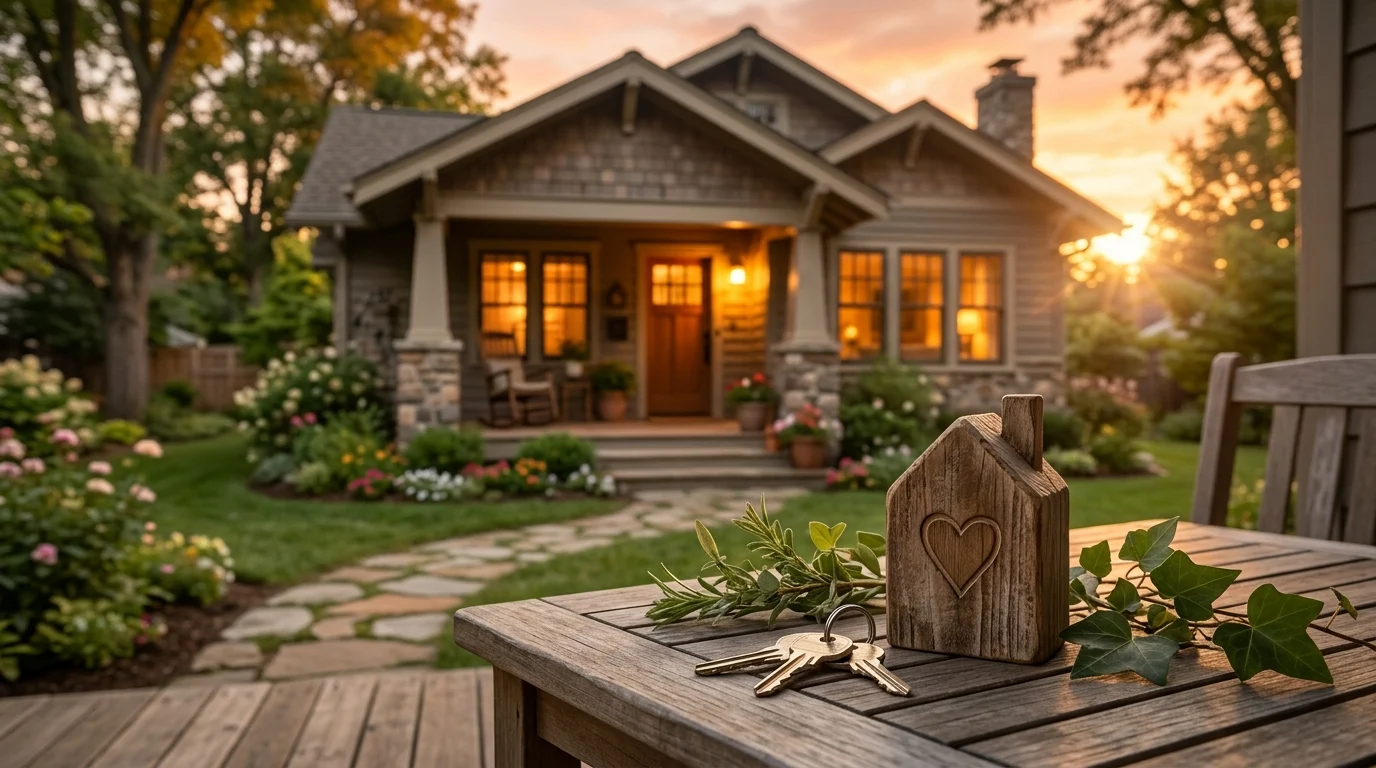
Home symbolism explores the deeper meanings associated with a home, including safety, belonging, family, comfort, identity, and emotional stability. A home is more than a physical building; it can represent the place where people find peace, build relationships, protect their loved ones, and discover a sense of self.
Throughout history, people have viewed home as a powerful symbol of shelter, personal freedom, and connection to their roots. Whether it is a childhood house, a small apartment, or a dream home, the idea of home often carries emotions that extend far beyond walls and a roof.
Understanding home symbolism can help us appreciate why certain places feel meaningful and how our living spaces reflect our memories, values, and hopes for the future.
Home Symbolism Meaning (Clear Definition)
Home symbolism refers to the use of a house or living space to represent deeper ideas such as security, belonging, identity, family, and emotional comfort. It connects a physical place with the feelings and experiences that make people feel at home.
In symbolic language, a home often represents the inner self. Its rooms may reflect different parts of a person’s life, while its doors and windows can suggest opportunities, openness, or boundaries.
For example, a warm and welcoming home may symbolize love and stability. In contrast, an abandoned or damaged house may represent loneliness, unresolved memories, or a period of change.
The meaning depends on personal experiences, cultural traditions, and the situation in which the home appears.
What Does Home Symbolism Represent?
Home symbolism can communicate several important ideas. Although interpretations vary, some meanings appear across many cultures and personal experiences.
- Safety and protection: A home provides shelter from the outside world and symbolizes a secure place.
- Family and relationships: Shared living spaces often represent love, cooperation, and family connections.
- Belonging and identity: Home can express where someone comes from and where they feel accepted.
- Peace and comfort: A familiar environment may symbolize emotional rest and relief from daily pressures.
- Personal growth: A home can represent the development of character, independence, and self-understanding.
- Memory and heritage: Childhood homes and ancestral houses often carry family traditions and important memories.
- Change and new beginnings: Moving into a new home may symbolize fresh opportunities and a different stage of life.
These meanings show why a home can feel deeply significant even when it is modest or temporary. Its symbolic value often comes from the experiences and relationships connected to it rather than its size or appearance.
Spiritual Meaning of Home Symbolism
The spiritual meaning of home symbolism centers on inner peace, grounding, protection, and the search for a place where the soul feels settled. In many spiritual traditions, home represents an environment that supports reflection, gratitude, and connection with something greater than oneself.
Home as a Symbol of Inner Peace
A peaceful home can symbolize harmony between thoughts, emotions, and daily actions. A quiet room, a familiar chair, or a shared meal may become a reminder to slow down and appreciate the present moment.
From this perspective, creating a peaceful home is not only about decorating a space. It also involves nurturing kindness, reducing unnecessary conflict, and making room for rest.
Home as a Place of Spiritual Protection
Many traditions associate the home with protection from harmful influences. People may use prayers, blessings, sacred objects, or meaningful rituals to express their hopes for safety and well-being.
These practices reflect cultural and spiritual beliefs rather than a scientifically established protective effect. Their personal importance often comes from the comfort, intention, and sense of community they provide.
Home as a Reflection of the Inner Self
Some spiritual interpretations view a house as a metaphor for the human mind or inner life. A bright room may suggest clarity, while a neglected space may encourage reflection on areas that need attention.
This interpretation can offer a useful question: Does your living environment support the person you want to become?
Ultimately, home symbolism reminds us that spiritual comfort can begin with simple acts of care, reflection, and gratitude.
Biblical / Religious Meaning of Home Symbolism
In biblical and religious traditions, home often represents hospitality, family responsibility, fellowship, faith, and the desire for peace. Its meaning can extend beyond a physical building to include a spiritual community or a relationship with the divine.
Home in the Bible
The Bible frequently presents households as places where people practice faith, welcome visitors, and care for one another. In Joshua 24:15, Joshua declares that his household will serve the Lord, connecting the home with shared spiritual commitment.
Psalm 127:1 states that a house cannot be securely built without the Lord’s involvement. This verse is often understood as a reminder that lasting security involves more than physical construction or material success.
Home as a Symbol of Hospitality
Many religious teachings encourage people to welcome strangers, support neighbors, and care for those in need. In this context, a home symbolizes generosity and the willingness to make room for others.
A welcoming household becomes meaningful not simply because of its possessions but because of the kindness shown within it.
Home as a Symbol of Heaven
In Christianity, the idea of a heavenly home can represent eternal belonging, hope, and life with God. John 14:2 describes the Father’s house as having many dwelling places, a passage commonly associated with the promise of a place in God’s presence.
Other religions also connect the home with sacred practices, family duties, and spiritual belonging, although their teachings differ. Therefore, religious home symbolism should be understood within the specific beliefs and traditions involved.
Home Symbolism in History and Culture
Throughout history, the home has reflected the needs, values, and social structures of different communities. Its symbolic meaning has changed with architecture, family life, migration, and cultural traditions.
The Home as a Symbol of Family Heritage
In many societies, ancestral homes represent continuity between generations. Family gatherings, inherited objects, and familiar rooms can preserve memories of relatives and important events.
An old family house may therefore carry emotional significance even when it no longer serves as someone’s main residence.
Home in Traditional Cultures
Traditional homes often reflect local environments, religious beliefs, and community values. Courtyards, shared living areas, and family gathering spaces can express hospitality and cooperation.
In many South Asian communities, for example, the home may serve as a central place for family celebrations, religious observances, and visits from relatives. These practices can make a household a symbol of shared identity and social connection.
Home as a Symbol of Freedom and Independence
For many people, owning or establishing a home represents independence and the ability to shape their own lives. Leaving a childhood home may symbolize adulthood, while creating a first home can mark a major personal achievement.
However, home does not always mean ownership. Renters, travelers, migrants, and people living with extended families may find belonging in places they do not own.
Home and Migration
For people who move to another country or region, home may represent both what they have left behind and what they hope to build. Familiar foods, languages, music, and family customs can preserve a sense of connection across distance.
This makes home symbolism especially powerful for people navigating change, separation, or cultural adjustment.
Home Symbolism in Literature and Art
Writers and artists frequently use homes to explore identity, relationships, social class, memory, and personal transformation. A house can function as a setting while also revealing the emotional condition of the people who live inside it.
The House as a Reflection of Character
In literature, the condition of a house may reflect the lives of its occupants. A carefully maintained home might suggest order or pride, while a crumbling building could represent neglect, family conflict, or a fading tradition.
These meanings depend on the story and should not be treated as universal rules.
Home as a Symbol of Belonging
Many stories explore characters who search for a place where they can feel accepted. Their journeys may involve returning to a childhood home, leaving an oppressive household, or discovering a new community.
In these narratives, home becomes an emotional destination rather than merely a physical location.
The Symbolism of Doors and Windows
Doors and windows often add further meaning to depictions of homes.
- Doors may represent opportunities, boundaries, welcome, or exclusion.
- Windows can symbolize perspective, hope, curiosity, or a desire to connect with the outside world.
- Stairs may suggest progress, ambition, or movement between different stages of life.
- Empty rooms can evoke absence, possibility, loneliness, or memories.
- A roof may represent shelter, security, and the protection of a household.
Artists use these details to communicate emotions and ideas without explaining everything directly.
Dream Meaning of Home Symbolism
Dreams about homes may reflect feelings about security, relationships, identity, memories, or personal change. However, dreams do not have one fixed meaning, and their interpretation depends on the dreamer’s experiences and emotions.
Dreaming of a Beautiful Home
A beautiful or welcoming house may reflect comfort, hope, personal satisfaction, or a desire for greater stability. It might also represent an ideal future that you want to create.
Consider which features made the home feel special and whether those qualities are present in your waking life.
Dreaming of an Old Childhood Home
An old home may bring attention to memories, family relationships, or experiences that still influence you. The dream could reflect nostalgia, a wish for familiarity, or an opportunity to reconsider lessons from the past.
It does not necessarily mean that you should return to an earlier stage of life.
Dreaming of a Damaged or Burning House
A damaged house may reflect feelings of uncertainty, stress, or concern about an important part of life. A burning home can feel frightening and may be associated with intense emotions or major change.
Such dreams do not predict that a real house will be damaged or destroyed.
Dreaming of a New House
A new house may symbolize independence, personal development, changing responsibilities, or the possibility of a fresh start. Its atmosphere can offer clues about how you feel about those changes.
Rather than searching for a universal prediction, consider what the new home means to you personally.
Modern Meaning of Home Symbolism
In modern life, home symbolism extends beyond traditional ideas of property and family. It can represent mental comfort, personal freedom, work-life balance, digital connection, and the ability to live according to one’s values.
Home as a Personal Sanctuary
Busy schedules and constant digital communication can make a peaceful living environment especially valuable. A home may symbolize a place where people can rest, establish boundaries, and recover from everyday demands.
Simple habits, such as keeping a comfortable reading corner or sharing regular meals, can strengthen this feeling of sanctuary.
Home and Personal Identity
Modern homes often reflect individual tastes, lifestyles, and priorities. Photographs, books, plants, artwork, and treasured possessions can express a person’s memories and interests.
A meaningful home does not need expensive furniture or elaborate decoration. Even a small, carefully arranged space can reflect personality and create a sense of belonging.
Home in the Digital Age
Remote work and online communities have changed how people experience home. For some, the home now functions as an office, classroom, creative studio, and social space.
This overlap can make boundaries more important. Creating separate routines for work and relaxation helps preserve the feeling that home is also a place for personal life.
Home as an Emotional Connection
Modern home symbolism also recognizes that belonging does not always depend on a permanent address. People may feel at home with trusted friends, within a supportive community, or in a place connected to meaningful memories.
In this sense, home is partly something we build through relationships, habits, and care.
FAQS:
1. What is the main meaning of home symbolism?
Home symbolism primarily represents safety, belonging, family, identity, and emotional comfort. Its deeper meaning depends on personal experiences and cultural beliefs.
2. What does a home symbolize spiritually?
Spiritually, a home may represent inner peace, grounding, protection, and a place for reflection or connection with the divine. Interpretations vary among spiritual traditions.
3. What does a house symbolize in dreams?
A house in a dream may reflect your emotions, sense of identity, relationships, or current life circumstances. The house’s condition and the feelings you experience in the dream can help you explore its personal significance.
4. What does a new home symbolize?
A new home often symbolizes fresh beginnings, independence, personal growth, and changing responsibilities. It may reflect excitement about the future or the desire to create a more suitable living environment.
5. Why is home an important symbol in literature?
Writers use home symbolism to explore belonging, family relationships, memory, freedom, and identity. A character’s relationship with a house can reveal emotional struggles or changes throughout a story.
Conclusion
Home symbolism reminds us that a home is more than a physical structure. It can represent safety, love, identity, heritage, spiritual belonging, and the freedom to grow. Whether connected to a childhood house, a new beginning, or a peaceful corner of a familiar room, home gains its deepest meaning from the life and relationships it holds. Ultimately, a true sense of home comes from feeling accepted, supported, and at peace with yoursel

I explore the meanings, history, and cultural significance behind symbols, helping readers understand how symbols connect with ideas, emotions, traditions, and everyday life.