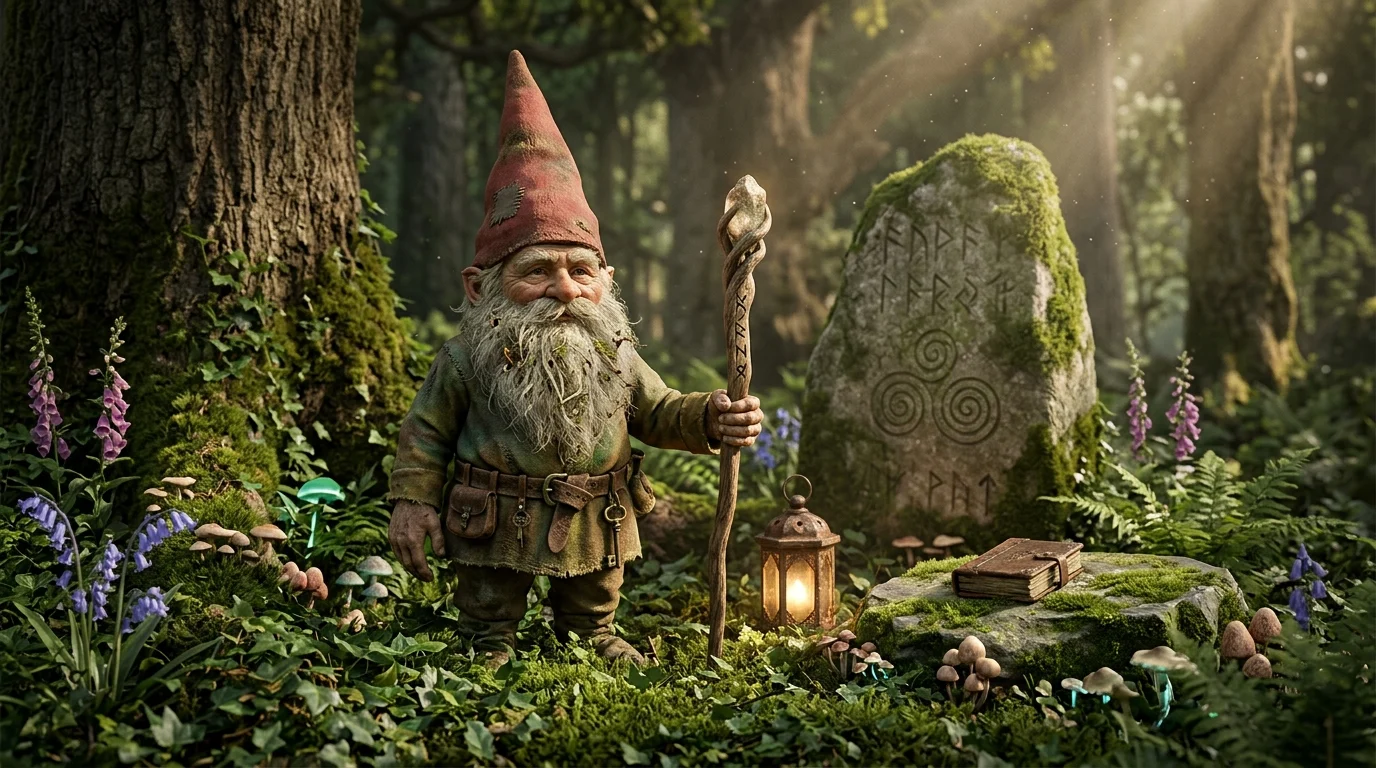
Gnome symbolism is often associated with protection, wisdom, good luck, nature, and a deep connection to the earth. These small mythical beings appear in folklore, fairy tales, gardens, and fantasy traditions. Their mysterious appearance and close relationship with nature make them powerful symbols of hidden knowledge and natural harmony.
Throughout different cultures, gnomes represent the idea that even the smallest beings can hold great wisdom and strength. They also remind us to appreciate simple pleasures, protect what matters, and stay connected to the natural world.
Understanding gnome symbolism reveals fascinating meanings connected to folklore, spirituality, personal growth, and modern life.
Gnome Symbolism Meaning (Clear Definition)
Gnome symbolism refers to the meanings and ideas associated with gnomes in mythology, folklore, spirituality, and popular culture.
Gnomes are traditionally imagined as small, human-like supernatural beings who live underground, in forests, or near gardens. Many stories describe them as guardians of hidden treasures and protectors of nature.
At its core, gnome symbolism represents:
- Protection: Guarding homes, gardens, and valuable things.
- Wisdom: Possessing knowledge gained through experience.
- Good Luck: Attracting prosperity and positive fortune.
- Nature: Maintaining a close relationship with the earth.
- Hidden Treasures: Discovering valuable things beneath the surface.
- Humility: Finding strength in simplicity and modesty.
- Stability: Building a secure and balanced life.
These meanings make gnomes interesting symbols of quiet strength, natural wisdom, and everyday protection.
What Does Gnome Symbolism Represent?
Gnomes represent several important ideas that connect human life with nature, imagination, and traditional beliefs.
Their small size often symbolizes humility, while their legendary knowledge represents wisdom and experience.
Here are the most common symbolic meanings of gnomes:
| Symbolic Meaning | Interpretation |
|---|---|
| Protection | Keeping harmful influences away |
| Good Luck | Attracting positive opportunities |
| Wisdom | Learning from experience |
| Nature | Respecting the natural world |
| Wealth | Guarding valuable treasures |
| Stability | Creating security and balance |
| Mystery | Discovering hidden knowledge |
| Humility | Appreciating simple things |
Protection and Safety
Gnomes are frequently portrayed as guardians of homes, gardens, and underground treasures. Garden gnome decorations reflect this traditional protective association.
Wisdom and Knowledge
Many traditional stories portray gnomes as experienced beings who understand the secrets of nature. They symbolize the importance of patience, observation, and learning.
Good Luck and Prosperity
Some modern traditions associate garden gnomes with good fortune, abundance, and successful harvests. People sometimes place them in gardens as cheerful symbols of prosperity.
Connection With Nature
Gnomes are closely connected to forests, soil, plants, stones, and underground spaces. They represent respect for the environment and the importance of living in harmony with nature.
Spiritual Meaning of Gnome Symbolism
The spiritual meaning of gnome symbolism is commonly connected to grounding, protection, inner wisdom, and harmony with the natural world.
In modern spiritual interpretations, gnomes are sometimes associated with earth energy and elemental beings.
Their connection with the ground represents stability and emotional balance. They remind people to develop strong foundations before pursuing bigger dreams.
Grounding and Stability
Gnomes symbolize staying connected to reality. They encourage people to remain patient, practical, and balanced during uncertain situations.
Some contemporary spiritual beliefs view gnomes as protective nature spirits. Their image represents the desire for safety, peaceful surroundings, and positive energy.
Hidden Wisdom
Because folklore often places gnomes underground, they can symbolize knowledge that remains hidden until someone takes time to discover it.
Patience and Personal Growth
Gnomes also represent slow and steady progress. Their symbolism encourages people to trust their journey rather than rush toward success.
It is important to remember that these spiritual interpretations belong to folklore and personal belief rather than scientifically established facts.
Biblical / Religious Meaning of Gnome Symbolism
Gnomes do not have a specific established meaning in the Bible, and they are not recognized as biblical spiritual beings.
Their traditional stories developed through European folklore, mythology, and later fantasy literature.
However, some people connect the symbolic qualities of gnomes with broader religious themes.
Humility: Their small appearance can remind people that greatness does not depend on physical size or social status.
Stewardship of Nature: Their connection with gardens and the earth can inspire respect for creation and responsible care of the natural world.
Wisdom: Their traditional reputation for knowledge reflects the broader religious importance of seeking understanding and making thoughtful decisions.
These are symbolic comparisons rather than direct biblical teachings about gnomes.
Gnome Symbolism in History and Culture
Gnomes have a fascinating history rooted in European folklore, mythology, and changing cultural traditions.
The word gnome became associated with earth-dwelling beings in Renaissance-era European writings. The Swiss physician and alchemist Paracelsus helped popularize the concept of gnomes as elemental earth beings in the sixteenth century.
In his elemental framework, gnomes were associated with earth, while other beings represented water, air, and fire.
Over time, stories about gnomes developed across different European traditions.
European Folklore
Traditional European stories often describe small supernatural beings living underground, inside mountains, or in hidden places. Some legends portray them as helpful guardians, while others describe them as mischievous creatures.
Garden Gnome Tradition
Garden gnomes became particularly popular in Europe during the nineteenth century. Their decorative figures often appeared near flowers, pathways, and garden entrances.
People gradually associated them with good fortune, protection, and cheerful outdoor spaces.
German Cultural Influence
Germany played an important role in the development of modern garden gnome decorations. Traditional designs commonly feature beards, pointed hats, and gardening tools.
Today, gnomes appear in fantasy novels, video games, movies, and tabletop games. Their personalities vary from wise magical creatures to clever inventors and friendly woodland characters.
These different representations show how gnome symbolism has evolved while maintaining its connection to nature and mystery.
Gnome Symbolism in Literature and Art
Gnomes have inspired artists, storytellers, and fantasy creators for generations.
Their unusual appearance and connection with magical environments make them memorable figures in imaginative storytelling.
Gnomes in Fairy Tales
In fairy tales, gnomes often appear as mysterious helpers who guide characters through difficult situations. They may offer valuable knowledge, protect hidden treasures, or teach lessons about kindness and humility.
Gnomes in Fantasy Literature
Fantasy literature frequently portrays gnomes as intelligent, resourceful, and skilled beings. Some stories emphasize their connection with underground kingdoms, mining, craftsmanship, and magical inventions.
Gnomes in Garden Art
Garden gnome statues have become recognizable decorative objects. Their colorful clothing, pointed hats, and friendly expressions symbolize playfulness, good fortune, and a welcoming connection with nature.
Gnomes in Modern Entertainment
Modern fantasy games and films often give gnomes unique personalities and abilities. Some are inventors, others are nature guardians, and many represent creativity and intelligence.
Through literature and art, gnomes continue to symbolize the magical possibilities hidden within ordinary surroundings.
Dream Meaning of Gnome Symbolism
Dreaming about a gnome can have different interpretations depending on the dream’s setting, emotions, and personal experiences.
From a symbolic perspective, gnomes in dreams may represent hidden wisdom, protection, good fortune, or a need to reconnect with nature.
Here are some common interpretations:
- Seeing a Gnome: May represent curiosity, hidden knowledge, or unexpected opportunities.
- A Friendly Gnome: Can symbolize protection, guidance, and positive relationships.
- An Angry Gnome: May reflect unresolved concerns or feelings about personal boundaries.
- A Garden Gnome: Can represent happiness, peaceful surroundings, and appreciation for simple pleasures.
- A Gnome Giving You Something: May symbolize discovering an overlooked opportunity or valuable lesson.
- A Group of Gnomes: May represent friendship, teamwork, and community.
- A Gnome Hiding Underground: Can suggest unexplored emotions, secrets, or personal discoveries.
Dream meanings are subjective. Your own emotions and life circumstances are more important than any fixed symbolic interpretation.
Modern Meaning of Gnome Symbolism
In modern culture, gnome symbolism combines traditional folklore with ideas about happiness, creativity, nature, and personal identity.
Garden gnomes remain popular decorative figures, but their meaning extends beyond outdoor decoration.
Many people use gnome decorations as cheerful symbols of luck and prosperity. Their presence can create a welcoming atmosphere around homes and gardens.
A Reminder to Enjoy Life
Gnomes often have playful appearances that encourage people to appreciate humor, imagination, and simple everyday experiences.
Environmental Awareness
Their close connection with plants, soil, forests, and gardens makes them symbols of environmental appreciation.
Creativity and Imagination
Modern fantasy culture presents gnomes as clever, inventive, and resourceful characters. They represent the ability to find creative solutions to difficult problems.
Personal Growth
Gnomes can also symbolize the value of building a strong foundation, remaining humble, and appreciating progress that happens gradually.
Ultimately, their modern symbolism reminds us that meaningful things do not always need to be large or impressive.
FAQS:
1. What does a gnome symbolize spiritually?
Spiritually, gnomes commonly symbolize grounding, protection, wisdom, stability, and connection with nature. Some modern spiritual traditions also associate them with earth energy.
2. Are gnomes symbols of good luck?
Yes, many modern folk traditions associate gnomes with good luck, prosperity, and protection. Garden gnomes are especially popular as decorative symbols of positive fortune.
3. What does a gnome represent in mythology?
In European folklore and elemental traditions, gnomes are often portrayed as earth-associated supernatural beings. They represent hidden knowledge, underground treasures, nature, and mystery.
4. What does it mean to dream about a gnome?
Dreaming about a gnome may symbolize hidden wisdom, unexpected opportunities, protection, or a desire for greater stability. The interpretation depends on the details and emotions of the dream.
5. Why are gnomes placed in gardens?
People traditionally place garden gnomes in outdoor spaces as cheerful symbols of good fortune, protection, and harmony with nature. They also serve as playful decorations.
Conclusion
Gnome symbolism represents protection, wisdom, good luck, humility, and a strong connection with nature. From European folklore to modern garden decorations, gnomes remind us that small things can carry meaningful lessons. Their symbolism encourages us to stay grounded, appreciate life’s simple pleasures, and discover the hidden value of the world around us.

I am Jasmine Marie, an administrator at SymbolBuz. I love exploring symbols and sharing their meanings to help readers understand their deeper stories, messages, and significance.