Piercing symbolism carries deep meanings connected to identity, beauty, spirituality, courage, and self-expression. Throughout history, people have used body piercings to communicate personal beliefs, cultural traditions, social status, and important life experiences. From simple ear piercings to nose rings and other body modifications, each type can hold a unique meaning.
Today, piercing symbolism goes beyond fashion. For many people, a piercing represents individuality, confidence, independence, or a meaningful connection to their heritage. Understanding these interpretations reveals how a small piece of jewelry can express something much bigger about a person’s identity.
Piercing Symbolism Meaning (Clear Definition)
Piercing symbolism refers to the deeper meanings and messages associated with placing jewelry through different parts of the body. It can represent personal identity, cultural belonging, spiritual beliefs, beauty, independence, or significant life changes.
A piercing may carry different meanings depending on its location, design, cultural background, and the intention of the person wearing it.
For example, an ear piercing might represent beauty or tradition, while a nose piercing may communicate cultural identity, confidence, or personal style.
In simple terms, piercing symbolism represents the idea that body decoration can become a meaningful form of personal expression.
What Does Piercing Symbolism Represent?
Piercings can communicate several important ideas. Although interpretations vary across individuals and cultures, some common symbolic meanings include:
| Symbolic Meaning | Interpretation |
|---|---|
| Self-expression | Showing personality and individuality |
| Beauty | Celebrating appearance and personal style |
| Independence | Making personal choices freely |
| Courage | Expressing confidence and fearlessness |
| Identity | Communicating personal or cultural background |
| Transformation | Marking a new chapter in life |
| Rebellion | Challenging traditional expectations |
| Belonging | Connecting with a community or tradition |
| Commitment | Representing a meaningful personal decision |
These meanings are not universal. The same piercing can represent completely different things to different people.
For some, it is simply a fashion choice. For others, it carries an emotional memory or cultural significance.
Spiritual Meaning of Piercing Symbolism
From a spiritual perspective, piercing symbolism can represent transformation, personal awareness, protection, and the connection between physical appearance and inner identity.
Some spiritual traditions and modern interpretations associate body piercings with the following ideas.
1. Personal Transformation
Getting a piercing can symbolize leaving an old version of yourself behind and welcoming change. It may represent a fresh beginning, increased confidence, or an important personal milestone.
2. Spiritual Protection
In certain cultural and spiritual traditions, jewelry has served as a protective symbol. Some people believe that particular ornaments can represent protection from negative influences, although these beliefs are not scientifically established.
3. Inner Strength
Choosing to get a piercing may symbolize courage and the willingness to make independent decisions. For some individuals, it becomes a reminder of their strength and personal freedom.
4. Connection With Identity
A meaningful piercing can reflect someone’s spiritual journey, personal values, or connection with a particular community.
5. Balance and Self-Awareness
Some modern spiritual interpretations connect symmetrical piercings or particular body placements with balance, harmony, and self-acceptance.
Ultimately, the spiritual meaning of a piercing depends on personal beliefs and the intention behind it.
Biblical / Religious Meaning of Piercing Symbolism
Piercing symbolism has several connections with religious history, although the Bible does not establish one universal spiritual meaning for modern body piercings.
In biblical traditions, earrings and other ornaments sometimes appear as symbols of beauty, wealth, relationships, and cultural identity.
For example, Genesis 24:22 describes jewelry given to Rebekah during the events surrounding her marriage arrangement. In Exodus 21:5–6, ear piercing appears in a specific legal context involving a servant who chooses to remain with a master.
These examples show that piercing and body ornaments had different social and symbolic meanings in ancient societies.
Religious interpretations can also differ:
- Christianity: Some Christians view piercings as personal choices, while others consider modesty, intention, and religious principles when making decisions.
- Hindu traditions: Nose ornaments, particularly nose rings, have cultural and traditional associations in several South Asian communities.
- Buddhist traditions: Jewelry and bodily decoration have varied meanings across Buddhist cultures, although they do not represent a universal Buddhist teaching about piercing.
- Islam: Views on particular forms of piercing can differ according to gender, cultural practice, and scholarly interpretation.
It is important to distinguish religious teachings from cultural customs and modern spiritual beliefs.
Piercing Symbolism in History and Culture
Body piercing has existed in different societies for thousands of years. Ancient communities used piercings to communicate social position, cultural identity, beauty, maturity, and belonging.
The meaning of a piercing often depended on the traditions of the community.
Ancient Egypt
In ancient Egypt, earrings and other forms of jewelry were associated with wealth, beauty, and social standing. Body ornaments could also communicate a person’s position within society.
Ancient Rome
Romans used jewelry to display wealth, status, and personal appearance. Earrings and other ornaments formed part of fashionable dress in different social settings.
South Asian Traditions
Nose piercing has a long cultural history across South Asia. In India and neighboring regions, nose rings and studs have become important elements of traditional jewelry, especially in wedding celebrations and cultural ceremonies.
African Cultural Traditions
Different African communities have practiced various forms of body modification, including ear stretching and other forms of piercing. These practices can represent beauty, maturity, identity, or community belonging.
Indigenous Cultures
Some Indigenous communities have incorporated body ornaments and piercing into traditional ceremonies, personal identity, and cultural practices. Their meanings differ significantly between communities.
These historical examples demonstrate that piercing is more than a modern fashion trend. It has served as a form of cultural communication and personal expression across generations.
Piercing Symbolism in Literature and Art
Piercing symbolism also appears through visual art, literature, photography, and popular culture.
Artists and writers sometimes use body jewelry to communicate deeper ideas about identity, beauty, freedom, and social expectations.
Identity and Individuality
A character wearing unusual piercings may represent someone who refuses to follow conventional expectations. This visual detail can communicate independence without requiring lengthy explanations.
Rebellion and Freedom
In contemporary photography, music videos, and fashion illustrations, facial piercings often symbolize resistance to traditional beauty standards.
Beauty and Attraction
Jewelry around the ears, nose, and other body areas frequently appears in artistic representations of elegance, personal style, and attraction.
Cultural Identity
Traditional piercing jewelry can help artists represent cultural heritage, family connections, and community traditions.
In this way, piercing becomes a visual language that communicates personality and social meaning.
Dream Meaning of Piercing Symbolism
Dreaming about piercings may reflect personal identity, emotional changes, confidence, or concerns about how others perceive you.
The interpretation depends on the dream’s details and your personal experiences.
Here are some common interpretations:
- Getting a new piercing: May symbolize a fresh beginning, personal transformation, or a desire for change.
- Seeing earrings: Can represent beauty, self-expression, or a desire to feel appreciated.
- Getting a nose piercing: May reflect individuality, confidence, or a connection with cultural identity.
- A painful piercing: Could represent anxiety, emotional discomfort, or challenges associated with personal growth.
- Losing piercing jewelry: May reflect concerns about identity, confidence, or losing something personally meaningful.
- Removing a piercing: Can symbolize letting go of an old identity, belief, or stage of life.
Dream meanings are subjective rather than scientifically established predictions. Your emotions and experiences provide the most useful context for understanding such dreams.
Modern Meaning of Piercing Symbolism
In modern society, piercing symbolism has become closely connected with individuality, fashion, personal freedom, and changing ideas about beauty.
People from different backgrounds choose piercings for many reasons. Some follow cultural traditions, while others use jewelry to express their personalities.
Several modern interpretations stand out.
1. Individuality and Self-Expression
Piercings allow people to create distinctive appearances. Different jewelry styles can communicate personal taste, creativity, and confidence.
2. Confidence and Empowerment
For some individuals, getting a piercing represents taking control of their appearance and making decisions based on personal preferences.
3. Fashion and Creativity
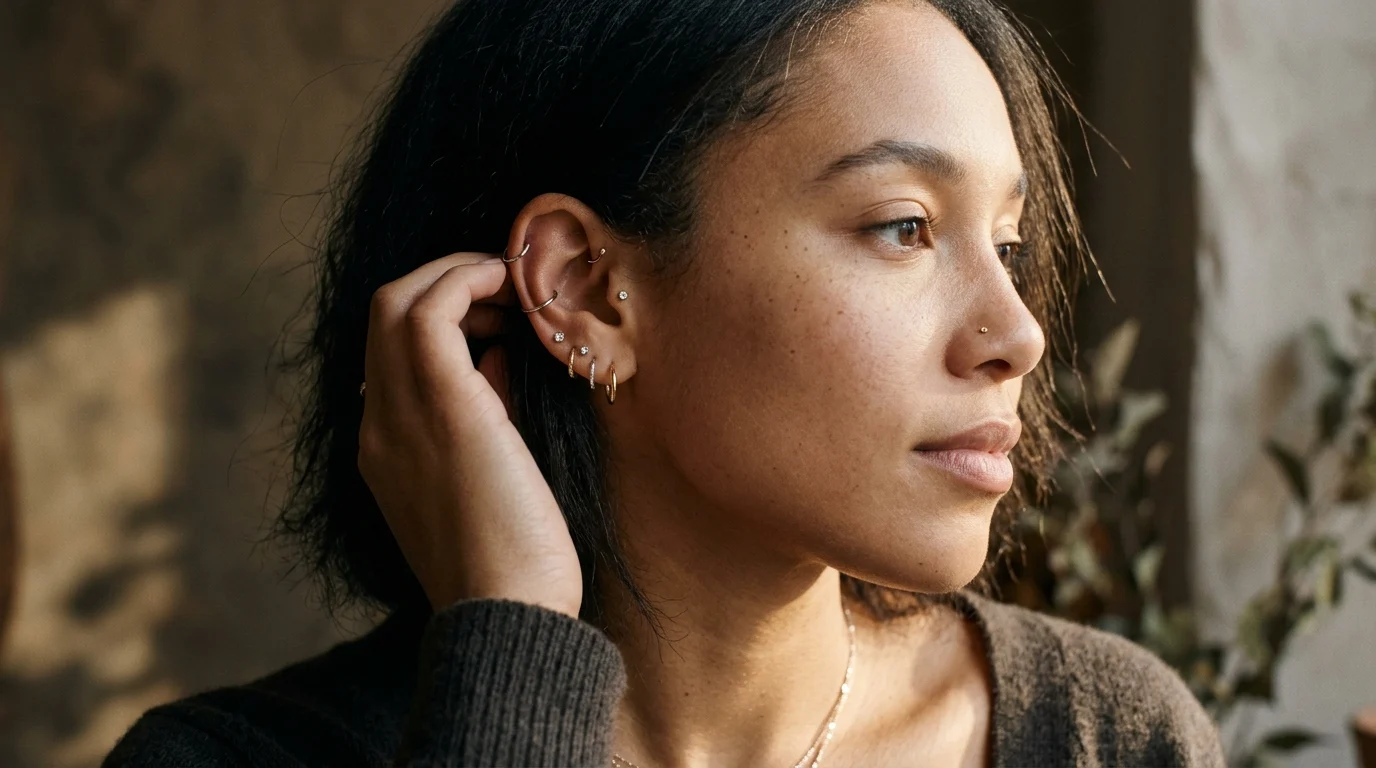
Modern piercing trends include multiple ear piercings, nose studs, septum rings, and other styles. Jewelry placement and combinations offer countless creative possibilities.
4. Emotional Significance
Some people choose piercings to remember an important event, celebrate personal growth, or mark a new chapter in their lives.
5. Cultural Appreciation and Heritage
Traditional jewelry remains meaningful in many communities. Wearing a culturally significant piercing can reflect family traditions and a connection with one’s roots.
6. Challenging Social Expectations
Piercings can also communicate independence from conventional beauty standards. They allow individuals to explore appearances that feel authentic to them.
However, a piercing does not automatically reveal someone’s personality, beliefs, or values. Its meaning ultimately belongs to the person wearing it.
FAQS:
1. What Does a Piercing Symbolize Spiritually?
Spiritually, a piercing may represent personal transformation, confidence, self-expression, or protection. Its meaning depends on individual beliefs and cultural traditions.
2. What Does an Ear Piercing Symbolize?
An ear piercing commonly represents beauty, fashion, identity, and cultural tradition. In some communities, it also carries connections with family customs and important life events.
3. What Does a Nose Piercing Symbolize?
A nose piercing can symbolize individuality, beauty, cultural heritage, and personal confidence. In South Asian traditions, it also has important cultural and ceremonial associations.
4. Does Getting a Piercing Symbolize Rebellion?
Sometimes, a piercing represents independence and resistance to traditional expectations. However, many people choose piercings simply for beauty, fashion, or personal meaning.
5. What Does It Mean When Someone Gets a New Piercing?
A new piercing may represent self-expression, a fresh beginning, confidence, or a personal milestone. Its meaning depends on the individual’s reasons for getting it.
Conclusion
Piercing symbolism reflects the connection between personal identity, cultural traditions, beauty, and self-expression. Whether someone chooses an ear piercing, nose ring, or another form of body jewelry, the experience can carry a unique meaning. Ultimately, a piercing is more than decoration when it represents something personally meaningful. It becomes a small but powerful expression of individuality and the freedom to define who you are.

I am Jasmine Marie, an administrator at SymbolBuz. I love exploring symbols and sharing their meanings to help readers understand their deeper stories, messages, and significance.