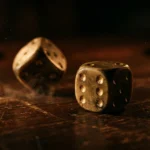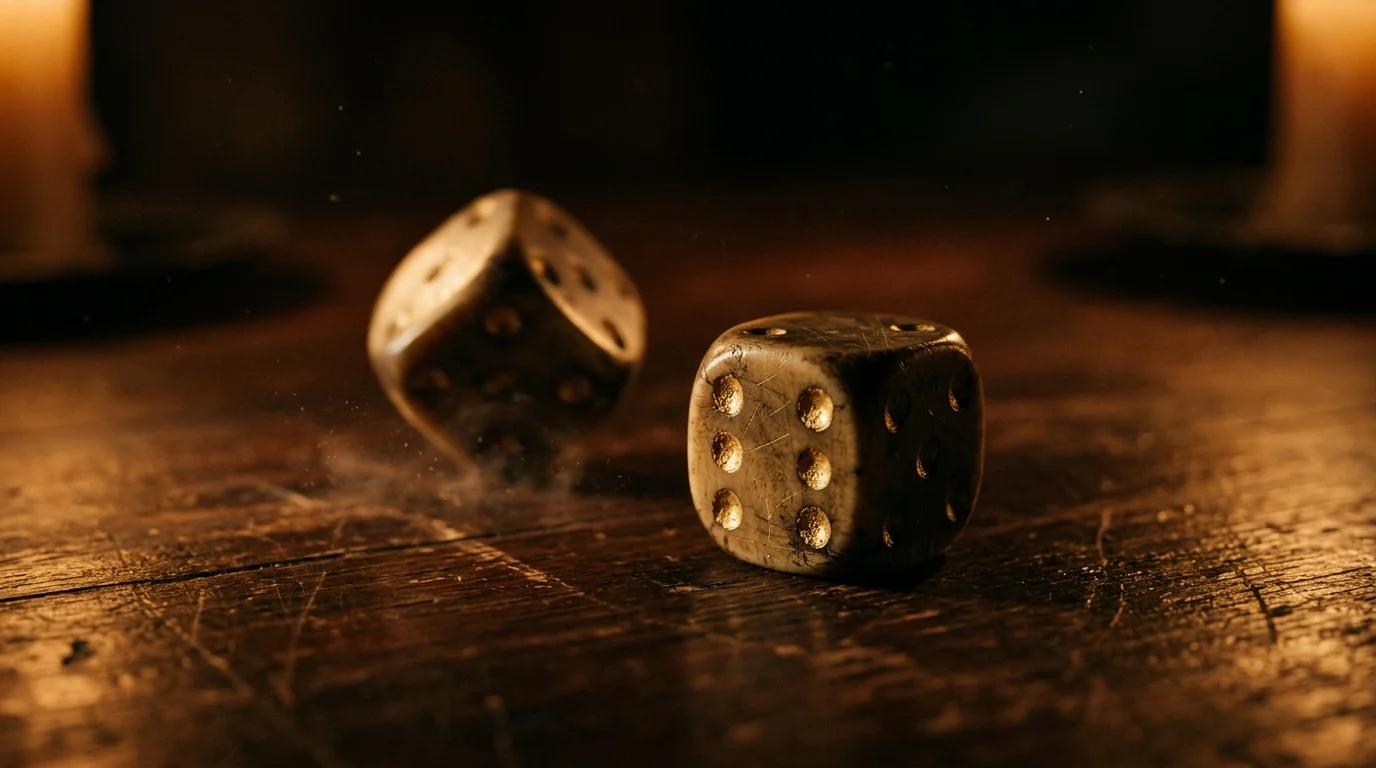
Dice have fascinated people for thousands of years. From ancient games to modern entertainment, these small objects carry meanings that reach far beyond winning or losing. Dice symbolism is commonly associated with luck, chance, fate, risk-taking, uncertainty, and the unpredictable nature of life. A simple roll can represent an unexpected opportunity, a difficult decision, or the courage to accept whatever comes next.
Across different cultures, dice have also represented destiny, fortune, divine guidance, and human choices. Their symbolism reminds us that some things remain outside our control, while our reactions and decisions shape the direction of our lives.
Dice Symbolism Meaning (Clear Definition)
Dice symbolism refers to the symbolic meanings associated with dice, particularly luck, chance, fate, uncertainty, risk, and the outcomes of life’s decisions.
Because dice produce unpredictable results, people often use them as symbols of life’s unexpected events. Each roll represents a possibility, suggesting that the future may hold opportunities and challenges that cannot always be predicted.
In simple terms, dice can symbolize:
- Luck: Unexpected fortune and favorable opportunities.
- Chance: Events influenced by uncertainty.
- Fate: The belief that certain outcomes are beyond human control.
- Risk: Taking chances despite uncertain results.
- Freedom: Accepting different possibilities in life.
- Decision-making: Choosing a direction without knowing the outcome.
- Transformation: Moving into a new chapter through unexpected experiences.
The deeper meaning depends on the situation, culture, and personal interpretation.
What Does Dice Symbolism Represent?
Dice symbolism represents several important ideas connected to human experiences. Their unpredictable nature makes them powerful symbols of the unknown.
Here are some of their most common interpretations.
1. Luck and Good Fortune
Dice are strongly connected to luck. In games, a favorable roll can bring victory, while an unfavorable result can change everything.
Symbolically, dice remind us that good fortune can arrive unexpectedly. They may represent hope, opportunity, and the possibility of positive change.
2. Fate and Destiny
Dice can represent the mysterious relationship between human choices and destiny.
A person may carefully plan their future, but unexpected events can completely change their direction. In this sense, rolling dice reflects the uncertainty of what lies ahead.
3. Risk and Courage
Rolling dice involves accepting an uncertain outcome. This makes them symbols of courage, adventure, and calculated risk.
They can represent the willingness to leave familiar surroundings and explore new possibilities.
4. Uncertainty and the Unknown
Unlike objects with fixed meanings, dice produce different results with every roll.
This quality connects them to life’s unpredictable nature. They remind us that uncertainty is not always something to fear.
5. Personal Choices and Responsibility
Although dice represent chance, they can also encourage reflection about personal decisions.
Life may present unexpected circumstances, but people still choose how to respond. Dice can symbolize the balance between accepting circumstances and taking responsibility.
Spiritual Meaning of Dice Symbolism
The spiritual meaning of dice symbolism often revolves around surrender, trust, divine timing, and accepting life’s uncertainty.
In some spiritual interpretations, rolling dice represents allowing life to unfold without trying to control every detail.
Trusting the Journey
Dice can remind us that we do not always need to know what happens next.
Sometimes, personal growth begins when we accept uncertainty and remain open to new experiences.
Divine Timing and Surrender
Some people interpret dice as symbols of divine timing or spiritual guidance. A roll may represent the belief that certain experiences arrive when they are needed.
However, this is a spiritual interpretation rather than an established universal belief.
Embracing New Opportunities
Dice can also symbolize the courage to welcome change.
They encourage people to recognize opportunities, move beyond fear, and remain hopeful when the future feels uncertain.
Balance Between Control and Acceptance
One important spiritual lesson associated with dice is understanding the difference between what we can control and what we cannot.
We cannot control every outcome, but we can influence our actions, attitudes, and decisions.
Biblical / Religious Meaning of Dice Symbolism
Dice have an interesting connection with biblical history, particularly through the practice of casting lots.
In ancient biblical accounts, people sometimes cast lots to make decisions or determine outcomes.
One well-known example appears in John 19:23–24, where Roman soldiers cast lots for Jesus’ clothing during the crucifixion.
The practice also appears in other biblical passages, including Acts 1:26, when lots were cast during the selection of Matthias to replace Judas.
Casting Lots in Biblical Traditions
Casting lots was an ancient method of making decisions when the outcome was uncertain.
In certain biblical contexts, people understood this practice as a way of seeking God’s direction.
Proverbs 16:33 expresses the idea that although lots are cast, their outcome ultimately rests with God.
Symbolism of Chance and Divine Providence
From a biblical perspective, these passages can encourage reflection on:
- Divine authority over human circumstances.
- Trust in God’s wisdom.
- The limitations of human control.
- The importance of faith during uncertainty.
- The difference between human decisions and divine purpose.
It is important to distinguish biblical casting lots from modern dice games. The practices may resemble one another, but they do not necessarily share the same religious purpose.
Dice Symbolism in History and Culture
Dice have a long history that stretches across ancient civilizations. Archaeological discoveries show that people used dice-like objects for games, entertainment, and activities connected with chance.
An Ancient Indus Die | Harappa
Roman Dice – World History Encyclopedia
Dice | Smithsonian Institution
8
Ancient Civilizations
Ancient dice were not always the familiar six-sided cubes used today.
Some early forms were made from animal bones, particularly knucklebones. People used these objects in games and other activities involving random outcomes.
Archaeological evidence connects early dice and related gaming objects with several ancient societies.
Dice in Ancient Rome
The Romans enjoyed games involving dice, and gambling became part of certain social activities.
Dice were associated with entertainment, fortune, competition, and risk. Their unpredictable results made them natural symbols of luck.
Dice in Ancient India
Dice also played an important role in ancient Indian culture and literature.
One famous example appears in the Mahabharata, where a game of dice becomes a turning point in the story. The episode explores temptation, pride, deception, consequences, and the dangers of gambling.
Dice in Traditional Games
Across different societies, dice became important parts of traditional games.
They have represented:
- Competition and entertainment.
- Fortune and misfortune.
- Social interaction.
- Strategic thinking.
- Unpredictable outcomes.
Over time, dice developed into familiar cultural symbols of chance and possibility.
Dice Symbolism in Literature and Art
Dice frequently appear in literature, paintings, films, and other creative works.
Artists and writers use them to explore the relationship between human decisions and unpredictable circumstances.
Um par de dados de madeira sentado em cima de uma mesa foto – Imagem grátis sobre Dados na Unsplash
THE DIE IS CAST Painting by Laura Muolo | Saatchi Art
Купити сувеніри та ігри бренду Happy Horse за найкращою ціною у Києві, Україні | WINETIME
12
Dice as Symbols of Fate
In literature, dice can represent characters who believe their lives are controlled by destiny.
A character rolling dice may symbolize surrendering to circumstances or allowing chance to determine an important outcome.
Dice as Symbols of Human Weakness
Writers sometimes use dice to represent gambling, temptation, greed, and impulsive behavior.
They can reveal how the desire for quick rewards leads people toward risky decisions.
Dice in Visual Art
Artists often use dice in still-life compositions and symbolic paintings.
Their geometric shape creates visual balance, while their numbered faces represent different possibilities.
A single die can suggest that life holds many possible outcomes, even when only one becomes reality.
Dream Meaning of Dice Symbolism
Dreaming about dice may reflect uncertainty, important decisions, personal risks, or your feelings about the future.
The meaning depends on the dream’s details and your emotional experience.
The Limits of Probability Theory: Can We Model the Truly Unknown? | by Clément Michaud | Medium
Here are some common interpretations.
Dreaming of Rolling Dice
Rolling dice may symbolize an important decision or an uncertain situation in your waking life.
It could reflect your willingness to take a chance or your concerns about an unpredictable outcome.
Dreaming of Winning with Dice
Winning in a dice dream may represent hope, confidence, success, or a desire for favorable circumstances.
It can also reflect your excitement about an opportunity.
Dreaming of Losing with Dice
Losing may symbolize disappointment, fear of failure, or concerns about taking unnecessary risks.
It may encourage you to think carefully before making important decisions.
Dreaming of Broken Dice
Broken dice may represent frustration, disrupted expectations, or a feeling that circumstances are no longer under your control.
Dreaming of Many Dice
Seeing many dice may symbolize several opportunities, competing choices, or different directions in life.
Remember that dream interpretations are subjective. There is no scientifically established meaning that applies to everyone.
Modern Meaning of Dice Symbolism
Today, dice remain powerful symbols in entertainment, popular culture, fashion, and personal expression.
Silver Dice Necklace – Mosaic Sun
9
Dice in Fashion and Jewelry
Dice appear in necklaces, bracelets, earrings, clothing designs, and accessories.
People may choose dice-inspired designs to express their love of games, adventurous personalities, or belief in taking chances.
Dice Tattoos
Dice tattoos often represent luck, risk-taking, freedom, and accepting life’s unpredictable nature.
Some people also associate them with personal memories, gambling culture, or important turning points.
Dice in Gaming and Entertainment
Board games, tabletop role-playing games, and casino games continue to use dice to introduce uncertainty.
In these settings, dice symbolize excitement, competition, strategy, and unexpected possibilities.
Dice as a Symbol of Life
In modern interpretations, dice can represent the idea that life does not always follow a predictable path.
They remind us to make thoughtful decisions while remaining prepared for unexpected changes.
Common Symbolic Meanings of Different Dice
Different dice designs and numbers can carry additional personal or cultural associations.
| Dice Type or Number | Common Symbolic Association |
|---|---|
| Single die | Individual choices and possibilities |
| Pair of dice | Relationships, balance, and cooperation |
| One | Beginnings and independence |
| Two | Partnership and balance |
| Three | Creativity and expression |
| Four | Stability and structure |
| Five | Change and adventure |
| Six | Harmony and completion |
| Six-sided die | Chance and everyday uncertainty |
| Golden dice | Wealth, fortune, and ambition |
| Red dice | Passion, energy, and excitement |
| Black dice | Mystery, risk, and the unknown |
These number and color meanings are interpretive associations, not universal rules. Their significance can vary between individuals and traditions.
FAQS:
1. What Does Dice Symbolism Mean Spiritually?
Dice symbolism spiritually represents uncertainty, trust, surrender, and openness to new possibilities. Some people also connect it with divine timing and accepting life’s unpredictable journey.
2. Are Dice a Symbol of Good Luck?
Yes, dice commonly symbolize good luck and fortune because a favorable roll can produce a positive outcome. However, they can also represent risk and unexpected challenges.
3. What Does Rolling Dice Symbolize in Life?
Rolling dice symbolizes taking chances, making decisions, and accepting uncertain outcomes. It reminds us that we cannot control everything that happens.
4. What Does It Mean to Dream About Dice?
Dreaming about dice may reflect uncertainty, important choices, risk-taking, or concerns about the future. The interpretation depends on the dream’s circumstances and personal emotions.
5. What Do Two Dice Symbolize?
Two dice can symbolize partnership, balance, shared experiences, and the relationship between different possibilities. Their meaning may also depend on the context in which they appear.
Conclusion
Dice symbolism represents the unpredictable nature of life, connecting luck, fate, risk, opportunity, and personal decisions. From ancient civilizations to modern culture, dice have reminded people that every situation carries different possibilities. Their deeper message is simple: although we cannot control every outcome, we can choose how we respond to life’s unexpected turns. Embracing uncertainty with courage and wisdom can make every new beginning meaningful.

I explore the meanings, history, and cultural significance behind symbols, helping readers understand how symbols connect with ideas, emotions, traditions, and everyday life.