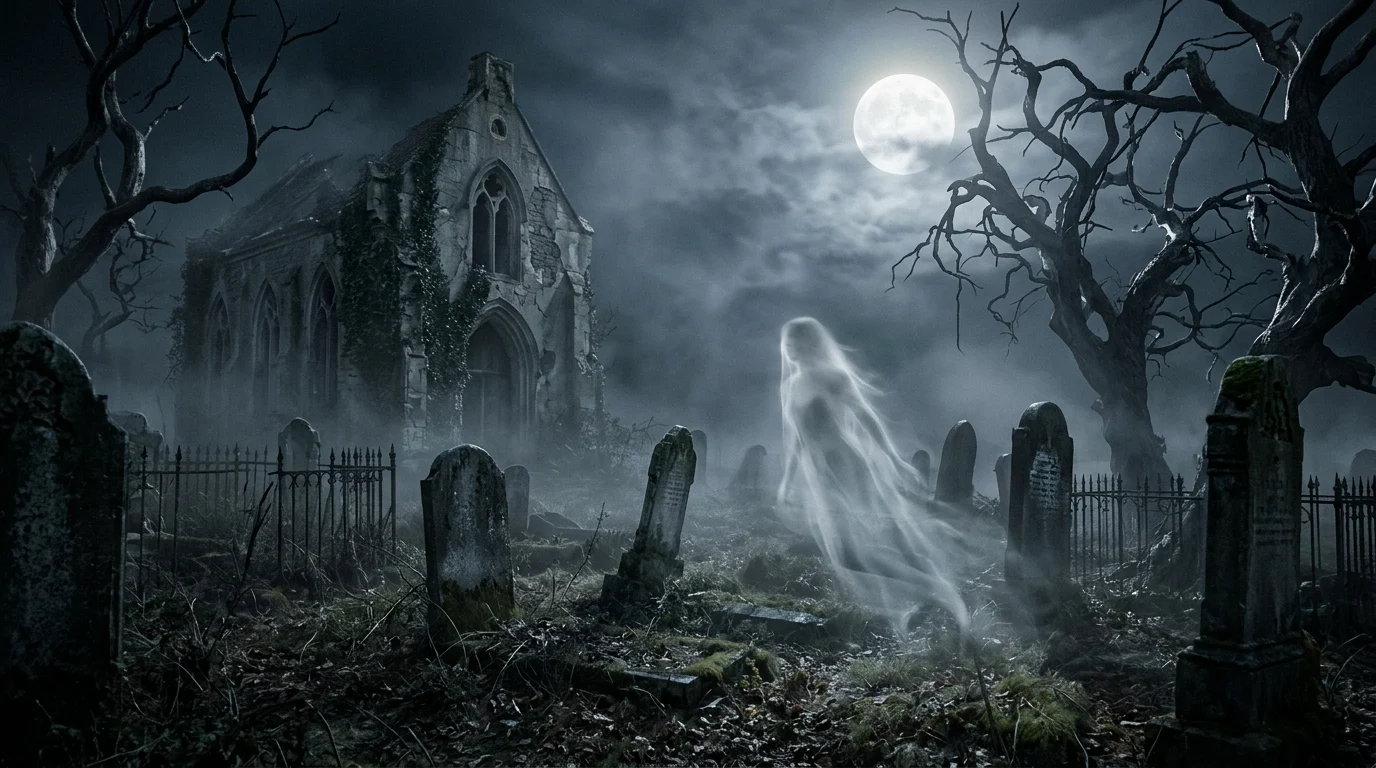
Ghost symbolism explores themes of the past, mystery, memory, unresolved emotions, and the connection between life and death. Across different cultures and spiritual traditions, ghosts often represent the presence of something that remains after its physical form has disappeared. They can symbolize unfinished business, hidden fears, lost loved ones, or messages from the unknown.
A ghost is more than a frightening figure in stories and folklore. It can also represent memories that refuse to fade, emotional attachments, and experiences that continue to influence the present. Understanding ghost symbolism helps reveal why these mysterious figures have remained powerful symbols throughout human history.
Ghost Symbolism Meaning (Clear Definition)
Ghost symbolism refers to the deeper meanings associated with spirits, apparitions, and supernatural figures believed in folklore and spiritual traditions. Ghosts commonly symbolize death, remembrance, unresolved matters, fear, mystery, and the unknown.
In symbolic interpretation, a ghost represents something that is no longer physically present but continues to influence people’s thoughts, emotions, or experiences.
The most common meanings of ghost symbolism include:
- Unfinished business: Unresolved situations or emotions from the past.
- Memory: People, relationships, and experiences that remain unforgettable.
- Death and transition: The mystery of life after death and spiritual transformation.
- Fear: Hidden anxieties and things people struggle to understand.
- Mystery: Questions about existence, the afterlife, and the supernatural.
- Emotional attachment: Difficulty letting go of someone or something.
- Warning: A reminder to recognize unresolved problems or forgotten lessons.
Although ghosts are often associated with frightening experiences, their symbolism can also communicate remembrance, reflection, and personal growth.
What Does Ghost Symbolism Represent?
Ghosts can represent different ideas depending on the situation, cultural background, and personal interpretation. Their meaning often connects to the relationship between the past and the present.
Here are seven important symbolic representations of ghosts.
1. The Past and Unforgettable Memories
Ghosts frequently symbolize memories that continue to affect the present. A person may move forward in life while still carrying emotional experiences from earlier years.
In this sense, a ghost represents something that has disappeared but has not been forgotten.
2. Unfinished Business
In traditional ghost stories, spirits sometimes remain because they have unresolved responsibilities or incomplete experiences.
Symbolically, this idea reflects unfinished relationships, unspoken words, broken promises, and decisions that still need attention.
3. Fear of the Unknown
Ghosts often appear in mysterious settings where people cannot explain what they see or experience.
Therefore, they represent uncertainty, hidden fears, and the human desire to understand things beyond ordinary knowledge.
4. Death and the Afterlife
Ghosts are closely connected to questions about what happens after death. Many traditions use spirits to explore the possibility of existence beyond physical life.
They symbolize mortality, spiritual continuity, and the mystery of human existence.
5. Emotional Attachment
A ghost can represent the emotional presence of someone who is no longer part of everyday life.
This interpretation often appears in stories about lost relationships, grief, and the difficulty of accepting change.
6. Hidden Truths
Ghosts sometimes reveal secrets or forgotten events in literature and folklore.
They can symbolize truths that people have ignored, concealed, or avoided confronting.
7. Transformation and Change
Because ghosts exist between familiar ideas of life and death, they can represent transitions.
Their symbolism may encourage people to accept endings, release old attachments, and welcome new beginnings.
Spiritual Meaning of Ghost Symbolism
The spiritual meaning of ghost symbolism varies across religious beliefs, cultural traditions, and personal experiences. In many spiritual interpretations, ghosts represent the mystery of existence and the relationship between the physical and spiritual worlds.
Some people associate ghosts with spiritual messages, ancestral connections, or unresolved energy. However, these interpretations belong to spiritual and cultural belief systems rather than scientifically established explanations.
Connection Between the Physical and Spiritual Worlds
Ghosts are often imagined as beings that exist between the physical world and the afterlife.
This image represents the human desire to understand whether consciousness or spiritual existence continues beyond physical death.
Messages From the Past
In some traditions, spirits are believed to communicate reminders, warnings, or messages.
Symbolically, this can encourage people to reflect on their history, family relationships, and lessons learned from previous experiences.
Letting Go of Negative Energy
Some spiritual interpretations connect ghosts with emotional burdens and attachments.
A ghost can therefore represent the importance of releasing painful memories, forgiving others, and finding emotional peace.
Spiritual Transformation
Ghosts may also symbolize the transition from one stage of existence to another.
This interpretation encourages reflection on personal growth, acceptance, and the temporary nature of physical life.
Biblical / Religious Meaning of Ghost Symbolism
Ghost symbolism has different meanings across religious traditions. In Christianity, the Bible discusses spirits, death, resurrection, angels, and supernatural appearances, but it does not present every ghost story as evidence of wandering human souls.
One important biblical passage appears in Matthew 14:26, when the disciples see Jesus walking on the water and initially believe they are seeing a ghost.
This account reflects the fear and uncertainty associated with supernatural appearances.
Ghosts and the Christian Understanding of Death
Christian teachings generally emphasize death, resurrection, divine judgment, and eternal life.
The Bible does not establish a general belief that deceased human beings routinely return as ghosts to communicate with the living.
Ghosts in Islamic Beliefs
In Islam, belief in the unseen is an important part of faith. Islamic teachings discuss angels, jinn, the soul, death, and the afterlife.
Jinn are distinct creations and should not automatically be understood as ghosts of deceased human beings. Islamic teachings also emphasize Barzakh, the stage between death and resurrection.
Ghosts in Other Religious Traditions
Different religious and spiritual traditions have their own interpretations of spirits.
- Hinduism: Some traditional beliefs describe certain departed souls as spirits experiencing unresolved conditions.
- Buddhism: Certain Buddhist traditions include hungry ghosts, known as pretas, representing beings affected by intense attachment and unfulfilled desires.
- Chinese traditions: Ancestor spirits play an important role in various cultural and religious practices.
- Japanese traditions: Traditional stories describe yūrei, spirits associated with death, grief, and unfinished matters.
These beliefs demonstrate how different communities have explored the mysteries of death and spiritual existence.
Ghost Symbolism in History and Culture
Ghosts have appeared in human storytelling, religious traditions, and cultural practices for thousands of years.
Ancient civilizations often developed beliefs about spirits to explain death, dreams, unusual experiences, and the connection between living people and their ancestors.
Best Egyptian Temples (for Travelers Short on Time) — sightDOING
What is a Yokai? 30 Mysterious Japanese Demons
Top 5 American Ghost Hauntings – Connect Paranormal Blog
8
Ancient Egyptian Beliefs
Ancient Egyptians believed that human existence involved different spiritual elements. Their funerary traditions focused on preserving the body and preparing the deceased for the afterlife.
Spiritual beings and the dead played important roles in Egyptian religious imagination.
Greek and Roman Traditions
Ancient Greek and Roman stories frequently described spirits of the dead.
Some stories portrayed these spirits as restless figures connected to improper burial, unresolved matters, or unfinished responsibilities.
Japanese Ghost Traditions
Japanese folklore includes the famous yūrei, supernatural figures often associated with strong emotions, tragic deaths, or unfinished relationships.
These spirits became recognizable figures in traditional storytelling, theater, and visual art.
Victorian Ghost Culture
During the Victorian era, interest in spiritualism and supernatural experiences became particularly popular in parts of Europe and North America.
Ghost stories also became an important part of literature, entertainment, and social imagination.
Ghosts in Modern Halloween Traditions
Today, ghosts are among the most recognizable symbols of Halloween.
White sheets, haunted houses, and ghost decorations represent mystery, playful fear, and supernatural entertainment.
Ghost Symbolism in Literature and Art
Ghosts have a powerful place in literature and art because they allow creators to explore complicated human emotions and social issues.
They can represent guilt, grief, injustice, memory, and the consequences of past actions.
Hamlet, dějství I, scéna IV, William Shakespeare (1564-1616) vyrytý Robert Thew (1758-1802)
A Christmas Carol: The Ghost of Christmas Past | Teaching Resources
Gothic castle scene with full moon and dark trees | Deep Dream Generator
7
Ghosts in Shakespeare’s Hamlet
In William Shakespeare’s Hamlet, the ghost of Hamlet’s father introduces themes of revenge, betrayal, truth, and moral responsibility.
The ghost represents the past returning to demand attention and justice.
Ghosts in A Christmas Carol
In Charles Dickens’s A Christmas Carol, supernatural visitors help Ebenezer Scrooge reconsider his behavior.
The ghosts symbolize memory, present choices, future consequences, and the possibility of personal transformation.
Ghosts in Gothic Literature
Gothic literature frequently uses ghosts to create suspense and explore psychological fears.
Haunted houses, mysterious figures, and supernatural events often symbolize secrets, guilt, family history, and hidden suffering.
Ghosts in Visual Art
Artists use ghostly figures, pale colors, shadows, and mysterious backgrounds to communicate absence and emotional uncertainty.
These images can create feelings of loneliness, remembrance, sadness, or spiritual mystery.
Dream Meaning of Ghost Symbolism
Dreaming about ghosts can have different personal meanings depending on the dream’s atmosphere, the people involved, and your emotional response.
Dreams do not have universally established meanings or reliably predict future events. However, ghost dreams can provide an opportunity to reflect on memories, worries, and unresolved feelings.
Here are some common symbolic interpretations.
Dreaming of Seeing a Ghost
Seeing a ghost in a dream may symbolize an old memory, an unresolved concern, or something from your past that remains emotionally important.
It may encourage you to reflect on experiences you have not fully processed.
Dreaming of a Friendly Ghost
A friendly ghost may represent remembrance, emotional comfort, or a connection with someone you miss.
It can also symbolize acceptance of past experiences.
Dreaming of a Scary Ghost
A frightening ghost may reflect anxiety, uncertainty, or fears that you have not confronted.
Consider whether something in your waking life makes you feel uncomfortable or powerless.
Dreaming of a Dead Loved One
Dreaming about someone who has passed away may reflect grief, love, memories, or the importance of that relationship.
Such dreams can feel meaningful without necessarily being supernatural communications.
Dreaming of Being Chased by a Ghost
Being chased by a ghost may symbolize avoidance.
You might be struggling to confront an uncomfortable memory, difficult decision, or unresolved emotional situation.
Dreaming of Becoming a Ghost
Becoming a ghost in a dream may symbolize feeling invisible, misunderstood, disconnected, or overlooked.
It may encourage you to recognize your needs and express yourself more openly.
Modern Meaning of Ghost Symbolism
In modern culture, ghost symbolism extends beyond traditional supernatural beliefs. Ghosts now appear in movies, television, video games, fashion, digital communication, and everyday expressions.
Their meanings have also become more psychological and emotional.
Ghosting and Emotional Absence
The modern expression ghosting describes suddenly ending communication with someone without explanation.
This expression reflects the traditional ghost’s association with disappearance and unexplained absence.
Ghosts as Symbols of Grief
Ghost imagery frequently represents the emotional presence of people who are no longer alive.
It can communicate how love and memories continue to influence someone’s life after loss.
Ghosts in Movies and Entertainment
Horror movies often use ghosts to represent fear, hidden secrets, revenge, and unexplained events.
However, some modern films portray ghosts as emotional or sympathetic characters rather than frightening creatures.
Ghosts and Forgotten History
Ghosts can also symbolize forgotten people, neglected communities, and painful historical events.
In this interpretation, a ghost represents a past that deserves recognition rather than something that should simply disappear.
Common Symbolic Meanings of Ghosts
The following table summarizes the most important interpretations of ghost symbolism.
| Ghost Symbolism | Common Interpretation |
|---|---|
| White ghost | Purity, mystery, and spiritual presence |
| Dark ghost | Fear, hidden emotions, and uncertainty |
| Friendly ghost | Comfort, remembrance, and acceptance |
| Angry ghost | Unresolved conflict and emotional pain |
| Wandering ghost | Searching, uncertainty, and unfinished matters |
| Ghost of a loved one | Love, grief, and memories |
| Haunted house | Family history and unresolved experiences |
| Ghostly shadow | Hidden fears and the unknown |
| Ghostly voice | Unheard feelings or forgotten messages |
| Disappearing ghost | Loss, change, and impermanence |
These meanings are symbolic interpretations rather than universal rules. Personal experiences and cultural backgrounds can influence how someone understands ghost imagery.
FAQS:
1. What Does a Ghost Symbolize Spiritually?
A ghost can spiritually symbolize the connection between the physical world and the unknown. Some traditions also associate ghosts with ancestral memories, unresolved matters, and spiritual transition.
2. Are Ghosts a Symbol of Death?
Yes, ghosts commonly symbolize death and the mystery of the afterlife. They can also represent remembrance, emotional attachment, and the continuation of memories.
3. What Does Seeing a Ghost Symbolize in a Dream?
Seeing a ghost in a dream may represent unresolved emotions, forgotten memories, anxiety, or someone you miss. Its interpretation depends on your personal experiences and feelings during the dream.
4. What Does a Friendly Ghost Represent?
A friendly ghost often represents comfort, remembrance, acceptance, and emotional connection. It may symbolize positive memories of someone or something from the past.
5. Why Are Ghosts Associated With Unfinished Business?
Traditional ghost stories often portray spirits returning because something remains unresolved. Symbolically, this represents unfinished relationships, unspoken feelings, forgotten responsibilities, or unresolved conflicts.
Conclusion
Ghost symbolism represents much more than fear and supernatural mystery. It explores the relationship between the past and present, the uncertainty of death, emotional attachments, and memories that remain meaningful over time. Whether viewed through spiritual traditions, cultural stories, dreams, or modern entertainment, ghosts remind us that some experiences continue to shape our lives long after they have passed.

I explore symbols, special characters, emojis, and their meanings, sharing simple, useful insights to help readers discover, understand, and creatively use symbols in everyday digital communication.