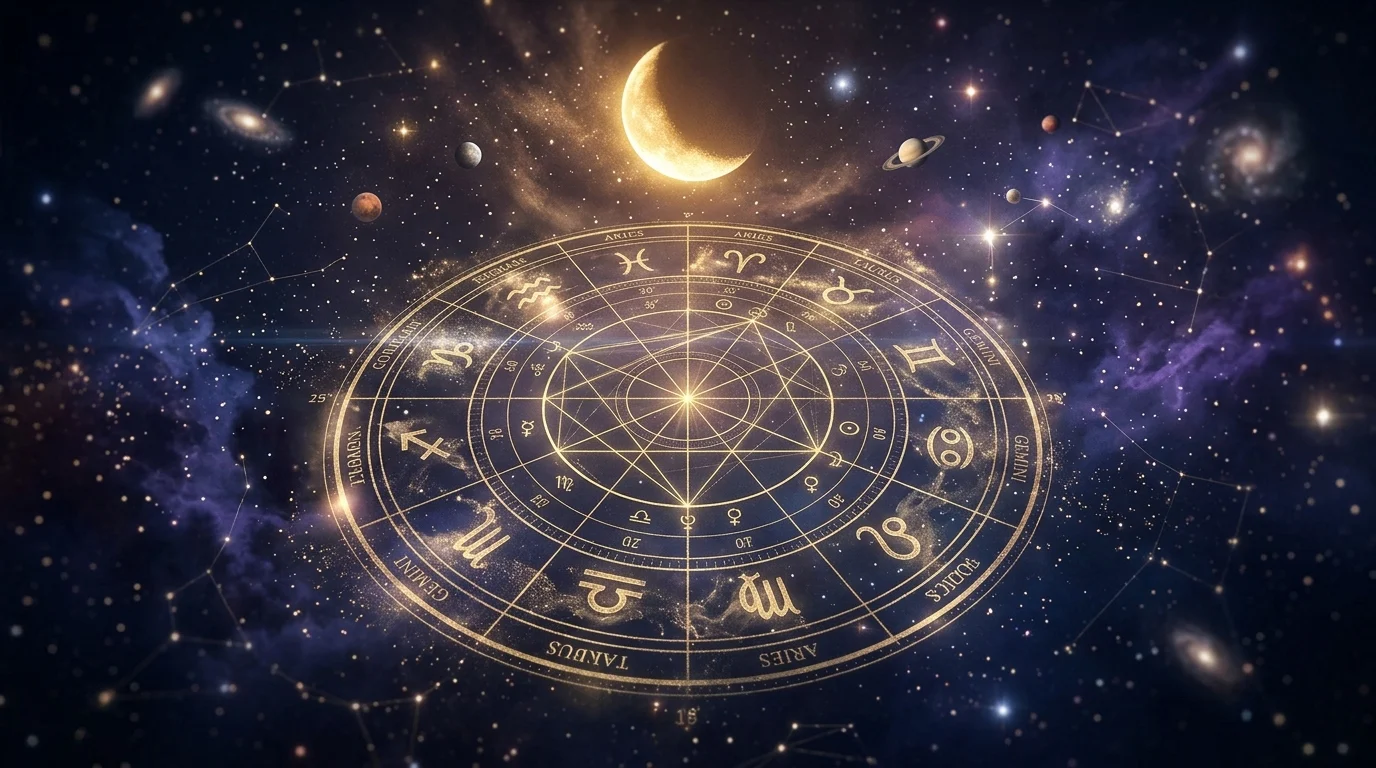
Astrology symbolism explores the deeper meanings behind planets, zodiac signs, houses, and celestial patterns. For centuries, people have used astrology to understand personality, relationships, life experiences, and the connection between human existence and the universe. These symbols represent different energies, qualities, and themes that help people interpret their place in the world.
From the powerful symbolism of the Sun and Moon to the mysterious meanings of planetary movements, astrology offers a rich language of symbolic interpretation. Understanding these meanings can provide a new perspective on personal growth, spiritual reflection, and the natural cycles of life.
Astrology Symbolism Meaning (Clear Definition)
Astrology symbolism refers to the symbolic meanings associated with planets, zodiac signs, astrological houses, and celestial events. Each symbol represents particular qualities, energies, experiences, or areas of human life.
In astrology, the Sun traditionally represents identity and vitality, while the Moon symbolizes emotions and inner feelings. Other planets represent different aspects of personality, communication, love, ambition, and transformation.
Astrological symbols help people interpret birth charts and explore traditional connections between celestial patterns and human experiences.
Some important elements of astrology symbolism include:
- Planets: Represent different psychological qualities and life themes.
- Zodiac signs: Symbolize personality characteristics and elemental energies.
- Astrological houses: Represent different areas of everyday life.
- Planetary aspects: Describe symbolic relationships between planets.
- Celestial events: Represent cycles, transitions, and periods of change.
Together, these elements create a symbolic system that connects the movements of celestial bodies with traditional interpretations of human life.
What Does Astrology Symbolism Represent?
Astrology symbolism represents personality, emotions, relationships, personal challenges, ambitions, and spiritual development. Each celestial symbol carries a traditional interpretation that contributes to the larger meaning of an astrological chart.
Here are some major astrological symbols and their meanings:
| Astrological Symbol | Symbolic Meaning |
|---|---|
| Sun | Identity, confidence, vitality, and purpose |
| Moon | Emotions, intuition, and inner life |
| Mercury | Communication, intelligence, and learning |
| Venus | Love, beauty, harmony, and attraction |
| Mars | Courage, passion, action, and ambition |
| Jupiter | Growth, wisdom, and opportunity |
| Saturn | Responsibility, discipline, and limitations |
| Uranus | Freedom, originality, and unexpected change |
| Neptune | Imagination, dreams, and spirituality |
| Pluto | Transformation, power, and renewal |
These meanings provide a foundation for understanding planetary symbolism.
The Meaning of Zodiac Signs
The twelve zodiac signs also carry distinctive symbolic meanings. Each sign belongs to one of four elements: fire, earth, air, or water.
- Fire signs: Aries, Leo, and Sagittarius symbolize passion, enthusiasm, and action.
- Earth signs: Taurus, Virgo, and Capricorn represent stability, practicality, and patience.
- Air signs: Gemini, Libra, and Aquarius symbolize communication, ideas, and intellectual curiosity.
- Water signs: Cancer, Scorpio, and Pisces represent emotions, intuition, and sensitivity.
These elemental associations help explain the different symbolic qualities traditionally connected with each zodiac sign.
Spiritual Meaning of Astrology Symbolism
The spiritual meaning of astrology symbolism centers on self-discovery, universal connection, personal transformation, and the search for deeper meaning.
Many spiritual traditions view celestial patterns as reflections of larger natural cycles. Within these interpretations, planetary movements and zodiac signs provide symbolic ways to think about personal experiences and spiritual development.
Several spiritual themes appear throughout astrology.
Self-Discovery and Inner Awareness
Astrology encourages people to explore their strengths, weaknesses, emotions, and motivations.
For example, the Sun sign traditionally represents conscious identity, while the Moon sign relates to emotional needs. Reflecting on these symbols can help people understand different aspects of themselves.
Universal Connection
Astrology symbolism reflects the traditional belief that human experiences connect with the wider rhythms of the universe.
The changing seasons, lunar phases, and planetary cycles provide symbolic reminders of movement, balance, and renewal.
Transformation and Personal Growth
Some planetary symbols represent important themes of personal development.
Saturn symbolizes discipline and responsibility, while Pluto represents transformation and the process of releasing old patterns.
Together, these interpretations encourage reflection, patience, and personal growth.
Balance Between Different Energies
Astrology also explores symbolic balance.
For example, fire represents action, while water represents emotion. Earth symbolizes practicality, whereas air represents thought and communication.
These elements provide a symbolic framework for considering different qualities within human experience.
Biblical / Religious Meaning of Astrology Symbolism
Astrology symbolism has a complicated relationship with religious traditions, particularly within Christianity, Islam, and Judaism.
Different religions approach celestial signs and their meanings in different ways. Some ancient cultures connected stars and planets with divine beings, while several religious traditions distinguish between observing the heavens and attempting to predict human destiny through astrology.
Astrology Symbolism in Christianity
The Bible contains references to stars, the Sun, the Moon, and other celestial signs.
In Genesis, the heavenly lights serve as signs for seasons, days, and years. The Star of Bethlehem also holds an important place in the Christian story of the birth of Jesus.
However, many Christian interpretations caution against using astrology for fortune-telling or placing celestial objects above divine guidance.
Astrology Symbolism in Islam
Islam recognizes the Sun, Moon, and stars as signs of Allah’s creation.
The Quran refers to celestial bodies in discussions of divine power, timekeeping, and the natural order. Islamic teachings generally distinguish astronomical observation from astrology that claims knowledge of the unseen or predicts destiny.
Astrology Symbolism in Ancient Religious Traditions
Ancient civilizations often connected planets and stars with gods, spiritual forces, and sacred stories.
Babylonian, Egyptian, Greek, and Roman traditions developed different interpretations of celestial symbols.
These historical connections helped shape many astrological meanings that remain recognizable today.
Astrology Symbolism in History and Culture
Astrology symbolism has influenced human civilization for thousands of years. Ancient societies studied the movements of celestial bodies and developed symbolic systems to interpret their relationship with earthly events.
Different cultures contributed important ideas to the development of astrology.
Babylonian Astrology
Babylonian astrology played an important role in the development of Western astrology.
Babylonian astronomers carefully observed planetary movements and recorded celestial events. They developed zodiacal traditions that later influenced Greek and Roman astrological systems.
Ancient Egyptian Astrology
Ancient Egyptians connected celestial patterns with religious beliefs, seasonal cycles, and the divine order.
The star Sirius held particular importance because its annual appearance was associated with the seasonal flooding of the Nile.
Egyptian traditions also connected certain stars and constellations with gods and religious stories.
Greek and Roman Astrology
Greek thinkers developed philosophical and mathematical approaches to astrology.
The twelve-sign zodiac became an important part of the system, while planets received symbolic associations influenced by Greek and Roman mythology.
For example, Venus became associated with love and beauty, while Mars represented war and courage.
Astrology in Asian Cultures
Chinese astrology developed its own symbolic framework based on twelve animal signs and the five elements.
Indian astrology, commonly known as Jyotisha or Vedic astrology, developed traditions involving planetary positions, lunar mansions, and birth charts.
These systems demonstrate how different civilizations created unique ways of interpreting celestial patterns.
Astrology Symbolism in Literature and Art
Astrology symbolism has inspired artists, writers, poets, and storytellers throughout history.
Celestial imagery often represents destiny, love, mystery, conflict, and the relationship between humanity and the universe.
Planetary Symbols in Art
Artists have frequently used planetary symbols to communicate particular qualities.
- The Sun represents life, power, and enlightenment.
- The Moon symbolizes mystery, femininity, and emotional depth.
- Venus represents beauty, romance, and attraction.
- Mars symbolizes conflict, courage, and strength.
- Saturn often represents time, aging, and limitations.
These symbolic associations appear in paintings, sculptures, decorative objects, and historical manuscripts.
Zodiac Signs in Literature
Writers sometimes use zodiac signs to describe personality traits, relationships, and human behavior.
A fiery Aries character might symbolize courage and independence, while a thoughtful Virgo character might represent precision and careful observation.
These associations allow writers to create recognizable symbolic themes without explaining every character’s personality directly.
Celestial Imagery and Creative Expression
Stars, constellations, and planetary movements frequently appear in poetry and fiction.
A rising Sun may represent hope and a fresh beginning, while a dark Moon can suggest uncertainty, mystery, or emotional reflection.
Through these images, astrology symbolism gives creative works additional layers of meaning.
Dream Meaning of Astrology Symbolism
Dreams involving astrology, zodiac signs, planets, or stars may reflect curiosity about identity, personal direction, relationships, and the future.
The meaning depends on the dreamer’s emotions, experiences, and the details of the dream. There is no scientifically established universal meaning for astrological dream symbols.
Here are some possible symbolic interpretations:
| Dream Symbol | Possible Interpretation |
|---|---|
| Seeing zodiac signs | Self-discovery and personal identity |
| Dreaming about planets | Life changes and personal priorities |
| Seeing bright stars | Hope, inspiration, and ambition |
| Watching the Moon | Emotional awareness and intuition |
| Seeing the Sun | Confidence, energy, and new beginnings |
| Reading a birth chart | Searching for direction or understanding |
Dreaming About Zodiac Signs
Seeing zodiac signs in a dream may reflect an interest in personality, relationships, or understanding yourself.
It can also represent your desire to explore different sides of your character.
Dreaming About Planets
Planets may symbolize different concerns or experiences depending on their appearance and the dream’s emotional atmosphere.
For example, dreaming about Venus might bring attention to love and relationships, while Saturn could reflect responsibilities or personal challenges.
Dreaming About Stars and Constellations
Stars and constellations may represent hope, ambition, guidance, and a desire to find direction.
Such dreams can encourage you to think about your goals and the path you want to follow.
Modern Meaning of Astrology Symbolism
In modern culture, astrology symbolism remains popular as a tool for self-expression, personal reflection, and creative exploration.
People use zodiac signs, birth charts, and planetary symbols in different ways, from understanding traditional astrological interpretations to expressing their identities through fashion, jewelry, and artwork.
Astrology and Personal Identity
Many people use their Sun, Moon, and rising signs to explore different aspects of their personalities.
In traditional astrology:
- The Sun sign represents identity and conscious expression.
- The Moon sign represents emotional nature and inner needs.
- The rising sign represents outward presentation and first impressions.
These three placements are commonly called the Big Three.
Astrology and Relationships
Astrological compatibility is another popular modern application.
People compare zodiac signs and birth charts to explore traditional ideas about emotional connection, communication, attraction, and relationship dynamics.
However, astrology does not scientifically establish whether two people will have a successful relationship.
Astrology in Fashion and Jewelry
Astrological symbols have become recognizable design elements.
Zodiac necklaces, constellation tattoos, planetary artwork, and celestial clothing allow people to express personal interests and symbolic beliefs.
Astrology and Self-Reflection
For many people, astrology provides a language for thinking about personal experiences.
A birth chart may inspire questions about ambition, emotional needs, communication, and relationships.
Its greatest practical value can come from thoughtful reflection rather than treating astrological interpretations as fixed predictions.
FAQS:
1. What Is the Main Meaning of Astrology Symbolism?
Astrology symbolism refers to the traditional meanings associated with planets, zodiac signs, houses, and celestial patterns. These symbols represent different qualities, experiences, and themes in human life.
2. What Do Planets Symbolize in Astrology?
Each planet represents a different symbolic theme. For example, Venus represents love and beauty, Mars represents action and courage, and Jupiter symbolizes growth and wisdom.
3. What Is the Spiritual Meaning of Zodiac Signs?
Spiritually, zodiac signs are often interpreted as symbols of different energies, personal qualities, and opportunities for self-discovery. Their meanings vary across astrological and spiritual traditions.
4. What Does the Sun Symbolize in Astrology?
The Sun traditionally symbolizes identity, vitality, confidence, and personal purpose. It represents the central expression of personality in a birth chart.
5. Is Astrology Symbolism Based on Science?
Astrology is a historical and symbolic belief system rather than a scientifically established method of predicting personality or future events. Its symbols can still serve as cultural references and tools for personal reflection.
Conclusion
Astrology symbolism offers a fascinating way to explore the traditional connections between celestial bodies and human experiences. From planetary meanings and zodiac signs to spiritual interpretations and cultural traditions, these symbols represent identity, emotions, transformation, and personal growth.
Whether you explore astrology through birth charts, ancient mythology, or modern creative expression, its symbolic language can inspire curiosity and deeper self-reflection. Ultimately, astrology is best understood as a rich cultural tradition rather than a scientifically proven guide to destiny.

I explore the meanings and stories behind symbols, helping readers understand their cultural, spiritual, and everyday significance through clear, engaging, and meaningful insights.