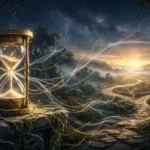
Wind symbolism represents freedom, change, movement, invisible forces, and the power of transformation. Although we cannot see the wind itself, we can feel its presence through moving leaves, swaying trees, and shifting clouds. This makes wind a powerful symbol of forces that influence our lives without always revealing themselves.
Across different cultures, wind has inspired stories about renewal, spiritual guidance, uncertainty, and personal growth. A gentle breeze may suggest peace and hope, while a powerful storm may represent conflict, challenges, or dramatic change. Understanding wind symbolism can help us explore its deeper meanings in nature, religion, literature, dreams, and everyday life.
Wind Symbolism Meaning (Clear Definition)
Wind symbolism refers to the symbolic meanings people associate with moving air, including freedom, change, energy, communication, and the unseen forces that shape life.
Wind often represents movement because it travels freely across landscapes without visible boundaries. It can also symbolize change because its direction and strength shift constantly.
The meaning of wind depends on its context. A soft breeze may create feelings of comfort and renewal, while a violent wind may suggest disruption, danger, or emotional turmoil.
Common meanings of wind symbolism include:
- Freedom: The ability to move beyond limitations and explore new possibilities.
- Change: The arrival of new circumstances, opportunities, or challenges.
- Transformation: The process of releasing the past and embracing growth.
- Invisible forces: Influences that affect our lives even when we cannot see them.
- Communication: The movement of ideas, messages, and inspiration.
- Renewal: A fresh beginning after a difficult period.
- Uncertainty: The unpredictable nature of life and the future.
Ultimately, wind reminds us that some of life’s most powerful influences remain invisible yet deeply meaningful.
What Does Wind Symbolism Represent?
Wind symbolism represents several connected ideas, from personal freedom to the unpredictable nature of existence. Its meaning often changes according to its intensity, direction, and surroundings.
1. Freedom and Independence
Wind moves across oceans, mountains, and open fields without following visible paths. For this reason, people often associate it with independence and freedom.
Symbolically, wind can encourage you to question limitations, explore unfamiliar experiences, and create a life that reflects your values.
2. Change and New Beginnings
Wind frequently signals changing weather. A breeze may arrive before rain, a storm, or a clear sky, making it a natural symbol of transition.
In everyday life, wind can represent a new chapter, a change in perspective, or an unexpected opportunity. It reminds us that change can bring both challenges and possibilities.
3. Invisible Power
Although air remains largely invisible, wind can move heavy branches, shape coastlines, and influence entire ecosystems.
This makes wind a symbol of unseen power. It can represent emotions, ideas, relationships, and personal strengths that others may not immediately recognize.
4. Emotional Release
A cool breeze can feel refreshing after a stressful day. Symbolically, wind may represent the release of emotional pressure, lingering worries, or thoughts that no longer serve us.
A strong wind can also reflect inner restlessness or feelings that seem difficult to control.
5. Uncertainty and Instability
Wind changes direction and intensity without always providing warning. Consequently, it can represent unpredictable circumstances and the difficulty of controlling every outcome.
This interpretation encourages flexibility. Rather than resisting every change, we can learn to respond thoughtfully to circumstances beyond our control.
Spiritual Meaning of Wind Symbolism
The spiritual meaning of wind often centers on life energy, renewal, intuition, and connection with something greater than ourselves.
Many spiritual traditions associate moving air with invisible life forces. However, these interpretations vary across cultures and belief systems rather than representing one universal spiritual explanation.
Wind as a Sign of Spiritual Change
A breeze may serve as a personal reminder that growth often begins before we can recognize its results.
For someone going through a major life transition, wind may symbolize the gradual release of old habits, beliefs, or expectations. It can encourage openness to new experiences without suggesting that a particular event predicts the future.
Wind and Life Energy
Many philosophical and spiritual traditions connect breath with life itself. Since wind and breathing both involve moving air, they often appear together in symbolic discussions of vitality and existence.
In this context, wind may represent renewed energy, awareness, and the connection between the individual and the natural world.
Wind as Intuition and Guidance
People sometimes interpret a gentle breeze or a sudden gust as a meaningful personal experience. In spiritual reflection, such moments may encourage them to pause, examine their feelings, or consider a difficult decision from a new perspective.
Still, a natural breeze does not objectively prove that a supernatural message has arrived. Its significance depends on personal belief and interpretation.
Wind and Letting Go
Wind can carry seeds, scatter leaves, and clear away loose debris. These natural movements make it a fitting symbol for releasing emotional burdens.
Spiritually, wind may remind you to stop holding tightly to outdated expectations and make room for a healthier future.
Biblical / Religious Meaning of Wind Symbolism
Wind holds important symbolic meaning in several religious traditions, particularly in the Bible. Its interpretation depends on the passage, where it may represent divine power, judgment, renewal, or the mysterious activity of the Spirit.
Wind in the Bible
In the biblical tradition, wind sometimes appears as an instrument of God’s power over nature. In Exodus 14, a strong east wind helps divide the waters of the Red Sea, allowing the Israelites to cross.
This account connects wind with deliverance, divine intervention, and the movement from danger toward freedom.
Wind as a Symbol of the Holy Spirit
In John 3:8, Jesus compares the Spirit’s work to the wind. The passage emphasizes that the wind blows where it wishes and that people can hear its sound without controlling or fully understanding its movement.
This comparison makes wind a symbol of spiritual mystery, freedom, and an unseen power whose effects become visible through experience.
Wind and Pentecost
Acts 2 describes the sound of a rushing mighty wind accompanying the arrival of the Holy Spirit at Pentecost.
Within Christian interpretation, this imagery connects wind with spiritual empowerment, renewal, and the beginning of a new stage in the disciples’ mission.
Wind in Other Religious Traditions
Other religious and philosophical traditions also connect breath and air with life, spirit, or vital energy.
For example, the Sanskrit term prana refers to life force in Indian philosophical and yogic traditions. It relates closely to breath and vital energy, although it should not be treated as identical to meteorological wind.
These examples show how moving air can provide a powerful way to express invisible spiritual realities.
Wind Symbolism in History and Culture
Throughout history, people have connected wind with the forces that sustain life, threaten communities, and influence human destiny.
Because wind affects weather, agriculture, travel, and survival, its cultural meanings often reflect the environment in which people live.
Ancient Greek Wind Symbolism
In ancient Greek mythology, the Anemoi represented the directional winds. Boreas personified the north wind, Zephyrus the west wind, Notus the south wind, and Eurus the east wind.
These figures connected wind with seasonal changes, weather patterns, and the unpredictable power of nature.
Wind in Indigenous and Traditional Cultures
Different Indigenous peoples and traditional communities understand wind through their own histories, languages, and spiritual practices. Some traditions give particular winds ceremonial or ancestral significance, while others emphasize their environmental and practical importance.
There is no single Indigenous interpretation of wind. Each community’s understanding deserves consideration within its specific cultural context.
Wind in Asian Philosophical Traditions
Wind appears in several Asian religious and philosophical systems as part of broader ideas about nature, change, and the relationship between the body and the world.
In Buddhism, for example, air or wind can appear among traditional elemental frameworks used to describe physical qualities and processes. Interpretations differ across Buddhist schools and teachings.
Wind as a Symbol of Destiny
In maritime cultures, wind has long influenced travel, trade, exploration, and survival. Sailors depended on favorable winds to reach destinations, while unexpected storms could threaten entire journeys.
This history helps explain why wind can symbolize both opportunity and uncertainty. A favorable wind suggests progress, while an opposing wind represents resistance.
Wind Symbolism in Literature and Art
Writers and artists frequently use wind to express feelings, create atmosphere, and suggest forces that remain beyond human control.
Because wind changes the world around it without taking a visible shape, it works especially well as a metaphor for emotions and transformation.
Wind as a Literary Symbol
In poetry and fiction, wind may represent freedom, longing, loneliness, or approaching change.
A gentle breeze can create a peaceful atmosphere, while a howling wind may suggest fear, conflict, or emotional distress. Writers can also use wind to signal a turning point in a character’s journey.
Wind and Romanticism
Romantic writers often emphasized nature’s emotional and imaginative power. Wind could express the freedom of the natural world, the intensity of human feelings, or the limits of rational control.
In this tradition, nature does more than provide a setting. It becomes a way to explore the human relationship with mystery, beauty, and uncertainty.
Wind in Visual Art
Artists can suggest wind through flowing hair, tilted trees, moving clouds, rippling water, or fabric caught in a gust.
These details make an invisible force visible through its effects. A still landscape may communicate peace, while a scene filled with twisting branches can suggest danger or dramatic change.
Wind as a Metaphor for Human Life
Wind also appears in everyday expressions about changing circumstances, shifting fortunes, and going where life leads.
Such imagery reflects a familiar experience: people cannot control every external force, but they can choose how to respond to it.
Dream Meaning of Wind Symbolism
Dreams about wind can reflect personal emotions, recent experiences, concerns, or hopes. Their meanings are not universal predictions, so the most useful interpretation considers the dream’s details and the feelings it creates.
Dreaming of a Gentle Breeze
A gentle breeze may symbolize calm, emotional relief, hope, or a desire for peace.
If the breeze feels pleasant, consider whether you are entering a more comfortable stage of life or finding space to relax.
Dreaming of Strong Winds
Strong winds may reflect pressure, uncertainty, or a feeling that circumstances are changing too quickly.
Think about whether work, relationships, or personal responsibilities have recently made you feel unsettled.
Dreaming of a Windstorm
A violent windstorm may symbolize conflict, overwhelming emotions, or fear of losing control.
However, such a dream does not mean that a real disaster will occur. It may simply reflect stress or the mind’s way of processing intense experiences.
Dreaming of Wind at Your Back
Wind pushing you forward may suggest motivation, confidence, or a feeling of support as you pursue a goal.
It can serve as a useful prompt to consider which opportunities are helping you make progress.
Dreaming of Wind Against You
An opposing wind may represent resistance, frustration, or obstacles that slow your progress.
The dream may encourage you to reconsider your approach, seek support, or give yourself more time to reach your goals.
Modern Meaning of Wind Symbolism
Today, wind symbolism continues to appear in personal reflection, environmental awareness, creative expression, and popular culture.
Its enduring appeal comes from the way it connects an ordinary natural phenomenon with experiences that almost everyone understands.
Wind and Personal Growth
Wind can symbolize the courage to embrace change rather than remain attached to familiar circumstances.
For example, starting a new job, moving to a different place, or changing a long-held belief may feel like stepping into an unpredictable breeze. The experience can be uncomfortable, but it may also create opportunities for growth.
Wind and Emotional Freedom
Modern interpretations often connect wind with mental clarity and emotional release.
A walk outside on a breezy day can provide a moment to slow down, breathe deeply, and reflect. The wind itself does not guarantee emotional healing, but the experience may help you reconnect with your surroundings.
Wind and Environmental Awareness
Wind is also a real source of renewable energy. Wind turbines convert the movement of air into electricity, linking wind with sustainability, innovation, and a changing energy future.
This practical meaning adds another layer to its symbolism: a natural force that once challenged human survival can also help support modern communities.
Wind as a Reminder to Adapt
Wind rarely moves in a perfectly predictable way. Its changing direction offers a useful metaphor for flexibility and resilience.
Rather than interpreting every unexpected turn as a setback, you can view change as an opportunity to adjust your plans and discover new possibilities.
FAQs:
What Does Wind Symbolize Spiritually?
Wind often symbolizes spiritual renewal, life energy, freedom, intuition, and invisible forces. Its specific meaning depends on personal beliefs and cultural traditions.
Is Wind a Symbol of Change?
Yes, wind commonly symbolizes change because its direction and intensity shift over time. It can represent new beginnings, unexpected challenges, and the need to adapt.
What Does a Gentle Breeze Symbolize?
A gentle breeze often represents peace, comfort, hope, and emotional renewal. In spiritual interpretations, some people also associate it with reflection or a sense of connection.
What Does Strong Wind Symbolize?
Strong wind can symbolize powerful emotions, uncertainty, resistance, or major life changes. Its meaning depends on the situation and whether the wind feels threatening or empowering.
What Does Wind Symbolize in the Bible?
In the Bible, wind can represent God’s power, deliverance, the Holy Spirit, and spiritual renewal. Important examples include Exodus 14, John 3:8, and Acts 2.
Conclusion
Wind symbolism reminds us that freedom, change, and transformation often begin with forces we cannot see or fully control. From its spiritual associations to its role in history, literature, and dreams, wind represents both the uncertainty of life and the possibilities that change can bring. By learning to adapt like the wind, we can approach new experiences with greater openness, resilience, and hope.

I am Jasmine Marie, an administrator at SymbolBuz. I love exploring symbols and sharing their meanings to help readers understand their deeper stories, messages, and significance.