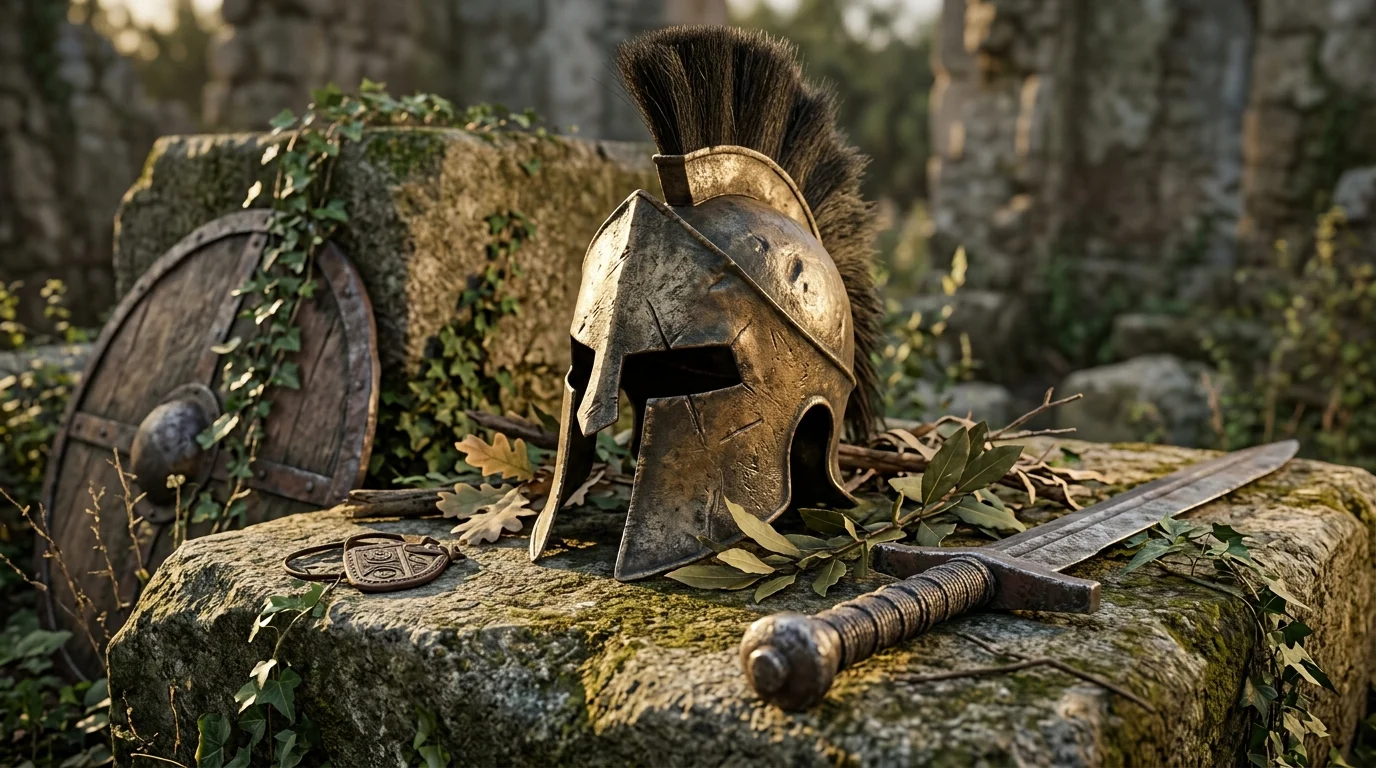
Helmet symbolism represents protection, courage, strength, responsibility, and the desire to defend oneself against physical or emotional harm. Throughout history, helmets have symbolized the bravery of warriors, the wisdom of leaders, and the importance of staying prepared for life’s challenges.
Beyond their practical purpose, helmets carry deeper meanings in spirituality, religion, literature, dreams, and modern society. They can represent personal boundaries, mental resilience, authority, and the determination to face uncertainty with confidence.
Understanding helmet symbolism helps reveal why this everyday object can hold such powerful meaning in different cultures and personal experiences.
Helmet Symbolism Meaning (Clear Definition)
Helmet symbolism refers to the symbolic meanings associated with wearing, seeing, or using a helmet. Most commonly, a helmet represents safety, protection, courage, discipline, and readiness to face challenges.
A helmet protects the head, which is associated with thought, intelligence, identity, and decision-making. Symbolically, it can therefore represent the protection of one’s mind, beliefs, values, and emotional well-being.
The meaning of a helmet often depends on its context. A soldier’s helmet may represent bravery and sacrifice, while a bicycle helmet may symbolize responsibility and awareness. A helmet appearing in a dream might reflect a need for security or a desire to feel emotionally prepared.
At its core, helmet symbolism reminds us that strength involves not only confronting difficulties but also protecting what matters most.
What Does Helmet Symbolism Represent?
Helmet symbolism has several interconnected interpretations. Although meanings vary across cultures and circumstances, certain themes appear repeatedly.
1. Protection and Safety
The most direct meaning of a helmet is protection. Symbolically, it represents the need to safeguard yourself from danger, harmful influences, emotional pain, or negative experiences.
A helmet can serve as a reminder to establish healthy boundaries and make thoughtful decisions before entering uncertain situations.
2. Courage and Bravery
Helmets are closely associated with soldiers, knights, firefighters, and other people who face danger. They symbolize the courage required to confront difficult circumstances.
This symbolism does not suggest that brave people never feel afraid. Instead, it highlights the importance of preparation and perseverance even when fear is present.
3. Strength and Resilience
A helmet can represent the ability to withstand pressure without losing your sense of identity or purpose.
In a symbolic sense, it reminds us to remain steady during adversity, learn from setbacks, and continue moving forward.
4. Wisdom and Mental Clarity
Because a helmet protects the head, it can symbolize the protection of thoughts, judgment, and intellectual independence.
This interpretation encourages people to think critically, resist harmful influences, and remain grounded when making important decisions.
5. Authority and Leadership
Historically, distinctive helmets often identified military rank, social position, or membership in a particular group.
As a result, helmet symbolism can communicate authority, discipline, responsibility, and the burden of leadership.
6. Identity and Belonging
Helmets can also distinguish one person or group from another. A knight’s helmet, a sports helmet, or a ceremonial headpiece may express shared values, professional identity, or loyalty to a community.
In this sense, a helmet represents both individual identity and the responsibilities that come with belonging to a group.
Symbolic Meanings of Helmets at a Glance
| Symbolic meaning | What it represents |
| Protection | Safety, security, and personal boundaries |
| Courage | Facing fear and overcoming obstacles |
| Strength | Endurance and emotional resilience |
| Wisdom | Clear thinking and sound judgment |
| Authority | Leadership, discipline, and responsibility |
| Identity | Individuality and group belonging |
| Readiness | Preparation for challenges and change |
| Sacrifice | Service, duty, and commitment to others |
These interpretations are not universal rules. The type of helmet, the situation in which it appears, and the person’s cultural background can all influence its meaning.
Spiritual Meaning of Helmet Symbolism
Spiritually, helmet symbolism is often associated with inner protection, awareness, faith, and the ability to remain centered during difficult experiences.
A helmet may serve as a metaphor for protecting your inner world while navigating external pressures. It can encourage you to preserve your values, strengthen your beliefs, and approach uncertainty with greater confidence.
Spiritual Protection
One common spiritual interpretation is protection from negativity. The helmet represents a symbolic shield against discouragement, destructive influences, and thoughts that interfere with personal growth.
This does not necessarily imply supernatural protection. For many people, it is a meaningful reminder to maintain emotional balance and choose their influences carefully.
Mental and Emotional Strength
A helmet can represent the ability to protect your peace of mind.
When life becomes overwhelming, this symbolism encourages you to pause, reflect, and respond thoughtfully instead of allowing stress or fear to control your decisions.
Awakening and Awareness
Because helmets cover the head, they can also symbolize awareness and the responsibility to use one’s mind wisely.
From a spiritual perspective, this may mean becoming more conscious of your thoughts, recognizing unhelpful patterns, and developing a deeper understanding of your purpose.
Readiness for a New Chapter
Seeing a helmet as a spiritual symbol may suggest preparation for a period of growth or change. It can remind you that meaningful progress requires both courage and discernment.
Rather than treating the symbol as a prediction, consider it an invitation to reflect on what you need to protect, what you are preparing for, and where you need greater confidence.
Biblical / Religious Meaning of Helmet Symbolism
In Christianity, the helmet carries a particularly important symbolic meaning through the biblical image of the helmet of salvation.
Ephesians 6:17 instructs believers to take the helmet of salvation as part of the armor of God. In this passage, the helmet is associated with spiritual defense and the confidence that comes from salvation.
The Helmet of Salvation
The helmet of salvation is part of the spiritual armor described in Ephesians 6:10–18. The passage uses the equipment of a soldier as a metaphor for remaining faithful and prepared amid spiritual struggles.
The helmet represents the importance of salvation and the assurance associated with God’s saving work.
It can also remind Christians to protect their minds through faith, hope, and an understanding of their identity in God.
Protection Against Spiritual Struggles
In Christian interpretation, the helmet is not primarily a promise of physical safety. Instead, it symbolizes spiritual preparedness and the strength to remain faithful when facing temptation, doubt, or adversity.
The imagery encourages believers to cultivate a sound mind and stand firm in their convictions.
Helmet Symbolism in Other Religious Contexts
Religious and spiritual traditions do not all assign the same meaning to helmets. In some historical traditions, protective headgear appears in ceremonial dress or warrior imagery, where it may signify honor, duty, or readiness to defend a community.
However, the Christian helmet of salvation has a specific biblical context and should not automatically be treated as equivalent to every other religious symbol.
Helmet Symbolism in History and Culture
Helmets have played important roles in warfare, ceremonial life, sports, and occupational safety. Their symbolic significance has evolved alongside their practical use.
Ancient Warriors and Military Honor
In ancient civilizations, helmets protected soldiers and sometimes communicated rank, status, or group identity.
Greek and Roman military imagery frequently connected helmets with discipline, courage, and service. Elaborate designs could also convey prestige or authority.
In these contexts, the helmet became a recognizable symbol of a warrior’s readiness to defend a community or fulfill a duty.
Medieval Knights and Chivalry
Medieval helmets are strongly associated with knights, castles, and tales of heroic quests.
A knight’s helmet can symbolize bravery, loyalty, honor, and the willingness to protect others. In stories and popular imagery, it often represents the ideal of a defender who combines physical strength with moral responsibility.
Yet historical reality was more complex: knights and their equipment served practical military purposes, and their conduct did not always match later ideals of chivalry.
Samurai and Warrior Traditions
The kabuto, a traditional Japanese samurai helmet, could feature distinctive shapes, crests, and decorative elements.
Depending on the historical context, these features communicated identity, status, affiliation, or personal distinction. Today, samurai helmets also appear in cultural art and popular representations of discipline and warrior heritage.
Their meaning should be understood within Japanese history rather than reduced to a single universal interpretation.
Modern Safety Culture
In modern society, helmets are essential in activities such as cycling, motorcycling, construction, and many contact sports.
Here, their symbolism has expanded beyond warfare. A helmet represents prevention, responsibility, professional competence, and respect for human life.
Wearing a helmet can communicate a simple but powerful principle: protecting yourself is an important part of being prepared.
Helmet Symbolism in Literature and Art
In literature and art, helmets often communicate meaning without requiring lengthy explanations. Their appearance can immediately suggest conflict, protection, identity, or transformation.
The Helmet as a Heroic Symbol
In epic poetry, mythology, and heroic fiction, helmets frequently appear alongside swords, shields, and other elements of a warrior’s equipment.
They help establish a character as a fighter, guardian, leader, or person preparing for a difficult journey.
A shining helmet may suggest glory or honor, while a damaged helmet may communicate the cost of conflict.
The Helmet as a Symbol of Hidden Identity
A helmet that conceals the face can represent anonymity, secrecy, or the separation between public identity and private self.
This symbolism appears in stories featuring masked warriors, mysterious guardians, and characters who hide their identities to fulfill a duty or protect someone.
The helmet may raise an important question: who is the person beneath the protective exterior?
The Broken Helmet
A broken or abandoned helmet can suggest defeat, vulnerability, sacrifice, or the end of a struggle.
In a painting or story about war, it may emphasize the human consequences of conflict rather than celebrate military victory.
Its precise meaning depends on the surrounding imagery and the artist’s intention.
The Helmet as a Symbol of Transformation
Putting on a helmet can represent accepting a new role or preparing to face a challenge.
Removing one may suggest relief, trust, openness, or a willingness to reveal one’s true identity.
Writers and artists use these visual contrasts to explore the relationship between protection and vulnerability.
Dream Meaning of Helmet Symbolism
Dreaming about a helmet may reflect your feelings about safety, confidence, responsibility, or the challenges you are facing. However, dream meanings are subjective, and there is no scientific basis for assuming that a particular helmet dream predicts a specific event.
The most useful interpretation considers the dream’s details and your emotions during the experience.
Dreaming of Wearing a Helmet
Wearing a helmet in a dream may symbolize preparation, caution, or a desire to feel protected.
It could reflect a situation in which you are preparing for change, managing uncertainty, or trying to avoid unnecessary risks.
Dreaming of a Broken Helmet
A broken helmet may represent feelings of vulnerability or concern that your usual defenses are no longer enough.
Consider whether you have been feeling overwhelmed, exposed, or uncertain about a decision. The dream may provide an opportunity to reflect on those emotions rather than predict failure.
Dreaming of Losing a Helmet
Losing a helmet may symbolize insecurity, a loss of control, or concern about being unprepared.
It might also reflect a transition in which familiar sources of comfort or protection are changing.
Dreaming of a New Helmet
A new helmet may represent a fresh beginning, increased confidence, or preparation for a new responsibility.
If the dream feels positive, consider whether you are developing healthier boundaries or becoming more comfortable with a challenge.
Dreaming of Someone Else Wearing a Helmet
Seeing another person wearing a helmet may reflect your perception of that person’s strength, guardedness, or need for protection.
The meaning depends on your relationship with that person and the emotions associated with the dream.
How to interpret a helmet dream: Ask yourself three questions: What was happening in the dream? How did the helmet make me feel? Is there anything in my waking life that makes me feel protected, exposed, or unprepared?
These questions often provide more personal insight than relying on a fixed dream dictionary.
Modern Meaning of Helmet Symbolism
Today, helmet symbolism extends into sports, professional life, personal development, popular culture, and everyday decision-making.
Safety and Personal Responsibility
In modern life, helmets are powerful symbols of prevention. Whether worn on a construction site or during a cycling trip, they demonstrate that responsible behavior includes anticipating risks.
This meaning also applies metaphorically to everyday decisions. Preparing for difficulties before they arise can reduce harm and help people respond more effectively.
Emotional Boundaries
A helmet can represent the boundaries people establish to protect their emotional well-being.
For example, someone who limits exposure to unhealthy relationships or refuses to participate in harmful behavior may be described metaphorically as protecting their peace.
However, protection should not become complete isolation. Healthy boundaries allow people to remain open to trust, connection, and growth.
Leadership and Professional Identity
In workplaces such as construction, emergency services, and manufacturing, helmets can signify responsibility and expertise.
A hard hat may represent a commitment to workplace safety, while a firefighter’s helmet may evoke service, courage, and community protection.
These meanings reflect the connection between individual preparation and collective well-being.
Sports and Team Identity
In sports, helmets can represent discipline, teamwork, determination, and belonging.
A player’s helmet may carry team colors, a number, or a logo that connects individual performance with a larger group identity.
At the same time, protective sports equipment reminds athletes that courage and safety are not opposing values.
Personal Growth and Resilience
As a metaphor for personal development, a helmet can represent the mental habits that help people withstand setbacks.
These may include self-awareness, sound judgment, realistic planning, and the ability to ask for help when necessary.
The deeper lesson is that resilience does not mean becoming invulnerable. It means developing the tools to face difficulties while protecting your well-being.
Frequently Asked Questions About Helmet Symbolism
1. What does a helmet symbolize spiritually?
A helmet can symbolize spiritual protection, inner strength, awareness, and readiness for personal growth. Its meaning depends on the individual’s beliefs and the context in which the symbol appears.
2. What does a helmet symbolize in the Bible?
In Ephesians 6:17, the helmet of salvation is part of the armor of God. It represents salvation and spiritual preparedness in the context of Christian faith.
3. What does a helmet mean in a dream?
A helmet in a dream may reflect a desire for safety, emotional protection, confidence, or preparation for a challenge. The dreamer’s feelings and current circumstances are important when interpreting its meaning.
4. What does a broken helmet symbolize?
A broken helmet can symbolize vulnerability, defeat, sacrifice, or the feeling that existing defenses are no longer sufficient. In art and dreams, its interpretation depends on the surrounding circumstances.
5. Is a helmet a symbol of strength or protection?
A helmet can symbolize both strength and protection. It represents the courage to face challenges while recognizing the importance of preparation, caution, and self-preservation.
Conclusion: The Deeper Meaning of Helmet Symbolism
Helmet symbolism brings together protection, courage, wisdom, responsibility, and resilience. From ancient warriors and religious imagery to modern safety equipment and personal dreams, the helmet represents the importance of being prepared for life’s challenges.
Its most meaningful lesson is that true strength involves more than facing danger. It also means protecting your values, maintaining healthy boundaries, and having the wisdom to recognize when preparation matters most.
Whether encountered in history, spirituality, art, or everyday life, the helmet remains a lasting symbol of readiness, self-preservation, and the courage to move forward.

I explore symbols, special characters, emojis, and their meanings, sharing simple, useful insights to help readers discover, understand, and creatively use symbols in everyday digital communication.