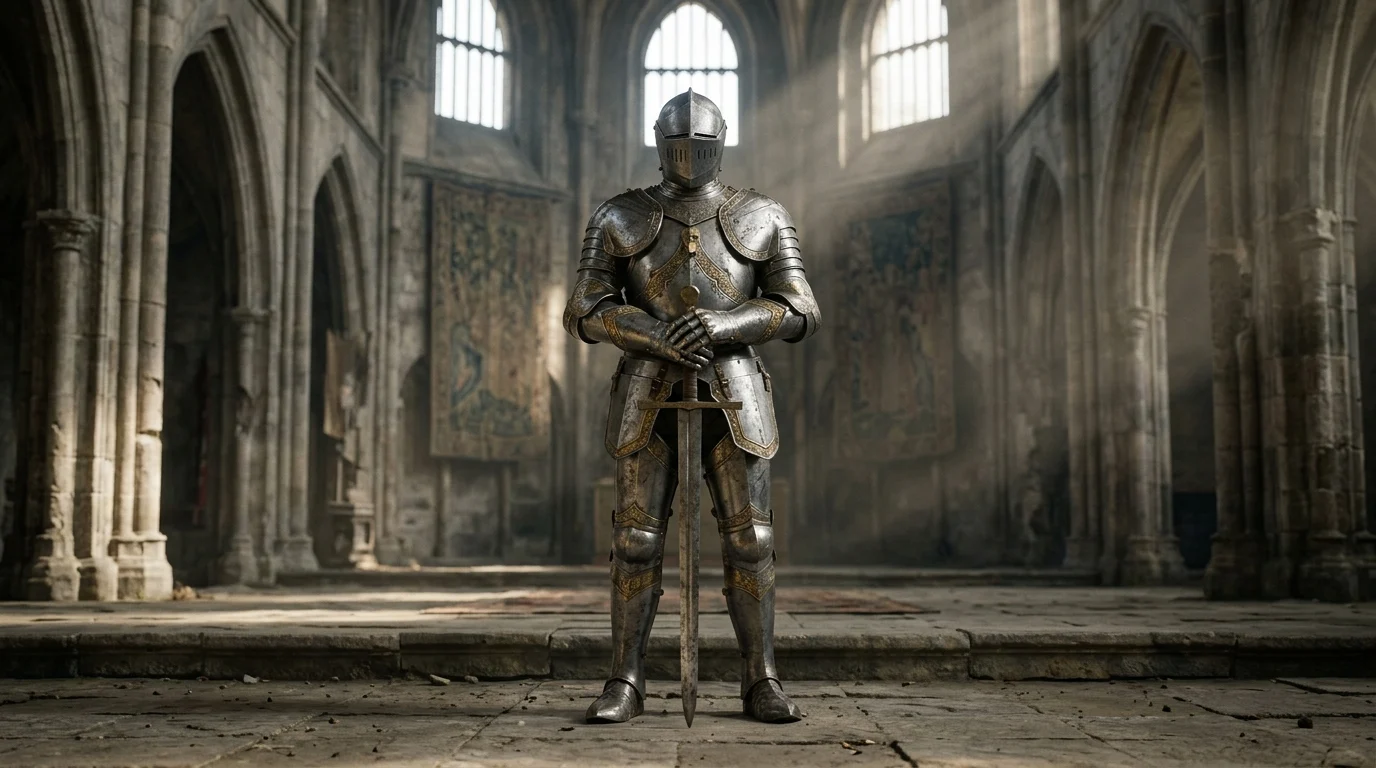
Armor symbolism represents protection, courage, strength, resilience, and the emotional barriers people build to defend themselves from harm. Throughout history, armor has symbolized both physical defense and inner power, reflecting the human desire to feel safe while facing life’s challenges.
From ancient warriors and religious teachings to modern literature and dreams, armor carries meanings that go far beyond battle. It can represent confidence, discipline, spiritual protection, or the fear of being vulnerable. Understanding armor symbolism helps reveal how protection, strength, and emotional openness influence our lives.
Armor Symbolism Meaning (Clear Definition)
Armor symbolism refers to the deeper meanings associated with armor as a protective covering. It commonly represents physical safety, emotional defense, courage, personal boundaries, and the ability to withstand hardship.
Historically, armor protected warriors from weapons during combat. Symbolically, however, it represents the ways people protect their minds, hearts, beliefs, and identities from outside threats.
The meaning often depends on the context in which armor appears. Shining armor may suggest honor and confidence, while damaged armor can represent vulnerability, exhaustion, or the need for healing.
At its core, armor symbolizes the balance between being strong enough to face difficulties and remaining open enough to experience life fully.
What Does Armor Symbolism Represent?
Armor can communicate several powerful ideas. Its meaning changes depending on its appearance, condition, and cultural context.
The most common symbolic meanings of armor include:
- Protection: Armor represents safety from physical danger, emotional pain, and negative influences.
- Courage: It symbolizes the willingness to face uncertainty, adversity, and fear.
- Strength and resilience: Armor reflects the ability to recover from setbacks and continue moving forward.
- Emotional boundaries: It can represent the limits people establish to protect their feelings and personal well-being.
- Honor and responsibility: In traditional warrior cultures, armor often represented duty, loyalty, and service.
- Spiritual defense: Armor may symbolize faith, moral discipline, and resistance to destructive influences.
- Fear and isolation: When armor becomes excessive, it can represent emotional distance or an unwillingness to trust others.
Symbolic Meanings of Different Types of Armor
| Type or appearance | Common symbolic meaning |
| Shining armor | Honor, confidence, purity, and achievement |
| Heavy armor | Strong protection, responsibility, or emotional burden |
| Broken armor | Vulnerability, defeat, change, or healing |
| Golden armor | Prestige, success, authority, and spiritual value |
| Black armor | Mystery, authority, defense, or hidden emotions |
| Ancient armor | Tradition, inherited beliefs, and lessons from the past |
| Wearing armor | Preparing for challenges or protecting oneself |
| Removing armor | Trust, emotional openness, and personal freedom |
These interpretations are not universal rules. A symbol’s meaning depends on the person’s experiences, beliefs, and the circumstances in which it appears.
Spiritual Meaning of Armor Symbolism
Spiritually, armor often represents the strength to remain grounded when facing fear, uncertainty, temptation, or emotional hardship. It can serve as a reminder that protection comes not only from external circumstances but also from inner wisdom, faith, and self-awareness.
Spiritual Protection and Inner Strength
Armor can symbolize the belief that a person is supported by a higher power, spiritual principles, or a strong sense of purpose. In this interpretation, armor represents the courage to maintain personal values even when circumstances become difficult.
It may also symbolize spiritual discipline. Just as physical armor must be maintained, inner strength often requires patience, reflection, and consistent effort.
Setting Healthy Boundaries
Another important spiritual interpretation of armor concerns boundaries. Protecting your energy, values, and peace of mind can be an act of self-respect.
However, spiritual protection does not necessarily mean shutting everyone out. Healthy protection allows you to recognize harmful influences while remaining compassionate and receptive to meaningful relationships.
The Difference Between Protection and Fear
Armor has a dual spiritual meaning. It can represent wisdom and preparedness, but it can also symbolize fear when protection becomes a permanent barrier.
For example, someone who has experienced betrayal may develop emotional armor to avoid being hurt again. Although this response can feel necessary, it may eventually prevent genuine connection.
The deeper spiritual lesson is that true strength includes knowing when to defend yourself and when it is safe to lower your guard.
Biblical / Religious Meaning of Armor Symbolism
Armor has significant religious symbolism, particularly in Christianity, where it represents spiritual readiness, faith, righteousness, and protection against evil.
The Armor of God in the Bible
One of the best-known biblical references to armor appears in Ephesians 6:10–18. The passage describes the Armor of God as a metaphor for spiritual preparedness and steadfast faith.
The passage identifies several symbolic elements:
- The belt of truth: Represents honesty, integrity, and a firm foundation in truth.
- The breastplate of righteousness: Symbolizes moral conduct and living according to righteous principles.
- The shoes of the gospel of peace: Represent readiness to carry a message of peace.
- The shield of faith: Symbolizes trust in God and confidence during spiritual struggles.
- The helmet of salvation: Represents the assurance of salvation and protection of the mind through faith.
- The sword of the Spirit: Identified as the word of God, representing spiritual truth and guidance.
The passage also emphasizes prayer as an essential part of spiritual readiness.
Together, these elements suggest that spiritual strength is developed through faith, integrity, truth, and perseverance rather than physical force alone.
Armor as a Symbol of Faith
In Christian interpretation, armor can remind believers to remain faithful during periods of temptation, suffering, or uncertainty. It emphasizes preparation and spiritual discipline instead of relying entirely on personal power.
Other religious and philosophical traditions also use protective imagery, although the specific meanings vary. Protective clothing, shields, and sacred objects may represent divine support, moral discipline, or the preservation of spiritual well-being.
These traditions should be understood within their own beliefs and histories rather than treated as identical interpretations.
Armor Symbolism in History and Culture
Armor has played an important role in human history, serving practical purposes while also communicating social status, identity, and cultural values.
Ancient Armor and Warrior Strength
In ancient civilizations, armor protected soldiers and warriors during combat. Materials included leather, bronze, iron, and other available resources.
Because armor required materials, labor, and specialized craftsmanship, it could also indicate wealth, military rank, and access to power. Its appearance often reflected the technology and artistic traditions of the society that produced it.
Symbolically, ancient armor became associated with bravery, discipline, military service, and survival.
Medieval Armor and Chivalry
Medieval European armor is strongly associated with knights, castles, and the ideals of chivalry. A knight’s armor could represent loyalty, courage, honor, and a commitment to duty.
Decorative symbols, family crests, and distinctive designs helped identify individuals and communicate allegiance. Armor therefore served as both protection and a visible expression of identity.
The popular image of a knight in shining armor later developed into a broader cultural symbol of the heroic protector who arrives to defend someone in danger.
However, historical knights and their societies were more complex than romantic stories suggest. Armor could signify authority and social privilege as well as courage and service.
Armor in Eastern Cultures
Japanese samurai armor, for example, combined practical protection with craftsmanship, distinctive decoration, and social identity. Its designs could communicate rank, allegiance, and the values associated with a warrior’s role.
Across different Asian societies, protective equipment reflected local materials, combat practices, artistic styles, and cultural traditions.
These examples show that armor symbolism is not limited to Western stories. Across cultures, armor has expressed the relationship between protection, identity, duty, and power.
Armor Symbolism in Literature and Art
In literature and art, armor often functions as a visual metaphor for the relationship between outward strength and inner vulnerability.
A character wearing armor may appear fearless, disciplined, or emotionally distant. As the story develops, the armor may reveal something deeper about the character’s fears, responsibilities, or personal struggles.
The Knight in Shining Armor
The knight in shining armor is a familiar literary and cultural image. It traditionally represents bravery, idealized heroism, protection, and the desire for rescue.
In contemporary storytelling, this image is sometimes challenged. Characters who appear to be rescuers may also struggle with pride, insecurity, or the belief that they must solve every problem themselves.
This more complex portrayal reveals that heroism does not require perfection.
Armor as an Emotional Metaphor
Writers frequently use armor to describe emotional defenses. Phrases such as “wearing a suit of armor” or “building walls around the heart” suggest that someone is hiding their feelings to avoid being hurt.
This symbolism can represent several experiences:
- A person who hides sadness behind confidence.
- Someone who avoids relationships after experiencing betrayal.
- A leader who feels compelled to appear strong at all times.
- A character who gradually learns to trust others.
When a character removes their armor, the action may symbolize acceptance, honesty, reconciliation, or emotional growth.
Armor in Visual Art
Artists use armor to communicate authority, bravery, danger, and identity. Its material, color, condition, and placement can shape the viewer’s interpretation.
Bright, polished armor may suggest idealized heroism or prestige. Rusted or damaged armor may communicate the passage of time, the cost of conflict, or the decline of power.
In modern visual art, armor may also symbolize the pressure to maintain a public image. A beautifully constructed exterior can conceal an uncertain or wounded inner self.
Dream Meaning of Armor Symbolism
Dreams involving armor can be interpreted as reflections of personal experiences, emotions, and concerns. There is no universally established meaning for every armor dream, so the most useful interpretation considers the dream’s details and the feelings it creates.
Dreaming of Wearing Armor
Wearing armor in a dream may reflect a desire for safety, confidence, or greater control over a challenging situation.
It could also suggest that you are preparing for a difficult conversation, protecting your privacy, or trying to avoid emotional pain.
Consider whether the armor makes you feel secure or trapped. That distinction may help you understand what protection means in your current circumstances.
Dreaming of Shining Armor
Shining armor may symbolize ambition, confidence, recognition, or a desire to act with courage.
It might also reflect pressure to appear successful or to meet other people’s expectations. Think about whether the dream feels empowering or exhausting.
Dreaming of Broken or Damaged Armor
Broken armor may represent feelings of vulnerability or the recognition that an old defense no longer works.
Rather than predicting failure, the dream can be used as an opportunity to reflect on where you may need support, a new approach, or greater self-compassion.
Dreaming of Removing Armor
Removing armor may symbolize a willingness to be honest, trust another person, or let go of a defensive habit.
If the experience feels peaceful, it may reflect growing confidence in your ability to handle uncertainty. If it creates fear, it may reveal concerns about being judged or hurt.
Ultimately, dream symbolism is personal. Your recent experiences and emotional responses are more useful than treating a particular image as a guaranteed prediction.
Modern Meaning of Armor Symbolism
In modern life, armor is often understood as a metaphor for emotional resilience, personal boundaries, social identity, and the pressure to remain strong.
Although physical armor is still used in military and protective settings, its symbolic meaning frequently appears in everyday relationships, workplaces, entertainment, and personal development.
Emotional Armor in Relationships
Emotional armor describes the habits people develop to avoid rejection, criticism, disappointment, or betrayal.
It may appear as sarcasm, emotional distance, reluctance to ask for help, or an insistence on handling every problem alone.
These behaviors sometimes develop as responses to difficult experiences. They can provide temporary protection, but they may also make it harder to establish healthy relationships.
The goal is not to eliminate every defense. Instead, it is to recognize when protection is useful and when it prevents genuine connection.
Armor as a Symbol of Resilience
Modern armor symbolism also reflects the ability to recover from setbacks without losing one’s sense of purpose.
Resilience does not mean pretending that pain does not exist. It means acknowledging difficulties, seeking appropriate support, learning from experience, and continuing to move forward.
In this sense, armor represents the strength to face challenges while remaining adaptable.
Armor in Fashion, Gaming, and Popular Culture
Armor remains a powerful visual symbol in films, video games, comics, fashion, and fantasy art.
In superhero stories, protective suits often represent responsibility, technological power, or the transformation of an ordinary person into a defender. In fantasy games, armor can communicate a character’s role, experience, status, and fighting style.
In fashion and performance art, armor-inspired clothing may express confidence, rebellion, authority, or resistance to social expectations.
These modern interpretations demonstrate that armor continues to represent more than physical defense. It can communicate who a person is, what they stand for, and how they want to face the world.
How to Apply Armor Symbolism to Everyday Life
Armor symbolism can provide a useful framework for understanding your own behavior.
Ask yourself these questions:
- What am I trying to protect: my feelings, my values, my time, or my identity?
- Are my boundaries helping me build healthier relationships?
- Do I feel strong because I trust myself, or because I never allow myself to appear vulnerable?
- Where could I benefit from asking for help instead of carrying every burden alone?
- What would it mean to feel safe without constantly being on guard?
These questions can help distinguish healthy self-protection from fear-driven isolation.
True strength does not require you to remain guarded in every situation. Sometimes, the strongest choice is to establish a firm boundary. At other times, it is to trust someone, admit uncertainty, or allow yourself to receive support.
Frequently Asked Questions About Armor Symbolism
What is the main meaning of armor symbolism?
Armor symbolism primarily represents protection, courage, strength, and resilience. It can also symbolize emotional barriers, authority, spiritual faith, or the fear of vulnerability.
What does armor symbolize spiritually?
Spiritually, armor often represents inner strength, faith, moral discipline, and protection from negative influences. Its deeper lesson may involve balancing self-protection with compassion and openness.
What does armor symbolize in the Bible?
In the Bible, particularly Ephesians 6:10–18, the Armor of God symbolizes spiritual readiness through truth, righteousness, peace, faith, salvation, and the word of God.
What does armor mean in a dream?
Armor in a dream may reflect a desire for protection, confidence, or emotional security. Its meaning depends on the dream’s circumstances and whether the armor feels reassuring, restrictive, damaged, or unnecessary.
What does emotional armor mean?
Emotional armor refers to behaviors and defenses people use to protect themselves from emotional pain. While these defenses can help establish safety, excessive emotional armor may prevent trust, intimacy, and personal growth.
Conclusion: The Deeper Meaning of Armor Symbolism
Armor symbolism reminds us that protection and vulnerability are two parts of the human experience. Across history, religion, art, dreams, and modern relationships, armor has represented the courage to face challenges and the instinct to guard what matters most.
Its deepest lesson is not that we must always remain protected. Rather, it is that wisdom means knowing when to stand firm, when to seek support, and when to lower our defenses.
The strongest armor is not necessarily the heaviest. Sometimes, genuine strength comes from having the courage to be open, the wisdom to establish boundaries, and the confidence to face life without hiding who you are.

I explore symbols, special characters, emojis, and their meanings, sharing simple, useful insights to help readers discover, understand, and creatively use symbols in everyday digital communication.