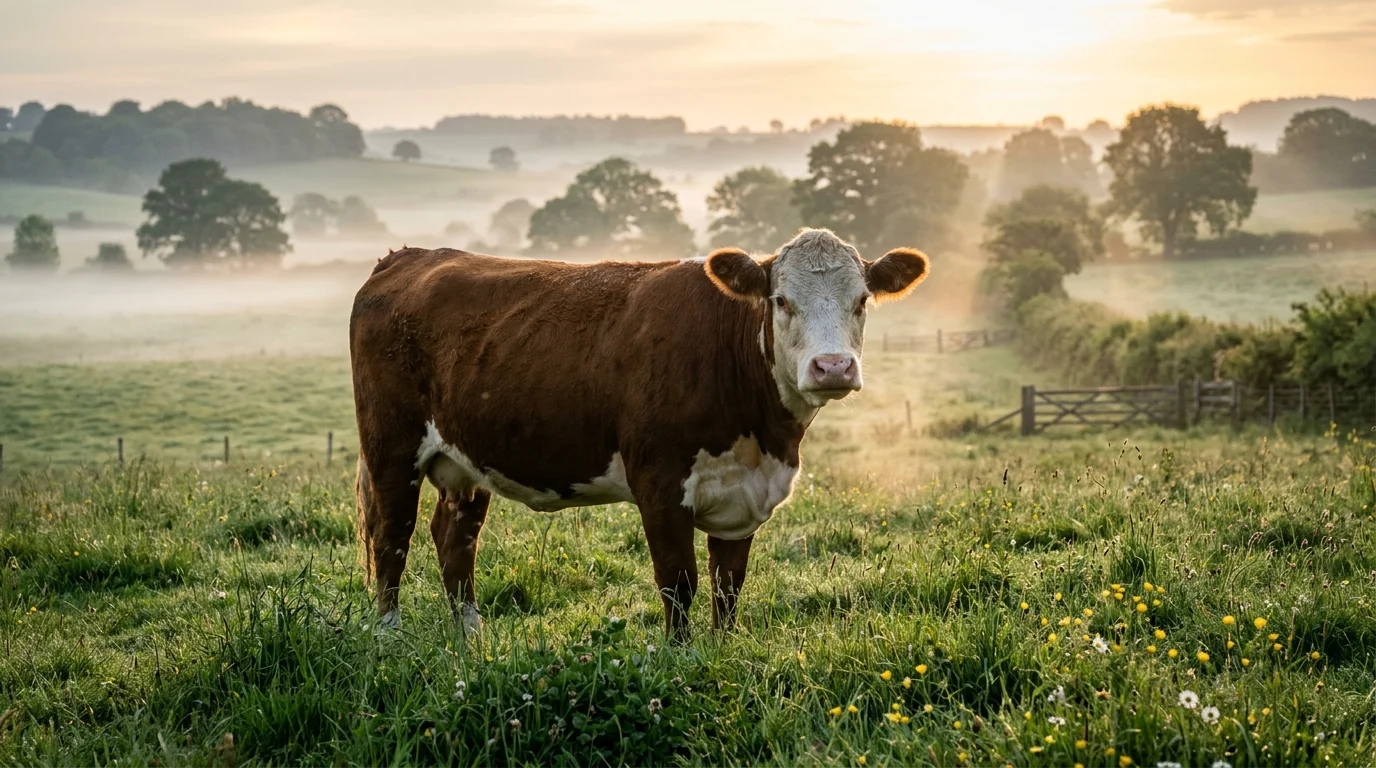
Cow symbolism represents abundance, nourishment, fertility, patience, gentleness, and maternal care. Across many cultures, cows symbolize the life-giving power of nature and the importance of providing for others. Their calm presence and ability to sustain human communities have made them powerful symbols of prosperity, protection, and gratitude.
The meaning of a cow can change depending on its color, behavior, cultural background, and the situation in which it appears. Some traditions associate cows with divine protection and sacred motherhood, while others view them as symbols of hard work, stability, and agricultural wealth.
Whether you encounter a cow in a dream, notice one during an important moment, or feel drawn to its symbolism, exploring its different meanings can offer a fresh perspective on your life.
Cow Symbolism Meaning (Clear Definition)
Cow symbolism refers to the meanings people associate with cows, including nourishment, abundance, fertility, patience, motherhood, and spiritual connection. These meanings developed through agriculture, religious traditions, folklore, and the important role cows have played in human survival.
Cows provide milk, support farming communities, and help sustain rural livelihoods. Because of these contributions, people have connected them with generosity, prosperity, and the natural cycle of giving and receiving.
At its heart, cow symbolism reminds us that strength does not always appear through power or aggression. Sometimes, true strength comes from patience, consistency, and the ability to nurture life.
The most common meanings of cow symbolism include:
- Abundance: A symbol of material blessings, nourishment, and a life filled with resources.
- Motherhood: Represents nurturing love, protection, and care for others.
- Fertility: Reflects growth, renewal, and the continuation of life.
- Patience: Encourages a calm and steady approach to challenges.
- Prosperity: Connects with agricultural wealth, financial stability, and fruitful work.
- Gentleness: Symbolizes kindness, peaceful behavior, and compassion.
- Sacredness: Represents spiritual respect for life and nature in certain religious traditions.
Although these meanings appear in many traditions, their significance depends on the cultural and personal context.
What Does Cow Symbolism Represent?
Cow symbolism can represent several aspects of human life, from family relationships to financial security. Its deeper meaning often relates to the qualities people admire in cows and the benefits they bring to communities.
1. Abundance and Prosperity
Cows have historically represented wealth because they provide milk, offspring, agricultural support, and other valuable resources. In farming communities, owning healthy cattle could improve a family’s security and social standing.
As a symbol, a cow may encourage you to recognize the resources you already have and work patiently toward greater stability.
2. Motherhood and Nurturing Love
A cow caring for its calf represents maternal devotion and the importance of nurturing vulnerable beings. This symbolism extends beyond biological motherhood to include anyone who provides emotional support, guidance, or protection.
A cow can therefore represent a caring parent, a supportive friend, or the nurturing side of your own personality.
3. Patience and Calmness
Cows are often associated with a peaceful and unhurried nature. Their symbolism can remind you to respond thoughtfully rather than allowing temporary stress to control your decisions.
Patience does not mean avoiding action. Instead, it means knowing when to remain calm and when to move forward with purpose.
4. Fertility and Growth
Because cows reproduce and contribute to agricultural life, many traditional societies associate them with fertility and renewal.
This meaning can apply to new relationships, family life, creative projects, or professional opportunities. It represents the possibility of developing something valuable through care and consistent effort.
5. Protection and Security
Cattle have helped families maintain food supplies and livelihoods for generations. Consequently, cows can symbolize the comfort that comes from dependable resources, supportive relationships, and a stable home.
| Symbolic meaning | What it represents |
|---|---|
| Abundance | Resources, blessings, and nourishment |
| Motherhood | Love, care, and protection |
| Fertility | Growth, creativity, and new beginnings |
| Patience | Calmness and thoughtful decisions |
| Prosperity | Financial and agricultural stability |
| Gentleness | Kindness, peace, and compassion |
| Sacredness | Reverence for life and nature |
Spiritual Meaning of Cow Symbolism
Spiritually, cow symbolism often reflects nourishment, compassion, sacred motherhood, and harmony with the natural world. In traditions that honor cows, their ability to sustain life makes them meaningful representations of generosity and interconnectedness.
A Symbol of Divine Nourishment
Some spiritual interpretations view the cow as a reminder that life depends on receiving and giving nourishment. Food, love, wisdom, and emotional support all help people grow.
The cow’s symbolism encourages gratitude for the people and resources that sustain you.
Connection With Mother Earth
Cows are sometimes associated with the nurturing qualities of the Earth. Just as the land provides food and supports living things, the cow represents the generous forces that help communities survive.
This interpretation can inspire greater respect for animals, agriculture, and the environment.
Abundance Through Gratitude
Seeing a cow as a spiritual symbol may encourage you to appreciate what you already possess instead of focusing entirely on what you lack.
Rather than treating the cow as a guarantee of future wealth, you can use its symbolism as a reminder to manage your resources wisely and share your blessings where possible.
Peace and Inner Balance
The gentle image of a cow can also represent emotional steadiness. Its symbolism invites you to slow down, practice compassion, and approach difficult situations without unnecessary conflict.
For someone navigating a stressful period, this interpretation may serve as a personal reminder to choose patience over impulsive reactions.
Biblical / Religious Meaning of Cow Symbolism
Cow symbolism has religious significance in several traditions, although its meaning differs considerably between them. In some contexts, cattle represent wealth, sacrifice, nourishment, or divine provision; in others, cows receive particular reverence as sacred animals.
Cow Symbolism in the Bible
The Bible frequently mentions cattle as part of everyday life in ancient agricultural societies. Herds could indicate prosperity, provide food, and serve as valuable possessions.
In Genesis 41, Pharaoh dreams of seven healthy cows followed by seven thin cows. Joseph interprets the dream as a warning about seven years of abundance followed by seven years of famine.
This biblical account connects cows with agricultural prosperity, scarcity, preparation, and the importance of using plentiful resources wisely.
The story also demonstrates that the meaning of an animal in a religious narrative depends on its context. Healthy and thin cows carry different implications within the same dream.
Cow Symbolism in Hinduism
In Hindu traditions, the cow holds a particularly honored position and is widely associated with motherhood, generosity, nourishment, and nonviolence.
The cow is often revered as a nurturing animal because it provides milk and supports human life. Sacred associations also connect cows with several Hindu deities, including Krishna, who is traditionally depicted as a cowherd.
Cow reverence varies across communities and individual practices, but respect for cows remains an important cultural and religious tradition in many parts of India.
Cows in Ancient Religious Traditions
Cattle also held religious significance in several ancient civilizations. In ancient Egypt, the goddess Hathor was associated with motherhood, fertility, music, and protection, and she was frequently represented with cow imagery or cow horns.
These traditions illustrate how people used the cow’s nurturing qualities to express ideas about divine care, fertility, and the origins of life.
Cow Symbolism in History and Culture
Throughout history, cows have influenced agriculture, trade, mythology, and social customs. Their symbolic importance grew from their practical value as sources of nourishment and economic security.
Ancient Egypt
In ancient Egyptian religion, cow imagery could represent maternal protection, fertility, and divine power. Hathor, one of the best-known goddesses associated with cows, embodied nurturing and life-giving qualities.
The cow therefore served as more than a farm animal; it could also represent a sacred connection between human life and the divine.
Ancient Agricultural Societies
In many farming communities, cattle represented wealth and long-term security. A healthy herd could supply milk, support breeding, and contribute to agricultural productivity.
As a result, cows became associated with prosperity, responsibility, and the ability to provide for a household.
Indian Culture
Cows have a prominent place in many Indian cultural traditions, particularly those influenced by Hindu beliefs. Their associations with nourishment, generosity, and sacred life appear in religious ceremonies, festivals, stories, and everyday customs.
The exact practices surrounding cows vary by region, community, and religious tradition.
European Folklore and Rural Life
In European rural traditions, cows frequently appear in seasonal customs, folk stories, and agricultural celebrations. Their health and productivity were closely connected with a household’s livelihood.
Consequently, cows could symbolize fertility, good fortune, domestic stability, and the hope of a successful harvest.
Across these cultures, one theme repeatedly appears: the cow represents the close relationship between human well-being and the natural world.
Cow Symbolism in Literature and Art
Artists and writers have used cow imagery to communicate ideas about innocence, motherhood, rural life, abundance, and spiritual devotion.
The Cow as a Symbol of Innocence
A peaceful cow in a pastoral painting can create a feeling of simplicity and harmony. Its presence may suggest a slower lifestyle, a connection with the land, or an escape from the pressures of modern life.
In this context, the cow represents the beauty of ordinary experiences rather than dramatic achievements.
The Cow as a Mother Figure
Literature and visual art sometimes use cows to express unconditional care and maternal protection. A cow standing beside its calf can communicate tenderness without requiring words.
Writers may use this image to explore family relationships, sacrifice, and the emotional responsibilities involved in caring for others.
The Cow as a Symbol of Rural Identity
In paintings, stories, and photographs, cows often represent agricultural traditions and the rhythms of country life.
They can evoke memories of family farms, village communities, seasonal work, and the relationship between people and their land.
Sacred and Mythological Cow Imagery
Religious art may portray cows as symbols of divine nourishment, fertility, or sacred protection. Their meaning depends on the particular deity, story, and artistic tradition.
For example, cow imagery associated with Hathor in ancient Egyptian art communicates different religious ideas from the sacred cow traditions found in Hindu culture.
Dream Meaning of Cow Symbolism
Dreams about cows can be interpreted through themes such as security, family, abundance, patience, and emotional nourishment. However, dreams do not have universally established meanings, and a dream about a cow does not predict a specific event.
Your emotions during the dream and the cow’s behavior may offer useful clues when reflecting on its personal significance.
Dreaming of a Healthy Cow
A healthy cow may symbolize stability, contentment, or appreciation for the resources in your life.
If the dream feels peaceful, consider whether you currently feel supported by family, friends, or your surroundings.
Dreaming of a White Cow
A white cow may represent peace, innocence, purity, or spiritual reflection in some symbolic interpretations.
Its meaning can also depend on your personal associations with the color white and the feelings the dream creates.
Dreaming of a Black Cow
A black cow may symbolize mystery, inner strength, hidden emotions, or uncertainty.
Rather than assuming the dream carries a negative message, reflect on whether you are facing an unfamiliar situation or exploring feelings you have not fully understood.
Dreaming of a Cow Giving Birth
A cow giving birth may symbolize a new beginning, creative development, or the growth of something important.
You might connect this image with a new project, a changing family situation, or an opportunity that requires patience and care.
Dreaming of a Sick or Weak Cow
A sick cow may reflect worries about security, responsibilities, or something you feel is not receiving enough attention.
Consider whether you need to care for your own well-being, strengthen a relationship, or address a practical concern.
Dreaming of a Herd of Cows
A herd may symbolize community, family connections, shared resources, or a sense of belonging.
If the herd feels safe and orderly, it may reflect comfort in a group. If it appears frightened or scattered, it could mirror feelings of confusion or social pressure.
Modern Meaning of Cow Symbolism
In modern life, cow symbolism continues to connect with nourishment, sustainability, compassion, and the relationship between people and animals.
As society becomes increasingly aware of environmental concerns and animal welfare, the cow can represent both the benefits people receive from animals and their responsibility to treat them thoughtfully.
Sustainability and Environmental Awareness
Cows are central to many discussions about agriculture, land use, and food production. Symbolically, they can remind people that everyday choices have consequences for ecosystems and future generations.
This meaning encourages informed decisions about food, farming practices, and environmental responsibility.
Compassion and Animal Welfare
For many people, cows represent gentleness and the need to treat living creatures with care. Their symbolism can encourage thoughtful consideration of animal welfare and humane farming practices.
This interpretation places compassion at the center of the relationship between humans and animals.
Financial Stability and Hard Work
In farming communities, cattle remain an important source of income and livelihood. More broadly, the cow can represent the gradual development of security through consistent effort and careful resource management.
Its message is practical: sustainable prosperity often depends on patience, planning, and responsible choices.
Slowing Down in a Busy World
The cow’s calm image offers a useful contrast to a fast-paced lifestyle. It can remind us to value rest, meaningful relationships, and simple experiences alongside ambition.
Modern cow symbolism therefore combines traditional ideas of abundance with a renewed appreciation for balance, care, and sustainability.
Cow Symbolism by Color
The color of a cow can influence its symbolic interpretation, particularly in dreams, artwork, and personal reflection. These associations are interpretive rather than universal rules.
| Cow color | Common symbolic associations |
|---|---|
| White cow | Peace, purity, innocence, spiritual reflection |
| Black cow | Mystery, strength, the unknown, inner reflection |
| Brown cow | Grounding, stability, practicality, connection with nature |
| Red cow | Vitality, passion, energy, powerful emotions |
| Spotted cow | Diversity, individuality, balance between differences |
| Golden cow | Abundance, prosperity, value, sacred richness |
For example, a brown cow in a peaceful field might evoke a sense of groundedness, while a white cow in a religious setting might suggest purity or sacred devotion.
These interpretations depend on cultural background and personal associations rather than a fixed symbolic code.
FAQs:
1. What does a cow symbolize spiritually?
A cow commonly symbolizes nourishment, abundance, motherhood, patience, and compassion. In some spiritual traditions, it also represents sacred protection and respect for life.
2. Is seeing a cow a sign of good luck?
Some cultural traditions associate cows with prosperity, fertility, and good fortune. However, seeing a cow does not guarantee a particular outcome; its significance depends on your beliefs and circumstances.
3. What does a cow symbolize in the Bible?
In the Bible, cows and cattle can represent wealth, nourishment, and agricultural prosperity. Pharaoh’s dream of seven healthy cows and seven thin cows in Genesis 41 also illustrates abundance followed by famine.
4. What does dreaming about a cow mean?
Dreaming about a cow may bring to mind security, family, nurturing, or personal growth. The cow’s behavior and your emotions during the dream can help you explore what the image means to you.
5. Why is the cow considered sacred in Hinduism?
In many Hindu traditions, the cow is revered as a symbol of motherhood, generosity, nourishment, and nonviolence. Its role as a life-sustaining animal contributes to its deep religious and cultural significance.
Conclusion
Cow symbolism reminds us that abundance, patience, compassion, and nurturing care are essential parts of a meaningful life. From ancient religious traditions to modern environmental awareness, the cow represents the connection between nature and human well-being.
Its deeper message is simple: value what sustains you, care for those who depend on you, and recognize that lasting prosperity often grows through kindness, gratitude, and steady effort. Discover cow symbolism and explore its spiritual meaning, cultural history, dream interpretations, religious significance, and powerful messages of abundance and compassion.

I explore the meanings, history, and cultural significance behind symbols, helping readers understand how symbols connect with ideas, emotions, traditions, and everyday life.