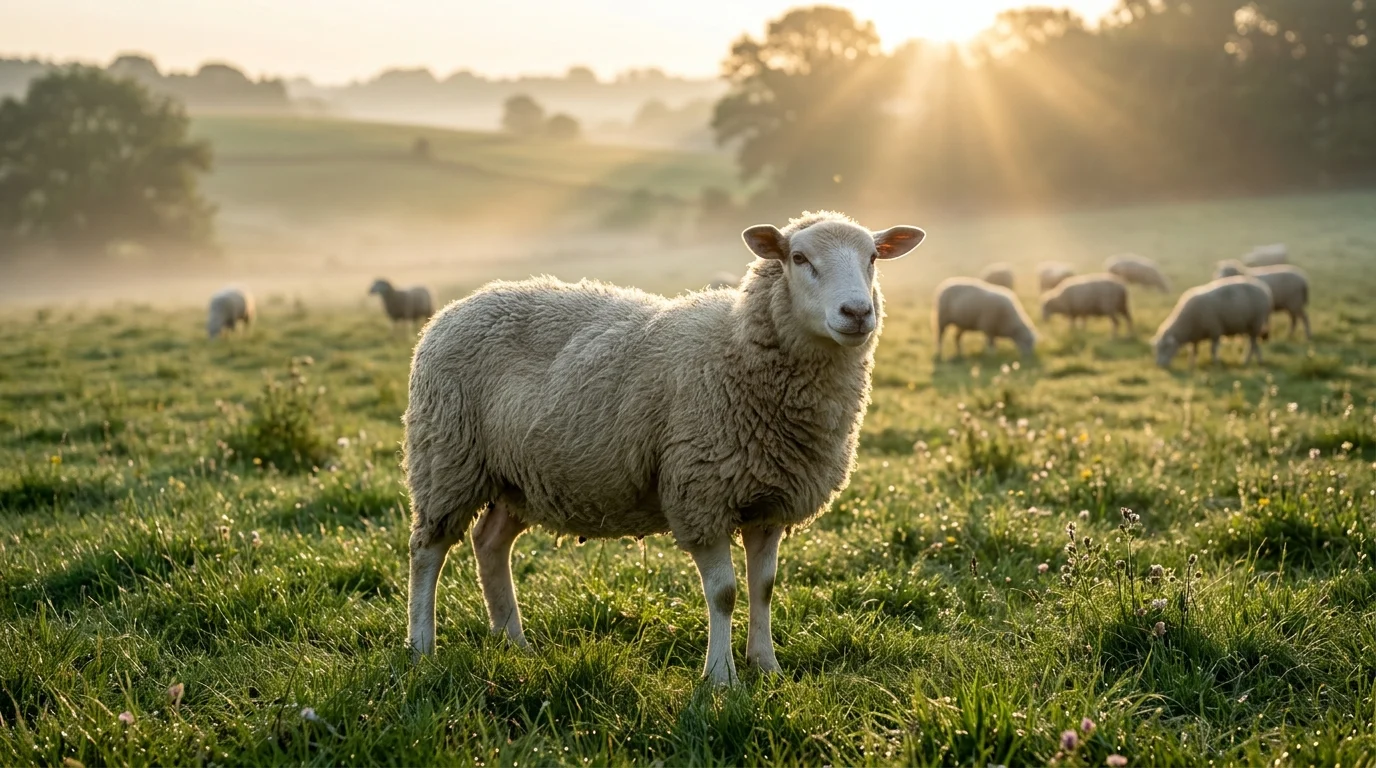
Sheep symbolism often represents innocence, gentleness, peace, humility, faith, and belonging. Across different cultures and religious traditions, sheep have symbolized trust, sacrifice, spiritual guidance, and the comfort of living within a community. Their calm nature and close connection to the flock make them powerful symbols of both vulnerability and strength.
Understanding sheep symbolism can help you explore its deeper meanings in spirituality, religion, dreams, history, and everyday life. Whether you encounter a sheep in a dream, see one in artwork, or feel drawn to its peaceful nature, this animal can inspire reflection on your relationships, beliefs, and personal journey.
Sheep Symbolism Meaning (Clear Definition)
Sheep symbolism refers to the meanings people associate with sheep, including innocence, obedience, gentleness, faith, and community. These associations come from the animal’s behavior, its importance in farming, and its longstanding role in religious stories and cultural traditions.
Sheep generally live in groups and depend on one another for safety. Their social nature makes them natural symbols of belonging, cooperation, and shared responsibility.
At the same time, sheep can represent vulnerability and the need for guidance. Their dependence on shepherds has made them enduring symbols of trust, protection, and leadership.
The most common meanings of sheep symbolism include:
- Innocence: A gentle nature and an unspoiled spirit.
- Peace: Calmness, patience, and a desire for harmony.
- Faith: Trust in spiritual guidance or a higher power.
- Community: Belonging, cooperation, and mutual support.
- Humility: Modesty, simplicity, and freedom from arrogance.
- Obedience: Following direction, sometimes without questioning it.
- Sacrifice: Giving something valuable for the well-being of others.
The meaning of a sheep depends on its context. A peaceful white sheep may suggest purity or comfort, while a lost sheep may represent uncertainty, isolation, or a desire to find direction.
What Does Sheep Symbolism Represent?
Sheep symbolism represents several important aspects of human life, from the comfort of belonging to the challenges of following others.
1. Innocence and Purity
Sheep are often associated with innocence because of their gentle appearance and quiet behavior. In symbolic interpretations, they can represent a sincere heart, honest intentions, and a desire to approach life without malice.
A sheep may remind you to preserve your kindness while learning how to protect yourself from people who might take advantage of it.
2. Peace and Gentleness
The peaceful image of sheep makes them symbols of calmness and emotional balance. They can represent the value of responding to conflict with patience rather than aggression.
This meaning encourages you to create a more peaceful environment in your home, relationships, and daily life.
3. Community and Belonging
Sheep are social animals that naturally gather in flocks. Consequently, they often symbolize friendship, family connections, teamwork, and the human desire to feel accepted.
Their symbolism highlights the importance of supportive relationships. It also invites you to consider whether your community helps you grow or pressures you to hide your individuality.
4. Guidance and Protection
A shepherd guides and protects a flock, making the relationship between shepherd and sheep a powerful symbol of leadership.
Sheep can represent the willingness to trust a mentor, teacher, spiritual guide, or dependable person. However, this symbolism also encourages discernment: good guidance should help you become wiser, not prevent you from thinking independently.
5. Sacrifice and Service
Sheep have played important roles in traditional religious offerings and agricultural life. As a result, they can symbolize generosity, devotion, and sacrifice.
In everyday life, this meaning may remind you to support others while maintaining healthy boundaries. Helping people is valuable, but genuine compassion does not require neglecting your own needs.
Spiritual Meaning of Sheep Symbolism
The spiritual meaning of sheep symbolism often centers on faith, humility, inner peace, and the search for guidance. In many spiritual interpretations, sheep encourage people to approach life with a trusting heart while remaining aware of their responsibilities.
Sheep as a Symbol of Faith
Sheep frequently appear in spiritual teachings as images of followers who depend on a caring guide. This relationship can represent trust in God, confidence in a spiritual path, or openness to wisdom beyond personal experience.
For some people, seeing sheep serves as a reminder to strengthen their faith and remain hopeful during difficult times.
Sheep as a Symbol of Humility
Sheep do not project the fierce independence associated with animals such as lions or eagles. Their traditional image instead emphasizes gentleness, modesty, and cooperation.
Spiritually, this can encourage you to release unnecessary pride and recognize the value of learning from others.
Humility does not mean believing you are less important than everyone else. It means understanding your limitations while remaining open to growth.
Sheep and Inner Peace
The quiet image of sheep grazing in a green field often evokes simplicity and emotional rest. Spiritually, this imagery can represent a desire to step away from stress and reconnect with what matters most.
If sheep have become meaningful to you, consider whether you need more rest, stronger relationships, or time to reflect on your priorities.
Sheep as a Symbol of Personal Growth
A flock depends on cooperation, but each sheep remains an individual animal. This offers a useful metaphor for balancing personal identity with belonging.
Sheep symbolism can encourage you to accept support without surrendering your judgment. You can learn from others, participate in a community, and still make thoughtful decisions for yourself.
These spiritual interpretations are matters of personal belief rather than universal rules or predictions.
Biblical / Religious Meaning of Sheep Symbolism
Sheep symbolism has a particularly important place in the Bible and Christian tradition. Sheep often represent God’s people, while shepherds represent those who guide, protect, and care for them.
These images draw on the practical importance of sheep and shepherding in the ancient Near East.
Sheep as Followers of God
In the Bible, sheep frequently illustrate the relationship between God and His people. Their need for guidance reflects the human need for wisdom, care, and spiritual direction.
Psalm 23 begins with the famous image of the Lord as a shepherd. The psalm describes God’s provision, guidance, and protection through the experiences of a shepherd caring for a flock.
This passage has made sheep a lasting symbol of comfort and trust for many Christians.
Jesus as the Good Shepherd
In John 10:11, Jesus describes himself as the Good Shepherd who lays down his life for the sheep.
Within Christian belief, this image represents sacrificial love, protection, and a personal relationship between Christ and his followers. It also emphasizes the responsibility of a good leader to care for those who depend on them.
The Lamb of God
Lamb symbolism is closely connected to sheep symbolism, although the two are not identical. In Christian theology, Jesus is called the Lamb of God in John 1:29, connecting the image of a lamb with sacrifice and the removal of sin.
The lamb’s gentleness and sacrificial associations have made it a central image in Christian art, worship, and religious celebrations.
Sheep and the Final Judgment
Matthew 25:31–46 describes the separation of sheep from goats. In this passage, the sheep appear on the right and are associated with those who demonstrate compassion through their treatment of people in need.
The passage emphasizes kindness, service, and responsibility toward others.
Sheep in Other Religious and Cultural Traditions
Sheep and lambs also carry significance in Jewish tradition, including the biblical account of Passover and the historical importance of sheep in religious offerings. In Islam, sheep are associated with the story of Abraham and the tradition of sacrifice commemorated during Eid al-Adha.
The specific meaning varies by tradition. Religious interpretations should be understood within their own teachings and historical contexts rather than treated as interchangeable beliefs.
Sheep Symbolism in History and Culture
Sheep have influenced human civilization for thousands of years. People have raised them for wool, milk, meat, and hides, making them important to farming, trade, clothing, and household survival.
Their practical value helped shape their symbolic importance.
Sheep as Symbols of Wealth and Prosperity
In many pastoral societies, owning sheep represented economic security and prosperity. A healthy flock could provide food, clothing materials, and valuable goods for trade.
Consequently, sheep sometimes symbolized abundance, provision, and the ability to care for a family.
Sheep and Rural Life
Sheep remain closely associated with traditional countryside life. Images of sheep grazing across open fields often evoke simplicity, patience, and a connection with nature.
For people whose families have farming traditions, sheep may also represent heritage, hard work, and continuity between generations.
White Sheep and Black Sheep
White sheep are often associated with innocence, purity, and goodness in popular symbolism. Black sheep, meanwhile, have become a common metaphor for someone who differs from the expectations of their family or community.
The expression “black sheep of the family” can suggest someone who feels excluded or follows an unconventional path.
However, the metaphor reflects human social attitudes, not a meaningful difference in the worth of individual animals or people. Being different does not automatically make someone troublesome or less valuable.
Sheep as Symbols of Conformity
Sheep can also represent unquestioning obedience. This interpretation appears in everyday language when people describe a group as following popular opinion without thinking critically.
Although this meaning may sound negative, it offers a useful lesson: cooperation is valuable, but independent judgment matters too.
| Sheep symbol | Common interpretation |
|---|---|
| White sheep | Purity, innocence, peace |
| Black sheep | Individuality, exclusion, nonconformity |
| Lamb | Gentleness, vulnerability, sacrifice |
| Flock of sheep | Community, belonging, cooperation |
| Lost sheep | Feeling disconnected or needing direction |
| Shepherd and sheep | Leadership, trust, protection |
| Grazing sheep | Simplicity, contentment, provision |
| Sheep with young lambs | Nurturing, care, family bonds |
These meanings are common cultural interpretations, not fixed rules shared by every society.
Sheep Symbolism in Literature and Art
Sheep have appeared in religious paintings, pastoral poetry, children’s stories, and modern visual art. Their meaning changes according to the message an artist or writer wants to communicate.
Sheep in Religious Art
Christian artists often depict sheep beside Jesus or a shepherd to communicate care, faith, and spiritual protection. Lambs may appear near religious figures to emphasize innocence, sacrifice, or redemption.
These images communicate complex theological ideas through familiar scenes from rural life.
Sheep in Pastoral Literature
In pastoral poetry and literature, sheep grazing in peaceful landscapes often represent an idealized relationship between people and nature.
Writers use flocks, meadows, and shepherds to evoke simplicity, tranquility, and a slower pace of life. Such imagery can contrast with the pressures and complications of urban society.
Sheep in Children’s Stories
In children’s books and traditional tales, sheep frequently represent gentleness, vulnerability, and dependence on others. Stories about lost lambs or caring shepherds can teach lessons about responsibility, kindness, and belonging.
At times, writers also use sheep to explore the risks of following a crowd without understanding the consequences.
Sheep as a Modern Artistic Metaphor
Contemporary artists may portray sheep as symbols of conformity, social pressure, or collective identity. A large flock moving in one direction, for example, can raise questions about whether individuals are choosing their own path.
In this context, sheep symbolism encourages viewers to think about the difference between healthy cooperation and blind obedience.
Dream Meaning of Sheep Symbolism
Dreaming about sheep can be interpreted in several ways, depending on the dream’s setting, your emotions, and the events taking place. Sheep dreams do not have scientifically established universal meanings, so it is helpful to treat them as prompts for personal reflection rather than predictions.
Dreaming of White Sheep
White sheep may symbolize peace, innocence, comfort, or a desire for emotional stability. If the dream feels pleasant, it might reflect your appreciation for a calm and supportive environment.
Dreaming of Black Sheep
A black sheep in a dream may bring up themes of individuality, exclusion, or feeling misunderstood. Consider whether you have recently felt different from your family, friends, or colleagues.
It may also reflect your desire to express your personality more freely.
Dreaming of a Flock of Sheep
A flock may represent friendship, family, teamwork, or your place within a community. If you feel comfortable among the sheep, the dream might connect with a sense of belonging.
If you feel trapped or unable to separate from the flock, consider whether social expectations are limiting your choices.
Dreaming of a Lost Sheep
A lost sheep may reflect uncertainty, loneliness, or a desire to regain direction. It can be a useful opportunity to think about where you feel disconnected and what might help you feel more grounded.
Dreaming of a Baby Lamb
A baby lamb may symbolize tenderness, new beginnings, vulnerability, or a need to nurture something important. Depending on your circumstances, that could mean a relationship, a creative project, or a developing personal goal.
Dreaming of Herding Sheep
Herding sheep may relate to leadership, responsibility, or the challenge of managing different needs. The dream could prompt you to consider whether you feel equipped to guide others or whether you are carrying too much responsibility.
Ultimately, your personal associations with sheep and the emotions you experienced in the dream matter more than any fixed interpretation.
Modern Meaning of Sheep Symbolism
Today, sheep symbolism continues to influence everyday language, personal reflection, popular culture, and discussions about social behavior.
Sheep as a Symbol of Belonging
People naturally seek connection and acceptance. Sheep represent the comfort of being part of a group and the reassurance that comes from mutual support.
This meaning can encourage you to invest in relationships where people respect and support one another.
Sheep as a Warning Against Blind Conformity
In modern discussions, sheep sometimes represent people who accept popular opinions without examining the evidence. The image can serve as a reminder to question assumptions and make informed decisions.
However, following advice is not always a weakness. The important distinction is whether you evaluate information thoughtfully or follow others simply because they do.
Sheep as a Symbol of Kindness
Sheep’s gentle image makes them useful symbols of compassion and peaceful behavior. They can remind people that strength does not always require confrontation.
Kindness becomes especially meaningful when it includes respect for yourself as well as others.
Sheep and Simplicity
A flock grazing in an open field can evoke a life with fewer distractions and a stronger connection to nature. In modern life, this image may encourage you to slow down, appreciate ordinary pleasures, and focus on what brings genuine contentment.
Sheep and Personal Identity
The contrast between the flock and the black sheep highlights an important modern theme: the balance between belonging and individuality.
You do not need to reject your community to remain true to yourself. Instead, you can value shared experiences while preserving your ability to think independently and make your own choices.
FAQS:
1. What does a sheep symbolize spiritually?
A sheep commonly symbolizes faith, humility, peace, innocence, and spiritual guidance. Its meaning depends on the religious tradition and personal beliefs of the person interpreting it.
2. What does a white sheep symbolize?
A white sheep often represents purity, gentleness, innocence, and harmony. These associations come from cultural and artistic traditions rather than a universal symbolic rule.
3. What does a black sheep symbolize?
A black sheep often represents individuality, nonconformity, or feeling different from a group. The symbol can encourage you to embrace your identity without assuming that being different means you do not belong.
4. What does it mean to dream about sheep?
Dreaming about sheep may prompt reflection on belonging, peace, vulnerability, or the need for guidance. The dream’s emotional tone and your personal circumstances can help you explore its possible relevance.
5. What do sheep symbolize in the Bible?
In the Bible, sheep often represent God’s people, while shepherds represent guidance and protection. The imagery appears in passages such as Psalm 23 and John 10, where shepherding expresses care, trust, and spiritual leadership.
Conclusion
Sheep symbolism offers a meaningful reminder of the value of peace, compassion, faith, and community. From biblical imagery to modern expressions about conformity, sheep represent both the comfort of belonging and the importance of independent thought.
Their symbolism encourages you to accept guidance, care for others, and appreciate simple joys without losing your individuality. Ultimately, the sheep’s deeper message is that gentleness and belonging can be powerful strengths when balanced with wisdom and self-awareness.

I explore the meanings and stories behind symbols, helping readers understand their cultural, spiritual, and everyday significance through clear, engaging, and meaningful insights.