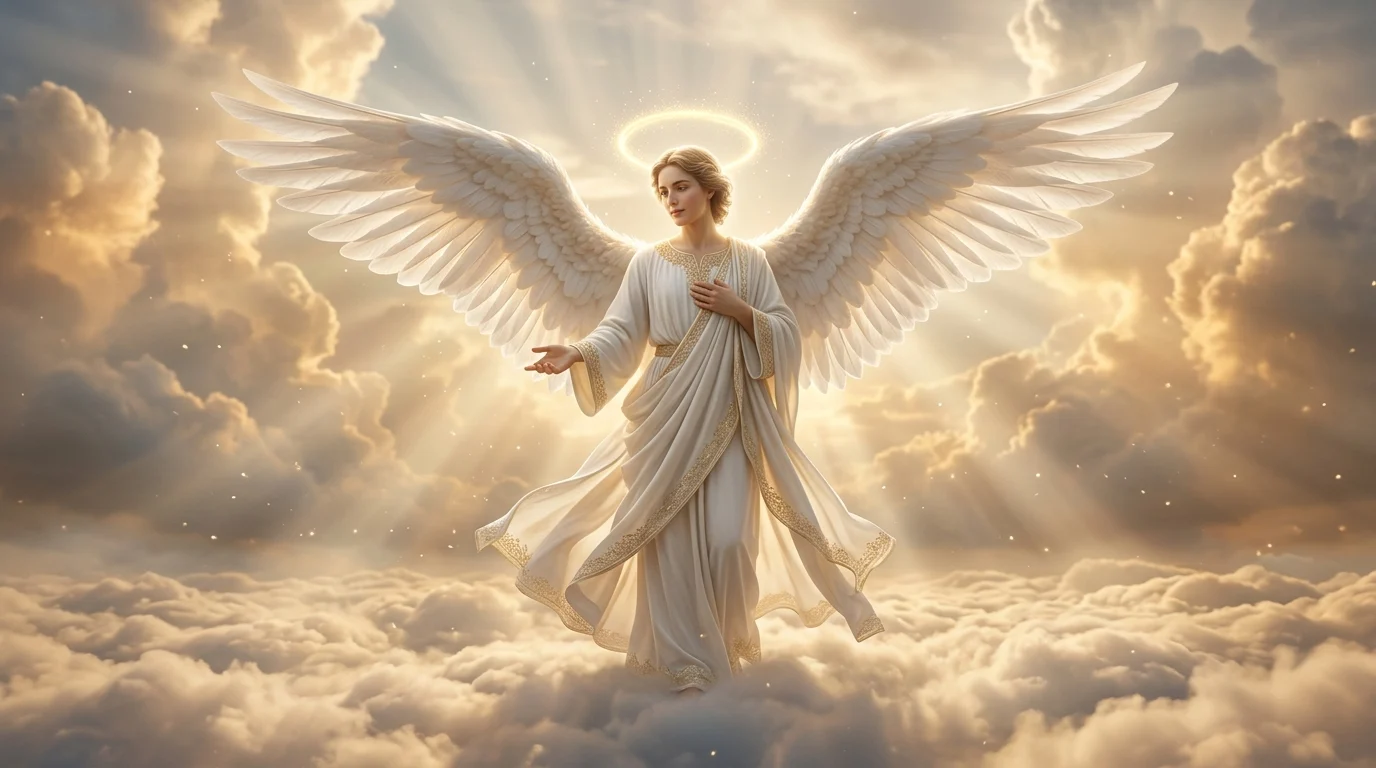
Angel symbolism represents divine guidance, protection, hope, purity, and the connection between the human and spiritual worlds. Across different religions, cultures, and traditions, angels symbolize messages from a higher power, encouragement during difficult times, and the presence of unseen support. Whether represented through heavenly wings, glowing figures, or gentle messengers, angels often inspire feelings of peace, comfort, and reassurance.
The meaning of angel symbolism can vary depending on religious beliefs, cultural traditions, and personal experiences. For some people, angels represent God’s messengers, while others see them as symbols of positive energy, inner strength, and spiritual awakening.
Understanding angel symbolism helps explain why these heavenly figures have remained powerful symbols of faith, love, and hope throughout human history.
Angel Symbolism Meaning (Clear Definition)
Angel symbolism refers to the spiritual and cultural meanings associated with angels, commonly representing divine protection, guidance, purity, peace, and heavenly communication.
Angels are often viewed as messengers who connect the earthly world with the divine realm. Their presence in religious stories, paintings, literature, and personal beliefs reflects humanity’s desire for guidance and reassurance.
The most common meanings associated with angels include:
- Divine guidance: Direction, wisdom, and messages from a higher power.
- Protection: Safety, comfort, and spiritual guardianship.
- Purity: Innocence, goodness, and moral integrity.
- Hope: Encouragement during challenging moments.
- Faith: Trust in God and the spiritual world.
- Peace: Harmony, compassion, and emotional comfort.
- Love: Unconditional care and kindness.
These meanings make angels powerful symbols of reassurance and spiritual connection.
What Does Angel Symbolism Represent?
Angel symbolism represents several important qualities that connect spiritual beliefs with everyday human experiences. Although interpretations differ, certain themes appear repeatedly across cultures and traditions.
1. Protection and Safety
Angels frequently symbolize protection from danger and negative influences. Guardian angels, in particular, represent the belief that individuals receive spiritual care and guidance throughout their lives.
2. Divine Guidance and Wisdom
Angels are traditionally associated with delivering messages from God or a higher spiritual authority. Therefore, they symbolize wisdom, direction, and the importance of listening to moral and spiritual guidance.
3. Hope and Encouragement
An angel can represent hope when life feels uncertain. Its image often reminds people to remain patient, maintain faith, and believe that difficult circumstances can change.
4. Purity and Innocence
White wings, glowing appearances, and peaceful expressions commonly connect angels with purity and goodness. These qualities symbolize honesty, compassion, and a desire to live with integrity.
5. Love and Compassion
Angels also represent unconditional love and kindness. Their traditional association with helping others makes them symbols of empathy, forgiveness, and selfless service.
6. Spiritual Connection
Angels symbolize the relationship between humanity and the divine. They remind believers that spiritual life extends beyond ordinary physical experiences.
Spiritual Meaning of Angel Symbolism
The spiritual meaning of angel symbolism centers on divine presence, faith, protection, and personal transformation.
In many spiritual traditions, angels are considered heavenly beings who guide people toward goodness and spiritual understanding. Their symbolic presence can encourage individuals to reflect on their decisions, develop compassion, and strengthen their relationship with the divine.
Angel Numbers and Spiritual Messages
Some modern spiritual traditions associate repeated number patterns, such as 111, 222, and 444, with messages from angels. These are commonly called angel numbers.
People interpret these patterns in different ways:
- 111: New beginnings, awareness, and positive intentions.
- 222: Balance, patience, and harmony.
- 333: Growth, encouragement, and spiritual development.
- 444: Stability, protection, and reassurance.
- 555: Change, transformation, and new opportunities.
These interpretations belong to modern spiritual beliefs rather than scientifically established messages. Their personal significance depends on individual perspectives.
Guardian Angels and Spiritual Protection
Guardian angels are especially important in spiritual symbolism. They represent the idea that a person is never completely alone and can receive divine care during difficult experiences.
For many believers, this concept provides emotional comfort and encourages courage when facing uncertainty.
Angels as Symbols of Spiritual Awakening
Angels can also represent spiritual awakening, which involves becoming more aware of personal values, beliefs, and purpose.
Their imagery encourages people to practice gratitude, forgive others, show kindness, and seek a meaningful connection with life.
Biblical / Religious Meaning of Angel Symbolism
Angel symbolism has an important place in Christianity, Judaism, and Islam. Although religious teachings differ, angels are generally understood as spiritual beings connected with divine authority and communication.
Angels in Christianity
In Christianity, angels are created spiritual beings who serve God and carry out His commands. They appear throughout the Bible as messengers, protectors, and servants of divine purpose.
Some well-known biblical angels include:
- Michael: Associated with spiritual warfare, courage, and the defense of God’s people.
- Gabriel: Known as a messenger who delivers important divine announcements.
- Raphael: Recognized in the Book of Tobit as a guide and healing companion.
- Cherubim: Heavenly beings associated with God’s presence and holiness.
- Seraphim: Heavenly beings described in Isaiah’s vision as worshipping and praising God.
Angels also appear in important biblical events, including the announcement of Jesus’ birth and the resurrection story.
Angels in Judaism
In Judaism, angels are understood as heavenly messengers who carry out God’s will. They appear in biblical accounts and Jewish religious traditions as spiritual servants.
Different angels are associated with particular responsibilities, including protection, communication, and divine judgment.
Angels in Islam
In Islam, angels are known as Mala’ikah. Belief in angels is one of the six articles of faith.
They are created by Allah and carry out specific responsibilities according to His command.
Important angels in Islamic tradition include:
- Jibril (Gabriel): Delivered Allah’s revelations to His prophets.
- Mikail (Michael): Traditionally associated with providing sustenance by Allah’s command.
- Israfil: Associated with blowing the trumpet on the Day of Judgment.
- Malak al-Mawt: The Angel of Death, responsible for taking souls by Allah’s command.
In Islam, angels are not worshipped. They are respected as obedient servants of Allah.
Angel Symbolism in History and Culture
Angels have appeared in artistic, religious, and cultural traditions for thousands of years. Their visual forms and meanings have changed over time, reflecting different beliefs about the divine world.
Иконография Ангелов. Как изобразить невидимое
Ein Engel, 1525 von Bernardino Luini: Kunstdruck kaufen
I musulmani e il libero arbitrio – Oasis
8
Ancient Religious Traditions
Ancient Near Eastern cultures included winged spiritual beings and protective figures in their religious artwork. These images influenced later artistic representations of heavenly messengers.
Over time, angel figures became especially important in Jewish and Christian religious traditions.
Medieval European Culture
During the Middle Ages, angels became common subjects in churches, manuscripts, and religious paintings.
Artists frequently portrayed them with wings, halos, and flowing robes to communicate their heavenly nature and spiritual importance.
Renaissance Art
Renaissance artists developed more detailed and expressive representations of angels. Paintings often showed them surrounding sacred figures, playing musical instruments, or delivering divine messages.
Their graceful appearance emphasized beauty, harmony, and heavenly perfection.
Angels in Islamic Culture
Angels hold a significant place in Islamic theology and religious literature. However, Islamic artistic traditions have generally approached the depiction of angels with caution and diversity.
Their importance is expressed through religious teachings, calligraphy, poetry, and descriptions of their roles in the unseen world.
Modern Cultural Interpretations
Today, angel imagery appears in jewelry, home decorations, memorial objects, tattoos, and popular entertainment.
Many people use angel symbols to express remembrance, faith, protection, and emotional connection with loved ones.
Angel Symbolism in Literature and Art
Angels have inspired writers, poets, painters, and sculptors throughout history. Their symbolic meanings make them useful figures for exploring the relationship between humanity, morality, and the divine.
Stille lys | Fotograf Morten Krogvold
8
Angels in Literature
In literature, angels often represent goodness, spiritual guidance, and moral responsibility.
Writers use angelic characters to explore themes such as:
- The struggle between good and evil.
- Faith during difficult circumstances.
- Divine justice and forgiveness.
- Love, sacrifice, and compassion.
- The search for spiritual truth.
John Milton’s Paradise Lost is a notable example of literature exploring angels, rebellion, obedience, and the conflict between good and evil.
Angels in Religious Paintings
Religious artists frequently portray angels as heavenly messengers with wings and glowing halos.
These visual elements communicate purity, holiness, and their connection with the divine realm.
Angels in Sculpture
Angel sculptures often appear in churches, cemeteries, and memorial gardens. Their peaceful expressions and protective gestures symbolize remembrance, comfort, and eternal hope.
Angels in Modern Visual Art
Contemporary artists use angel wings, feathers, halos, and human-like heavenly figures to explore personal identity, emotional healing, freedom, and spirituality.
Dream Meaning of Angel Symbolism
Dreaming about angels can symbolize comfort, hope, protection, and the desire for spiritual guidance. However, dream meanings are subjective and often depend on personal experiences, emotions, and cultural beliefs.
Different angel dreams may carry different symbolic interpretations.
| Angel Dream | Possible Symbolic Meaning |
|---|---|
| Seeing a white angel | Peace, purity, and hope |
| Talking to an angel | Guidance and the desire for answers |
| Seeing an angel with wings | Freedom and spiritual protection |
| An angel smiling | Comfort, happiness, and reassurance |
| An angel flying | Personal growth and spiritual freedom |
| A crying angel | Sadness, emotional struggles, or compassion |
| A dark angel | Inner conflict, fear, or uncertainty |
| Becoming an angel | Transformation and the desire for goodness |
Dreaming About a Guardian Angel
Seeing a guardian angel in a dream may reflect your desire for safety and reassurance. It can also symbolize the importance of trusting yourself during uncertain situations.
Dreaming About Angel Wings
Angel wings may represent freedom, hope, and the ability to move beyond emotional difficulties.
Dreaming About Talking to an Angel
This dream may reflect a search for wisdom, comfort, or answers to important personal questions.
Rather than treating dreams as definite predictions, consider the emotions and experiences connected with them.
Modern Meaning of Angel Symbolism
In modern society, angel symbolism continues to represent hope, kindness, protection, and emotional connection.
Although traditional religious meanings remain important, people also use angel imagery to express personal experiences and values.
Angel Tattoos
What’s the Difference Between Greywash and Opaque Tattoos? — Fleetwood Tattoo Co.
Angel tattoos often symbolize faith, remembrance, protection, and personal transformation.
Some people choose angel wings to honor someone they have lost, while others use angel designs as reminders of strength and spiritual beliefs.
Angel Jewelry
Angel pendants, necklaces, bracelets, and rings are popular because they combine beauty with symbolic meaning.
An angel pendant may represent protection, while a pair of wings can symbolize freedom, hope, or a loved one’s memory.
Angel Wings as a Symbol
Angel wings are among the most recognizable angelic symbols. They commonly represent freedom, spiritual elevation, protection, and the ability to rise above difficulties.
Angel Figurines and Home Decorations
Angel figurines often serve as reminders of peace, faith, and family protection. People may place them in bedrooms, living rooms, gardens, or memorial spaces.
Angels and Personal Growth
In everyday life, angel symbolism can inspire positive actions. It encourages people to show compassion, forgive mistakes, support others, and remain hopeful during challenging periods.
FAQS:
1. What is the main meaning of angel symbolism?
Angel symbolism mainly represents divine guidance, protection, purity, hope, and spiritual connection. It is commonly associated with heavenly messengers and the presence of a higher power.
2. What do angels symbolize spiritually?
Spiritually, angels symbolize faith, encouragement, wisdom, and divine protection. They can also represent spiritual awakening and the desire to live with kindness and compassion.
3. What does seeing an angel symbolize?
Seeing an angel in religious artwork, dreams, or personal experiences may symbolize hope, comfort, protection, or guidance. Its interpretation depends on individual beliefs and circumstances.
4. What do angel wings symbolize?
Angel wings commonly symbolize freedom, protection, spiritual elevation, and the ability to overcome challenges. They can also represent remembrance and the connection between earthly and heavenly life.
5. What does a guardian angel symbolize?
A guardian angel symbolizes spiritual care, safety, reassurance, and guidance. In religious and spiritual traditions, guardian angels represent the belief that individuals receive protection through divine assistance.
Conclusion
Angel symbolism carries a timeless message of protection, hope, purity, and divine guidance. Across religious traditions, historical artwork, literature, and modern culture, angels represent humanity’s connection with something greater than the physical world. Whether viewed as heavenly messengers or symbols of kindness and encouragement, angels remind us to embrace faith, practice compassion, and find hope even during difficult times.

I explore the meanings and stories behind symbols, helping readers understand their cultural, spiritual, and everyday significance through clear, engaging, and meaningful insights.