Necklace symbolism carries deep meanings connected to love, identity, protection, faith, beauty, and personal memories. Throughout history, people have worn necklaces not only as decorative accessories but also as meaningful expressions of their beliefs, relationships, and cultural traditions.
A necklace can represent a special connection, a cherished memory, or a personal transformation. Some necklaces symbolize devotion and spiritual protection, while others express wealth, status, or individuality. Even a simple pendant can hold powerful emotional meaning when someone connects it with an important person or life experience.
Understanding necklace symbolism reveals how this everyday accessory can communicate feelings and values without using words.
Necklace Symbolism Meaning (Clear Definition)
Necklace symbolism refers to the deeper meanings associated with wearing or giving a necklace. It often represents love, connection, protection, identity, spirituality, and personal expression.
Because necklaces sit close to the heart and around the neck, many people associate them with emotional attachment, meaningful relationships, and inner values.
The meaning can change depending on the necklace’s material, design, cultural background, and personal significance.
For example:
- Love and affection: A necklace given by someone special can represent romantic feelings and emotional closeness.
- Protection: Amulets and symbolic pendants are traditionally worn for spiritual protection.
- Identity: Personalized necklaces can express individuality, family connections, or personal beliefs.
- Faith: Religious pendants often represent devotion and spiritual commitment.
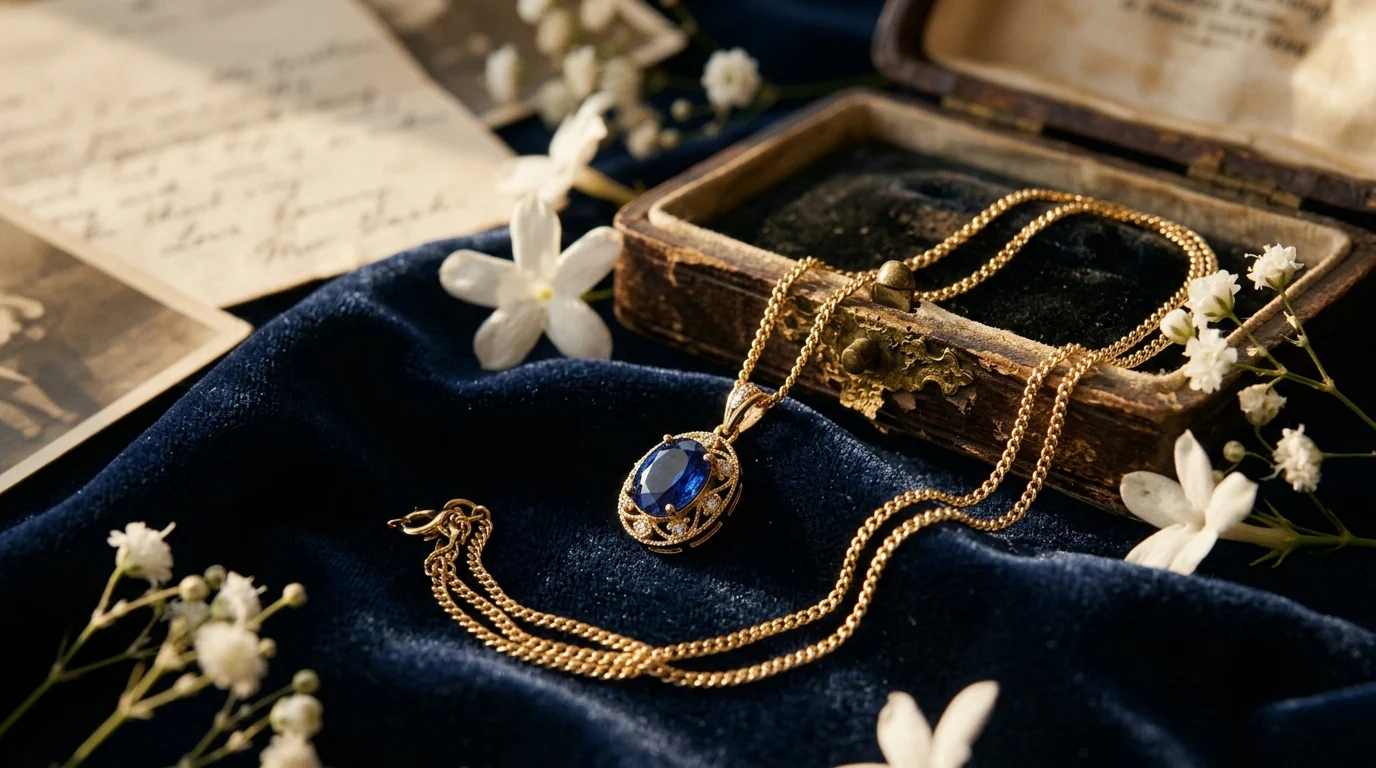
- Memories: A necklace inherited from a loved one can preserve meaningful memories.
- Wealth and status: Precious metals and gemstones have historically represented prosperity and social position.
Ultimately, necklace symbolism depends on the intentions of the wearer and the cultural meaning attached to the jewelry.
What Does Necklace Symbolism Represent?
A necklace can communicate several powerful ideas. Its meaning often comes from the person who wears it, the person who gives it, or the symbols included in its design.
Here are some of its most common symbolic meanings.
1. Love and Emotional Connection
One of the strongest meanings of a necklace is love. Giving someone a necklace can express affection, commitment, and appreciation.
Couples often exchange necklaces as reminders of their relationship. Similarly, parents may give necklaces to children to represent lasting family bonds.
2. Protection and Safety
Many cultures have used necklaces as protective objects. Certain pendants and amulets are believed to guard against negative energy, misfortune, or harmful influences.
Although these beliefs vary, protective necklaces remain meaningful in many spiritual traditions.
3. Identity and Individuality
A necklace can reveal something about someone’s personality, interests, or values.
Initial pendants, zodiac necklaces, birthstone jewelry, and personalized designs allow people to express who they are.
4. Faith and Spiritual Beliefs
Religious necklaces often symbolize devotion and connection with a higher power.
Crosses, prayer beads, and other sacred symbols can remind wearers of their beliefs and spiritual responsibilities.
5. Memories and Remembrance
Some necklaces carry emotional importance because they belonged to someone special.
A family heirloom or memorial pendant can represent love that continues even after separation or loss.
6. Beauty and Self-Expression
Necklaces also represent creativity, elegance, and personal style. People use them to complement clothing, celebrate special occasions, or express their artistic preferences.
Spiritual Meaning of Necklace Symbolism
Spiritually, necklace symbolism is often connected with protection, personal energy, emotional balance, and self-expression.
Since necklaces are worn close to the body, some spiritual traditions associate them with the connection between the mind, heart, and inner self.
Connection with the Throat Chakra
In certain Hindu and modern spiritual traditions, the throat chakra, known as Vishuddha, is associated with communication, honesty, and self-expression.
A necklace worn near the throat may symbolically remind someone to speak truthfully, express feelings, and communicate with confidence.
This association is especially common in modern chakra-inspired jewelry.
Spiritual Protection
Some people wear necklaces containing sacred symbols, gemstones, or traditional protective charms.
These objects may serve as reminders of faith, hope, and spiritual security. Their protective significance comes from cultural and religious beliefs rather than scientifically established effects.
Inner Strength and Personal Growth
A meaningful necklace can represent the strength to overcome difficulties and embrace personal change.
For example, a butterfly pendant may symbolize transformation, while a tree-shaped necklace may represent stability, growth, and connection with nature.
Connection with Higher Consciousness
Religious and spiritual pendants sometimes represent devotion, gratitude, and the search for deeper meaning.
For many wearers, these necklaces provide a physical reminder of their spiritual journey.
Biblical / Religious Meaning of Necklace Symbolism
Necklace symbolism appears in several religious traditions, including Christianity, Islam, Hinduism, and other cultural belief systems.
In the Bible, jewelry is sometimes associated with beauty, honor, celebration, and social importance.
Necklace Symbolism in the Bible
The Bible includes references to necklaces and other forms of jewelry.
In Proverbs 1:9, wise instruction is compared to a graceful garland and ornaments around the neck. This imagery connects jewelry with wisdom, guidance, and dignity.
Similarly, Genesis 41:42 describes Pharaoh placing a gold chain around Joseph’s neck as a sign of honor and authority.
These examples show how necklaces could represent recognition, respect, and elevated status in biblical times.
Christian Necklace Symbolism
In Christianity, necklaces featuring crosses often represent faith, sacrifice, salvation, and devotion to Jesus Christ.
Some Christians wear them as personal reminders of their religious beliefs and spiritual commitments.
Islamic Cultural Traditions
In many Muslim communities, necklaces may feature Arabic calligraphy, religious phrases, or meaningful symbols.
Such jewelry can express cultural identity, personal devotion, and appreciation for religious heritage. Practices and interpretations differ among individuals and communities.
Hindu Necklace Symbolism
In Hindu traditions, certain necklaces carry important religious and marital meanings.
The mangalsutra, for example, is traditionally associated with marriage and the bond between husband and wife in many Hindu communities.
Religious necklaces may also feature sacred imagery connected with particular deities.
Necklace Symbolism in History and Culture
Necklaces have played important roles in human societies for thousands of years. Ancient people created them using natural materials, shells, stones, bones, metals, and precious gemstones.
Their purposes extended beyond decoration.
Broad Collar with Falcon-Head Terminals – New Kingdom – The Metropolitan Museum of Art
Traditional Maasai Wedding Necklace – Handmade Kenyan Ceremonial Beade – Belle Noire
8
Ancient Egyptian Necklace Symbolism
In ancient Egypt, necklaces often represented wealth, religious beliefs, protection, and social position.
Gold jewelry was especially valued because of its association with divine power and eternity. Amulets and symbolic pendants also played important roles in religious and funerary practices.
Greek and Roman Traditions
Ancient Greeks and Romans wore necklaces made from gold, gemstones, and other valuable materials.
These accessories could communicate wealth, beauty, social standing, and cultural identity. Some designs also included protective or religious symbols.
African Cultural Traditions
Across different African communities, necklaces made from beads, shells, metals, and other materials have carried cultural and social significance.
Depending on the community, bead colors and patterns may communicate identity, heritage, age, social position, or ceremonial importance.
Indian Necklace Traditions
In Indian culture, necklaces are important in weddings, religious celebrations, and family traditions.
Gold necklaces often represent prosperity, family heritage, and celebration. Certain traditional designs also carry meanings connected with marriage and commitment.
Modern Cultural Interpretations
Today, necklaces continue to communicate personal and cultural meanings.
People wear family heirlooms, religious pendants, friendship necklaces, and personalized jewelry to celebrate important relationships and life experiences.
Necklace Symbolism in Literature and Art
Necklaces frequently appear in literature, paintings, sculptures, and visual storytelling.
Artists and writers use them to communicate ideas that go beyond physical beauty.
Love and Romance
In romantic stories, a necklace may represent affection, commitment, or a meaningful relationship.
A character receiving a necklace might be experiencing a new emotional connection or remembering someone important.
Wealth and Power
In historical paintings and royal portraits, elaborate necklaces often represent luxury, authority, and social influence.
Precious jewelry can also reveal the difference between wealthy and ordinary characters.
Identity and Personal Transformation
A necklace may represent a character’s identity or personal journey.
For instance, a pendant inherited from a family member might connect a character with their past, while a newly received necklace could represent a major life change.
Memory and Emotional Attachment
In literature, necklaces sometimes function as objects of remembrance.
A character may keep a necklace because it belonged to someone they loved. In this context, the jewelry represents emotional connection, loss, and lasting memories.
Dream Meaning of Necklace Symbolism
Dreaming about a necklace can have different interpretations depending on the situation, emotions, and personal experiences involved.
There is no universally established meaning for necklace dreams. However, common symbolic interpretations connect them with relationships, self-worth, personal identity, and emotional attachment.
GAVHAR Jewel Group — Ювелирные изделия из Намангана | Узбекистан
Here are some common necklace dream interpretations:
- Dreaming of wearing a necklace: May symbolize confidence, self-worth, or emotional connection.
- Receiving a necklace: Can represent affection, appreciation, or a desire for a closer relationship.
- Giving someone a necklace: May reflect generosity, commitment, or emotional attachment.
- Losing a necklace: Could symbolize fear of losing something valuable or feeling disconnected.
- A broken necklace: May reflect concerns about relationships, trust, or personal difficulties.
- Finding a necklace: Can represent discovering something valuable about yourself or recognizing an important opportunity.
- A gold necklace: May symbolize success, confidence, prosperity, or personal value.
- A silver necklace: May represent emotional balance, intuition, or clarity.
The feelings experienced during the dream can provide additional context. A beautiful necklace might create happiness, while a broken one could bring sadness or anxiety.
These interpretations are symbolic possibilities, not predictions of future events.
Modern Meaning of Necklace Symbolism
In modern society, necklaces represent much more than fashion. They have become personal objects through which people communicate their identities, relationships, and values.
Dainty Initial Necklace – Personalised Gold & Silver UK – Abiza
Rose Gold Sweetheart Delicate Pendant Necklace – Hey Happiness
7
Personalized Identity
Initial necklaces, name pendants, and birthstone jewelry allow people to celebrate their individuality.
These accessories can represent personal achievements, family connections, or important aspects of someone’s identity.
Love and Commitment
Heart pendants, matching necklaces, and engraved jewelry remain popular expressions of affection.
They can mark anniversaries, birthdays, engagements, and other meaningful occasions.
Fashion and Self-Expression
Modern necklaces come in countless designs, from simple chains to bold statement pieces.
Some people prefer minimalist jewelry, while others choose colorful gemstones and unusual pendants to express their creativity.
Emotional and Family Connections
Inherited necklaces often carry stories that connect different generations.
A necklace passed from a grandmother to a granddaughter, for example, can represent family history, love, and continuity.
Symbolic Gemstones and Pendants
Different necklace designs can communicate different ideas:
| Necklace type | Common symbolic meaning |
|---|---|
| Heart necklace | Love and affection |
| Cross necklace | Faith and devotion |
| Gold necklace | Prosperity and success |
| Silver necklace | Clarity and elegance |
| Pearl necklace | Wisdom and purity |
| Butterfly necklace | Transformation and freedom |
| Tree of life necklace | Growth and family connection |
| Birthstone necklace | Identity and personal significance |
| Lock and key necklace | Trust and emotional connection |
| Infinity necklace | Eternal love and commitment |
These meanings are common interpretations rather than universal rules.
FAQS:
1. What Does a Necklace Symbolize?
A necklace commonly symbolizes love, protection, identity, faith, beauty, and emotional connection. Its exact meaning depends on its design, cultural background, and personal significance.
2. What Does Giving Someone a Necklace Mean?
Giving someone a necklace often represents affection, appreciation, commitment, or a meaningful personal connection. The intention behind the gift helps determine its significance.
3. What Is the Spiritual Meaning of Wearing a Necklace?
Spiritually, wearing a necklace may symbolize protection, faith, self-expression, and connection with personal beliefs. Some traditions also associate necklaces with communication and the throat chakra.
4. What Does a Gold Necklace Symbolize?
A gold necklace commonly represents wealth, prosperity, success, confidence, and prestige. In some cultures, it also symbolizes family heritage and celebration.
5. What Does a Necklace Mean in a Dream?
A necklace in a dream may represent love, relationships, self-worth, or emotional attachment. Its interpretation depends on the dream’s details and the feelings experienced by the dreamer.
Conclusion
Necklace symbolism reveals how a simple piece of jewelry can carry powerful emotional, cultural, and spiritual meanings. Whether it represents love, faith, protection, identity, or cherished memories, a necklace often holds significance beyond its appearance. Ultimately, its deepest meaning comes from the beliefs, experiences, and personal connections attached to it.

I explore the meanings and stories behind symbols, helping readers understand their cultural, spiritual, and everyday significance through clear, engaging, and meaningful insights.