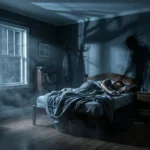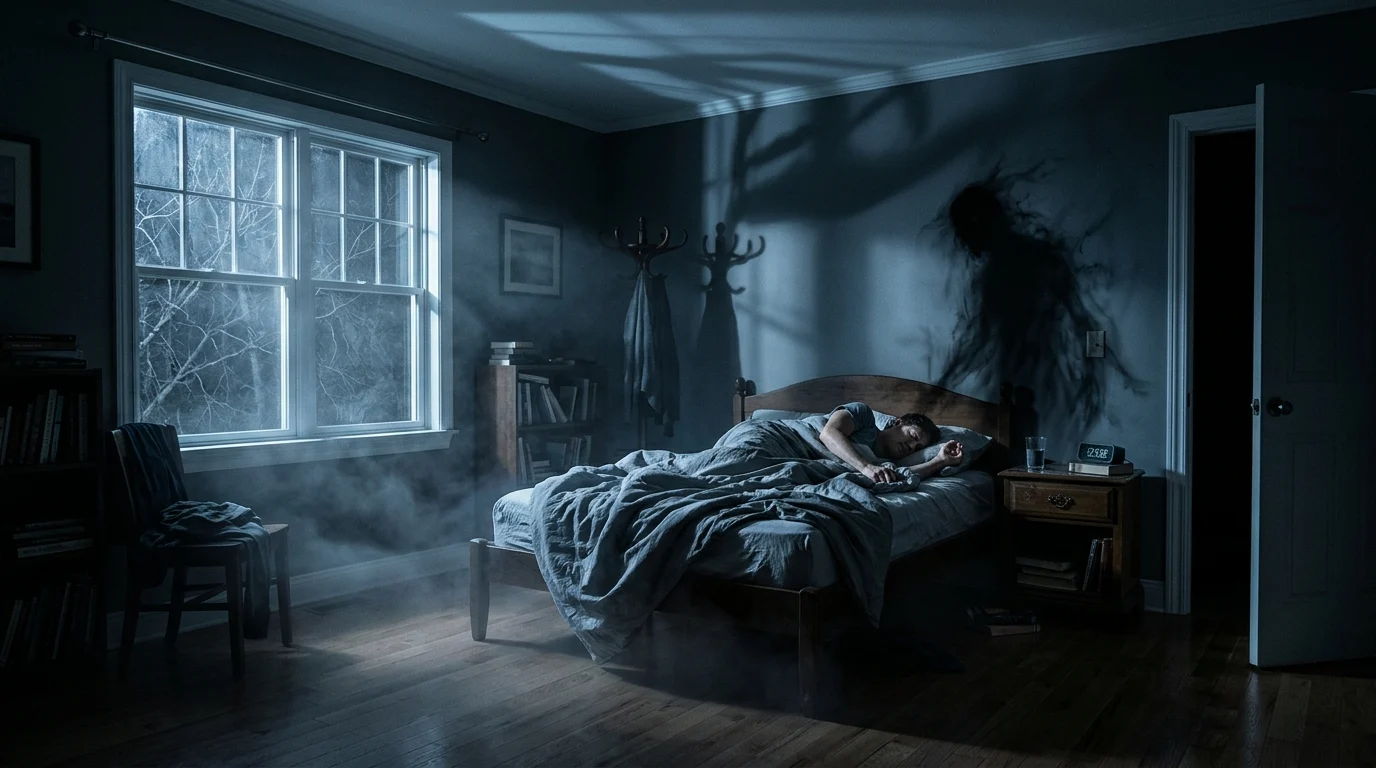
Nightmare symbolism explores the deeper meanings behind frightening dreams, disturbing images, and unsettling nighttime experiences. Although nightmares can feel terrifying, they often reflect emotions, fears, memories, or personal struggles that the mind processes during sleep. Understanding nightmare symbolism can help people recognize hidden worries, emotional patterns, and opportunities for personal growth.
Across different cultures and spiritual traditions, nightmares have inspired stories, religious interpretations, and symbolic explanations. Some people view them as warnings or spiritual messages, while others understand them through psychology and the science of dreaming. Their meaning often depends on personal experiences, emotions, and the details of the dream.
Nightmare Symbolism Meaning (Clear Definition)
Nightmare symbolism refers to the symbolic meanings associated with frightening dreams and disturbing nighttime experiences. It often represents fear, anxiety, unresolved emotions, personal conflicts, uncertainty, or situations that feel difficult to control.
A nightmare does not necessarily predict something bad. Instead, it may reflect feelings or experiences that need attention in waking life.
For example, dreaming about being chased may symbolize avoidance, while falling from a great height might represent insecurity or a perceived loss of control.
The meaning of a nightmare can change depending on the dreamer’s circumstances.
What Does Nightmare Symbolism Represent?
Nightmare symbolism can represent several emotional and psychological experiences. Frightening dream images often connect with feelings that people struggle to express during everyday life.
Here are some common symbolic meanings:
| Nightmare Symbol | Possible Symbolic Meaning |
|---|---|
| Being chased | Avoidance, fear, or pressure |
| Falling | Insecurity or loss of control |
| Darkness | Uncertainty or the unknown |
| Losing teeth | Vulnerability or concerns about change |
| Drowning | Feeling emotionally overwhelmed |
| Being trapped | Restrictions or helplessness |
| Monsters | Personal fears or inner conflicts |
| Death | Transformation or the end of a chapter |
| Natural disasters | Emotional instability or major changes |
These interpretations are possibilities rather than universal meanings. A person’s feelings and personal experiences provide important context.
Fear and Anxiety
Fear is one of the most common themes in nightmares. Dreams involving dangerous situations may reflect worries about relationships, responsibilities, finances, or uncertain circumstances.
Sometimes, the frightening situation represents something that feels overwhelming in everyday life.
Unresolved Emotions
Nightmares may bring attention to emotions that remain unprocessed. Sadness, anger, guilt, and disappointment can influence dream experiences.
Recognizing these emotions can help people understand what is troubling them.
Loss of Control
Dreams about falling, drowning, or being trapped may symbolize situations in which someone feels powerless.
These images can reflect difficulties at work, relationship problems, or major life decisions.
Change and Transformation
Not every frightening dream represents something negative. Some nightmare images may symbolize the end of an old situation and the beginning of a different chapter.
For example, dreaming about death can sometimes represent personal transformation rather than physical death.
Spiritual Meaning of Nightmare Symbolism
The spiritual meaning of nightmare symbolism often connects with inner reflection, emotional awareness, spiritual growth, and the search for peace.
In various spiritual traditions, frightening dreams receive different interpretations. Some people believe nightmares encourage self-examination, while others see them as reminders to strengthen their spiritual practices.
A Call for Inner Reflection
A nightmare may encourage someone to examine thoughts, emotions, and personal struggles.
For example, repeatedly dreaming about being lost might reflect uncertainty about life’s direction. This experience can inspire someone to reconsider their priorities and decisions.
Spiritual Protection
Some spiritual traditions associate frightening dreams with the need for protection, prayer, or stronger spiritual awareness.
People may respond by praying, meditating, or following familiar religious practices that bring comfort.
Confronting Inner Fears
Nightmares can symbolically encourage people to face fears instead of continually avoiding them.
A dream about a frightening creature, for instance, might represent a difficult situation or emotion that someone needs to acknowledge.
Personal Transformation
Some spiritual interpretations connect nightmares with periods of change.
Although these dreams may create temporary discomfort, reflecting on them can help people recognize unhealthy patterns and develop greater emotional strength.
It is important to remember that spiritual interpretations are matters of personal belief, not scientifically established explanations.
Biblical / Religious Meaning of Nightmare Symbolism
Nightmares have different meanings across religious traditions. In Christianity and other faiths, frightening dreams may be discussed in connection with fear, temptation, spiritual reflection, or the importance of seeking comfort through faith.
Biblical Perspectives on Frightening Dreams
The Bible includes several accounts of meaningful dreams. For example, Joseph interpreted dreams in Genesis, and Daniel received and interpreted visions in the Book of Daniel.
These biblical accounts show that dreams sometimes played an important role in religious storytelling. However, the Bible does not provide a universal interpretation for every nightmare.
Fear and Faith
From a Christian perspective, frightening dreams may encourage believers to turn toward prayer, trust, and spiritual reassurance.
Psalm 23, particularly its imagery of walking through a dark valley without fear, is often associated with finding comfort during difficult experiences.
Islamic Perspectives on Nightmares
In Islamic tradition, dreams are discussed in different categories, including good dreams, disturbing dreams, and dreams connected with a person’s thoughts or experiences.
Authentic hadith teachings describe seeking refuge in Allah after experiencing a disturbing dream. Muslims may also follow the recommended practices taught in Islamic tradition for responding to unpleasant dreams.
Religious Reflection and Peace
Across religious traditions, people may use prayer, meditation, and spiritual reflection to find reassurance after frightening dreams.
Rather than treating every nightmare as a definite warning, it is helpful to consider personal circumstances and established religious teachings.
Nightmare Symbolism in History and Culture
Nightmares have fascinated people throughout history. Ancient civilizations developed different explanations for frightening dreams, often connecting them with supernatural beings, spiritual forces, or messages from unseen worlds.
Ancient Egyptian Beliefs
In ancient Egypt, dreams held religious and cultural importance. Some historical dream traditions connected nighttime experiences with divine communication and spiritual protection.
People sometimes used prayers, rituals, and protective objects to respond to frightening experiences.
Ancient Greek and Roman Interpretations
Ancient Greeks and Romans explored dreams through religious beliefs, philosophy, and early attempts at understanding the human mind.
Some people believed dreams could contain messages from gods, while others considered them reflections of everyday concerns.
European Folklore
European folklore often connected nightmares with supernatural creatures and mysterious nighttime visitors.
The old concept of the nightmare included beliefs about a supernatural presence that supposedly pressed upon a sleeping person. This historical idea also influenced the development of the modern word nightmare.
Cultural Interpretations Around the World
Different cultures have developed unique explanations for disturbing dreams.
Some traditions associate nightmares with spiritual imbalance, while others understand them as reflections of emotional struggles, social concerns, or life experiences.
These cultural perspectives demonstrate how human beings have always searched for meaning in frightening nighttime experiences.
Nightmare Symbolism in Literature and Art
Nightmares have played an important role in literature, painting, poetry, and visual storytelling. Artists often use frightening dream imagery to explore human fears, hidden emotions, and mysterious aspects of the mind.
The Nightmare by Henry Fuseli
Smarthistory – Henry Fuseli, The Nightmare
One of the most famous artistic representations of nightmare imagery is The Nightmare (1781) by Henry Fuseli.
The painting depicts a sleeping woman with a strange creature sitting on her body and a mysterious horse appearing in the background.
Its unsettling atmosphere explores fear, vulnerability, imagination, and the mysterious nature of sleep.
Nightmares in Gothic Literature
Gothic literature frequently uses nightmares to create suspense and explore psychological darkness.
Writers often include haunted houses, frightening creatures, mysterious shadows, and disturbing dreams to represent hidden fears or emotional conflicts.
Symbolism in Modern Films
Modern films also use nightmare imagery to explore trauma, anxiety, identity, and the boundary between reality and imagination.
Dream sequences can reveal a character’s deepest fears without directly explaining their emotions.
Through these artistic expressions, nightmares become powerful symbols of the human experience.
Dream Meaning of Nightmare Symbolism
Dream meaning of nightmare symbolism depends on the images, emotions, and experiences involved. A frightening dream may reflect stress, difficult memories, emotional pressure, or ordinary dream activity.
Here are some common nightmare experiences and their possible meanings.
Dreaming About Being Chased
Being chased in a nightmare may symbolize avoiding a difficult situation, responsibility, or uncomfortable emotion.
Consider whether something in your waking life feels difficult to confront.
Dreaming About Falling
Falling dreams may reflect insecurity, uncertainty, or a perceived loss of control.
They sometimes occur during stressful periods when life feels unpredictable.
Dreaming About Death
Death-related nightmares can feel particularly disturbing. Symbolically, death may represent endings, personal changes, or transitions.
Such dreams do not mean that someone will die.
Dreaming About Monsters
Monsters may represent fears, difficult emotions, or situations that appear threatening.
The monster’s appearance and your reaction to it can provide additional context.
Dreaming About Being Trapped
A nightmare about being trapped may reflect helplessness or frustration.
It might connect with a relationship, responsibility, or personal situation that feels restrictive.
Why Do People Experience Nightmares?
Nightmares can have several possible causes, including:
- Emotional stress and everyday anxiety.
- Traumatic or upsetting experiences.
- Irregular sleeping schedules.
- Certain medications or substances.
- Sleep disorders and disrupted sleep.
- Illness, discomfort, or significant life changes.
Recurring nightmares that cause significant distress or interfere with sleep may benefit from professional attention.
Modern Meaning of Nightmare Symbolism
In modern life, nightmare symbolism is often explored through psychology, sleep research, personal reflection, and popular culture.
Rather than assuming every frightening dream contains a hidden message, modern interpretations consider how emotions, memories, and sleep experiences influence dreams.
Psychological Meaning
Psychologists and researchers study nightmares in connection with emotional processing, stress, trauma, and sleep.
Some nightmares may reflect difficult experiences or emotional concerns, although their precise meaning cannot always be identified.
Emotional Awareness
Recording nightmares in a dream journal can help people notice recurring themes.
For example, repeated dreams about being late might encourage someone to examine feelings of pressure, responsibility, or fear of failure.
Nightmares and Mental Well-Being
Frequent nightmares can affect sleep quality and daytime well-being.
People experiencing persistent nightmares may benefit from healthy sleep habits and professional support. Treatments such as imagery rehearsal therapy can help people who experience recurring nightmares.
Finding Meaning Without Fear
The most helpful modern approach is to explore nightmares with curiosity rather than panic.
A frightening dream does not automatically predict danger, reveal a supernatural threat, or indicate a personal weakness.
Sometimes, understanding the emotions behind a nightmare is more useful than searching for a fixed symbolic explanation.
FAQS:
1. What does nightmare symbolism mean?
Nightmare symbolism refers to the possible meanings of frightening dreams and disturbing nighttime images. It commonly connects with fear, anxiety, unresolved emotions, uncertainty, and personal challenges.
2. Are nightmares a warning about the future?
No scientific evidence shows that nightmares reliably predict future events. They are more commonly studied in relation to emotions, memories, stress, and sleep experiences.
3. What is the spiritual meaning of having nightmares?
Some spiritual traditions interpret nightmares as reminders for reflection, prayer, or spiritual awareness. These interpretations vary between individuals, cultures, and religious beliefs.
4. Why do I keep having the same nightmare?
Recurring nightmares may be associated with ongoing stress, traumatic experiences, sleep disruption, or emotional difficulties. If they regularly disturb your sleep, consider speaking with a qualified healthcare professional.
5. Can nightmares have positive meanings?
Yes. Although nightmares feel frightening, reflecting on them may help someone recognize personal fears, understand difficult emotions, and identify areas where positive changes are needed.
Conclusion
Nightmare symbolism reveals how frightening dreams can connect with fear, anxiety, emotional struggles, spiritual beliefs, and personal transformation. Although nightmares do not have one universal meaning, exploring their themes can encourage greater self-awareness and emotional understanding. Instead of allowing frightening dreams to create unnecessary fear, approach them with curiosity and use their emotional themes as an opportunity for reflection and personal growth.

I explore the meanings and stories behind symbols, helping readers understand their cultural, spiritual, and everyday significance through clear, engaging, and meaningful insights.