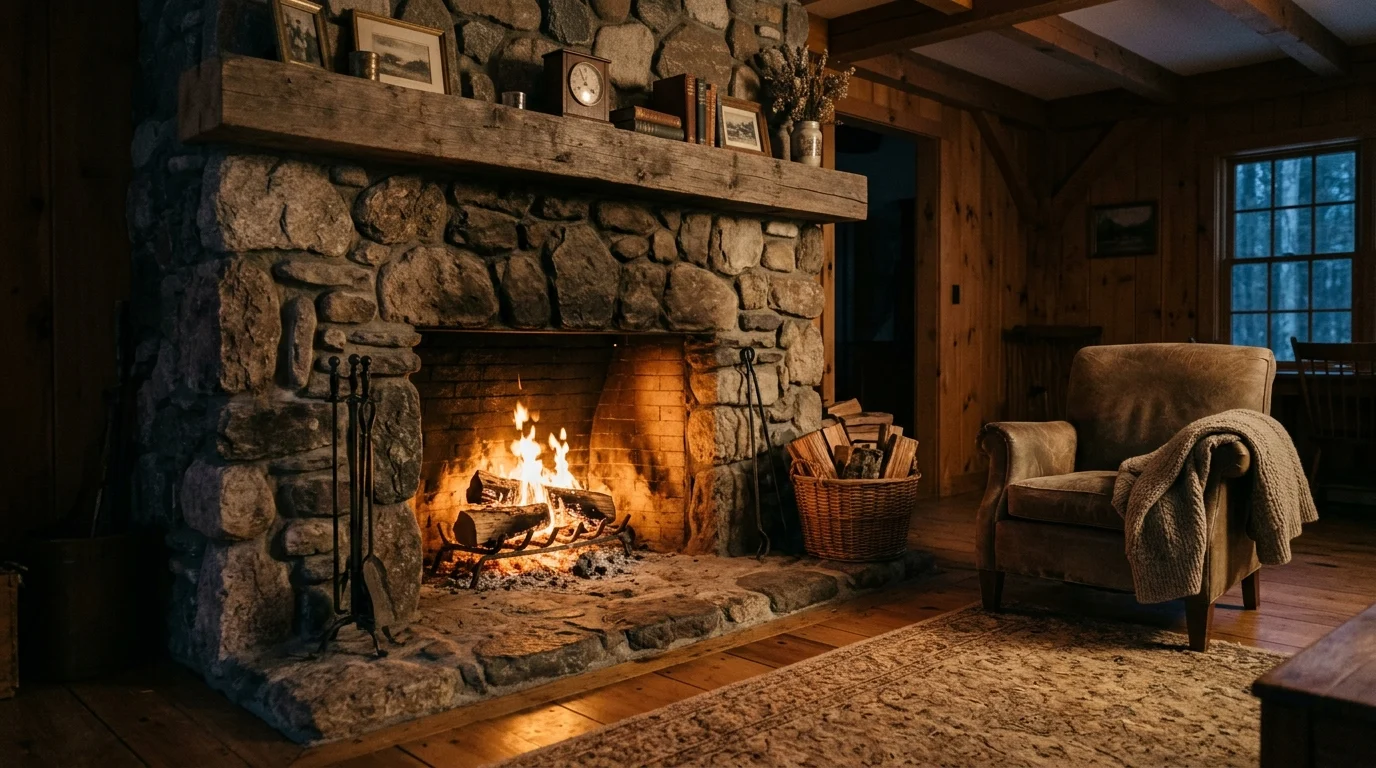
A fireplace often represents warmth, comfort, protection, and the feeling of home. Fireplace symbolism goes deeper than the physical hearth, connecting fire with family, emotional security, transformation, and belonging. Across history, the fireplace has served as a gathering place where people shared meals, stories, celebrations, and quiet moments together.
Its meaning can change depending on the context. A glowing fireplace may suggest peace and contentment, while an extinguished fire can symbolize loneliness, emotional distance, or the end of an important period.
Fireplace Symbolism Meaning (Clear Definition)
Fireplace symbolism represents warmth, home, protection, family connection, emotional comfort, and inner strength. Because a fireplace contains and controls fire, it can also symbolize passion guided by stability and purpose.
The hearth has traditionally been associated with the center of domestic life. It provided heat, light, cooking, and a natural place for people to gather.
Common symbolic meanings include:
- Warmth: Emotional affection and comfort.
- Home: A sense of belonging and security.
- Protection: A safe space away from outside dangers.
- Family: Connection between loved ones.
- Passion: Inner energy, desire, and motivation.
- Transformation: Fire’s ability to change and renew.
- Peace: Quietness, relaxation, and emotional balance.
- Continuity: Traditions passed from one generation to another.
What Does Fireplace Symbolism Represent?
A fireplace can represent several ideas at once, especially when viewed through emotional or cultural symbolism.
Home and Belonging
The fireplace is strongly connected with the idea of home. Its presence can create a feeling of safety and familiarity, making it a symbol of belonging.
Family and Togetherness
Historically, people often gathered around the hearth to eat, talk, work, and rest. For this reason, a fireplace can symbolize family bonds and shared experiences.
Comfort and Emotional Warmth
A burning fireplace can represent emotional warmth just as physical fire provides warmth to the body. It may suggest kindness, affection, friendship, or reassurance during difficult times.
Protection and Security
A fireplace contains a potentially dangerous element within a controlled space. Symbolically, this can represent protection, boundaries, and the ability to manage powerful emotions or circumstances.
Passion and Inner Energy
Fire is naturally associated with energy and passion. When contained within a fireplace, that energy becomes more controlled, suggesting focused ambition rather than uncontrolled intensity.
Spiritual Meaning of Fireplace Symbolism
Spiritually, a fireplace may symbolize the inner flame that keeps a person connected to hope, purpose, love, and personal strength.
A steady fire can represent spiritual balance. It suggests that inner energy does not always need to burn intensely; sometimes its greatest value comes from remaining consistent.
The fireplace can also represent purification and renewal. Fire has long appeared in spiritual traditions as an image of transformation, although the exact meaning differs between cultures and religions.
A fireplace may therefore symbolize:
- Inner peace
- Spiritual warmth
- Renewal and transformation
- Protection from negativity
- Hope during difficult periods
- Connection with family and ancestors
- A strong inner life
These interpretations are symbolic rather than universal spiritual facts. Their meaning depends on the tradition and personal beliefs of the person interpreting them.
Biblical / Religious Meaning of Fireplace Symbolism
The Bible frequently uses fire as a symbol associated with God’s presence, judgment, purification, revelation, and spiritual power. However, a domestic fireplace itself does not have one fixed biblical meaning.
The biblical symbolism of fire can provide useful context when interpreting a hearth or fireplace. A warm fire may evoke ideas of protection and provision, while fire’s transformative nature can suggest purification or spiritual renewal.
In religious art and storytelling, fire may also represent divine presence or sacred illumination. These meanings should be distinguished from the everyday cultural symbolism of a household fireplace.
Fireplace Symbolism in History and Culture
The fireplace has played an important role in domestic life for centuries. Before modern heating systems, the hearth was essential for warmth, cooking, and light.
Because so many daily activities happened around the hearth, it became much more than a practical feature of a home. It became a cultural symbol of family life and hospitality.
In many European traditions, the hearth represented continuity within the household. Maintaining the household fire could also be connected with ideas of prosperity, protection, and family stability.
The fireplace eventually became an important architectural feature as well. Large historic fireplaces often communicated wealth, status, hospitality, and permanence.
Today, even when a fireplace is no longer necessary for heating or cooking, its symbolic power remains strong.
Fireplace Symbolism in Literature and Art
Writers and artists often use fireplaces to create emotional atmosphere.
A glowing hearth can suggest safety, nostalgia, romance, friendship, or peaceful domestic life. A cold or abandoned fireplace may create an entirely different impression, suggesting loss, loneliness, emptiness, or a home that has lost its former life.
In storytelling, a fireplace can also become a setting for important conversations. Characters gathered around a fire may reveal secrets, remember the past, make plans, or reconnect after conflict.
Artists frequently use the contrast between warm firelight and darker surroundings to communicate intimacy and emotional depth.
Dream Meaning of Fireplace Symbolism
Dreams about fireplaces can have different interpretations depending on the dreamer’s emotions and circumstances. There is no scientifically established universal meaning for a particular dream symbol.
A warm, bright fireplace may reflect feelings of comfort, safety, belonging, or emotional satisfaction.
A dying fireplace may suggest that something once meaningful feels weaker or distant.
A cold fireplace can symbolize loneliness, emotional emptiness, or a lack of connection.
A fire that burns uncontrollably may represent intense emotions, conflict, stress, or a situation that feels difficult to manage.
The most useful interpretation usually comes from considering what the fireplace looked like and how you felt during the dream.
Modern Meaning of Fireplace Symbolism
In modern life, fireplaces often carry symbolic meaning even when they are no longer essential for survival.
A fireplace can represent a desire for a slower and more peaceful lifestyle. It may evoke cozy evenings, family gatherings, relaxation, and time away from digital distractions.
The popularity of fireplaces in interior design also reflects this emotional association. A fireplace can become the visual center of a room, creating an atmosphere of hospitality and comfort.
Modern fireplace symbolism often connects with ideas such as:
- Cozy living
- Emotional security
- Family traditions
- Hospitality
- Relaxation
- Nostalgia
- Personal sanctuary
For many people, the fireplace represents the kind of home where they feel welcomed, understood, and at peace.
FAQS:
What does a fireplace symbolize?
A fireplace commonly symbolizes warmth, home, family, protection, comfort, and emotional connection. Its meaning can also include passion, renewal, and stability.
What does a fireplace symbolize spiritually?
Spiritually, a fireplace can represent an inner flame of hope, love, strength, and renewal. Its interpretation depends on the person’s spiritual or cultural tradition.
What does a burning fireplace mean in a dream?
A burning fireplace in a dream may represent comfort, emotional warmth, security, or strong personal energy. The surrounding dream and the dreamer’s feelings are important for interpretation.
What does an extinguished fireplace symbolize?
An extinguished fireplace may symbolize emotional distance, loneliness, loss, or the closing of a chapter. It can also simply represent rest or the end of an intense period.
Why is the fireplace associated with family?
The fireplace historically served as a central place for cooking, heating, gathering, and conversation. These practical roles helped it become a lasting symbol of family and togetherness.
Conclusion
Fireplace symbolism centers on warmth, home, protection, family, and emotional connection. From the traditional hearth to the modern living room, the fireplace continues to represent a place where people find comfort, share memories, and feel a sense of belonging. Its enduring message is simple: even a small flame can make a space feel like home.

I explore the meanings, history, and cultural significance behind symbols, helping readers understand how symbols connect with ideas, emotions, traditions, and everyday life.