Orange symbolism is often connected with energy, creativity, warmth, enthusiasm, confidence, and transformation. As a vibrant color between red and yellow, orange can represent a balance between passion and happiness. Its meaning can change depending on culture, personal experiences, spiritual beliefs, dreams, and the situation in which the color appears.
From sunsets and autumn leaves to clothing, flowers, and artwork, orange naturally attracts attention. It can encourage optimism, social connection, courage, and a willingness to embrace change.
Orange Symbolism Meaning (Clear Definition)
The simplest definition of orange symbolism is the use of the color orange to represent energy, enthusiasm, creativity, warmth, joy, confidence, and transformation.
Orange is an expressive color. It is brighter and more playful than red while carrying more energy than yellow. Because of this combination, it can symbolize both emotional warmth and active motivation.
Common orange meanings include:
- Energy and vitality – Orange can suggest movement, enthusiasm, and liveliness.
- Creativity – It is often associated with imagination, artistic expression, and originality.
- Joy and optimism – Bright orange can evoke happiness and positive feelings.
- Confidence – Orange can symbolize courage, boldness, and self-expression.
- Warmth and friendship – Its association with fire and sunlight can make it feel welcoming.
- Transformation – Orange appears strongly in autumn, making it a symbol of transition and change.
- Abundance – Orange fruits, harvest colors, and autumn landscapes can connect the color with prosperity and plenty.
The exact meaning depends on the shade. Bright orange may feel energetic and playful, while burnt or dark orange can suggest maturity, endurance, grounding, and change.
What Does Orange Symbolism Represent?
Orange symbolism represents a combination of passion, happiness, creativity, social connection, and personal strength.
Because orange sits between red and yellow on the color spectrum, it is sometimes viewed symbolically as a meeting point between action and optimism.
1. Energy and Motivation
Orange has a lively visual presence. It can symbolize the desire to act, explore, create, and move forward.
2. Creativity and Self-Expression
Orange is strongly associated with artistic energy. It can represent the freedom to experiment, express emotions, and approach problems from a new perspective.
3. Happiness and Positivity
Warm orange shades can communicate enthusiasm and optimism. They may symbolize a positive attitude and the ability to find enjoyment in everyday experiences.
4. Confidence and Courage
Orange can represent someone who is comfortable being noticed. It may symbolize confidence, bold choices, independence, and willingness to take risks.
5. Friendship and Social Connection
Orange often feels approachable and welcoming. Symbolically, it can represent communication, companionship, celebration, and community.
6. Change and Transformation
The appearance of orange in autumn creates a strong connection with seasonal transition. For this reason, orange can symbolize letting go of the past and entering a new stage of life.
Spiritual Meaning of Orange Symbolism
The spiritual meaning of orange symbolism is often associated with creativity, emotional vitality, desire, confidence, pleasure, and transformation.
In several spiritual traditions, orange is connected with the sacral chakra, commonly called Svadhisthana. In chakra-based practices, this energy center is traditionally associated with creativity, emotions, sensuality, relationships, and pleasure.
Seeing orange repeatedly may therefore be interpreted by some people as a reminder to reconnect with creativity or emotional expression.
Orange can also symbolize spiritual warmth. Like the glow of a flame or sunset, it may represent inner energy that encourages a person to continue growing.
From a broader spiritual perspective, orange may suggest:
- Embracing creativity
- Expressing emotions honestly
- Finding joy in life
- Developing confidence
- Accepting personal change
- Building meaningful relationships
- Reconnecting with passion and purpose
Spiritual interpretations are personal rather than universal. The circumstances surrounding the color often matter more than the color alone.
Biblical / Religious Meaning of Orange Symbolism
The Bible does not establish one universal symbolic meaning for the color orange. Modern interpretations of orange symbolism in Christianity often come from associations with related colors, natural imagery, fire, light, harvest, and religious traditions rather than a specific biblical definition.
Orange can remind some Christians of fire, spiritual enthusiasm, sacrifice, warmth, and renewal. Its relationship with flames may evoke biblical passages where fire represents God’s presence, purification, or divine power.
Orange also appears naturally in images of harvest and abundance. Because harvest is an important biblical theme, orange may symbolically suggest gratitude, provision, fruitfulness, and the rewards of faithful work.
However, it is important not to treat every modern color interpretation as a direct biblical teaching. Religious symbolism can vary between denominations, cultures, and traditions.
Orange Symbolism in History and Culture
Orange has carried different meanings across societies and historical periods.
In some contexts, orange became associated with royalty, prestige, spirituality, celebration, or political identity. Its cultural significance has also been influenced by pigments, textiles, religious art, national traditions, and naturally occurring orange materials.
The color became especially important in European art and decorative traditions as artists developed and refined orange pigments. Orange clothing and objects could attract attention because the color was visually distinctive.
In East and South Asian cultural contexts, orange and closely related saffron tones can have important religious and spiritual associations. Saffron-colored clothing, for example, has significance in several traditions.
Orange is also strongly connected with autumn in many parts of the world. Orange leaves, pumpkins, sunsets, and harvest imagery have helped establish associations with seasonal change, abundance, warmth, and preparation for winter.
Because cultural symbolism differs, the meaning of orange should always be understood within its specific historical and cultural setting.
Orange Symbolism in Literature and Art
Orange is a powerful artistic color because it creates immediate visual warmth.
In paintings, orange can represent sunlight, fire, passion, autumn, celebration, danger, or emotional intensity. Artists may use orange to draw the viewer’s eye toward a particular object or area of a composition.
Sunsets are another important artistic use of orange. An orange sky can suggest peacefulness, transition, nostalgia, hope, or the end of one chapter before another begins.
In literature, orange imagery may be used to describe:
- Autumn and changing seasons
- Fire and warmth
- Golden sunsets
- Passion and excitement
- Youthful energy
- Emotional transformation
- Harvest and abundance
The emotional meaning depends heavily on context. A soft orange sunset may suggest peace, while a blazing orange fire may suggest danger or powerful emotion.
Dream Meaning of Orange Symbolism
Dreams involving orange can have different interpretations depending on the dreamer’s emotions and circumstances.
Seeing a bright orange color may symbolize enthusiasm, creativity, optimism, or a desire for change. It can sometimes reflect a period when you feel motivated to begin something new.
An orange sunset may represent transition, closure, reflection, or hope for a new beginning.
Orange clothing might relate to confidence, self-expression, or the desire to stand out.
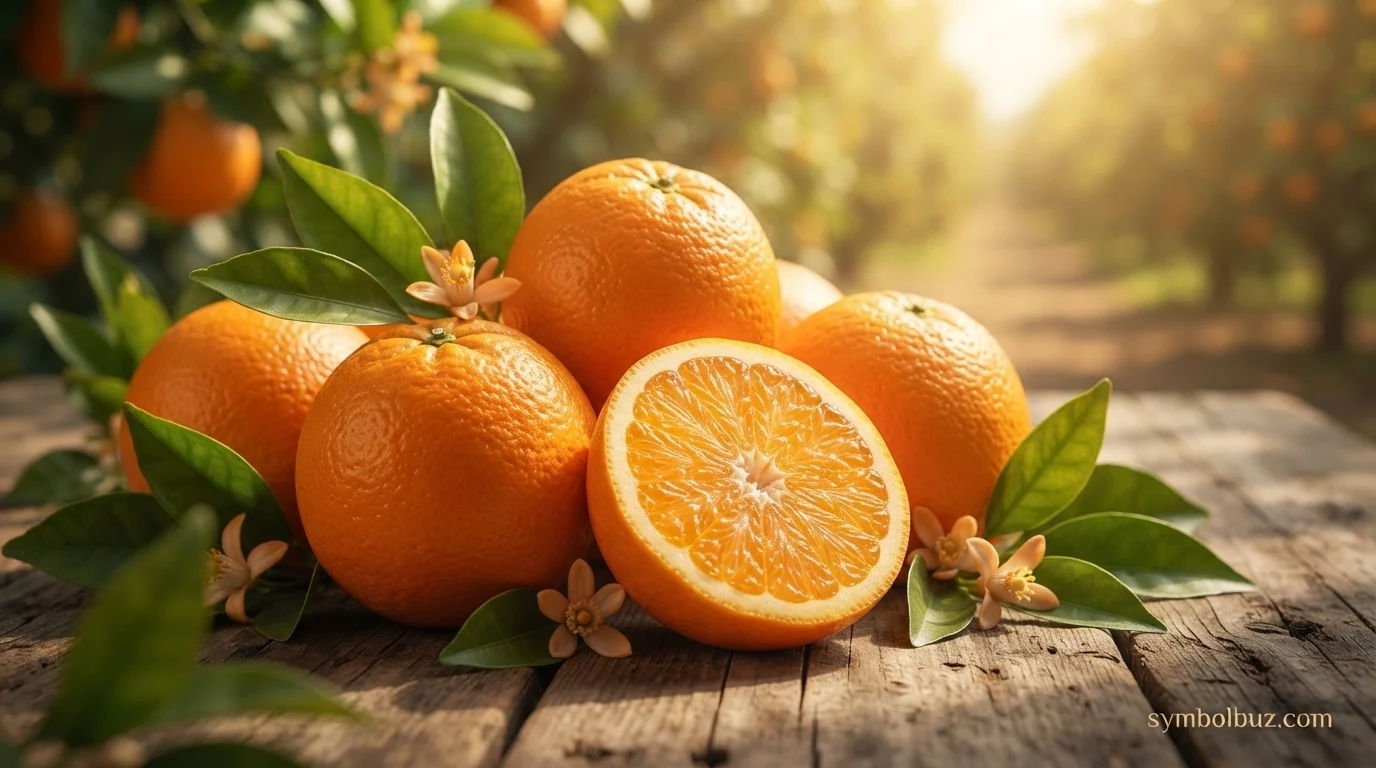
Orange fruit can symbolize nourishment, vitality, pleasure, or abundance.
The emotional atmosphere of the dream is especially important. If the orange object made you feel peaceful, its meaning may differ considerably from an orange object that created fear or discomfort.
Dream symbolism is subjective, so there is no single interpretation that applies to everyone.
Modern Meaning of Orange Symbolism
Today, orange is commonly associated with energy, friendliness, creativity, excitement, youthfulness, and visibility.
Businesses and designers may use orange when they want something to feel energetic, approachable, playful, or attention-grabbing. In everyday life, orange can communicate confidence without carrying the same intensity as bright red.
Orange is also prominent in seasonal imagery, especially during autumn. Pumpkins, falling leaves, warm drinks, sunsets, and cozy interiors reinforce its association with comfort and change.
Different shades create different impressions:
| Orange Shade | Common Symbolic Meaning |
|---|---|
| Bright Orange | Energy, excitement, enthusiasm |
| Light Orange | Warmth, friendliness, optimism |
| Peach | Gentleness, affection, comfort |
| Burnt Orange | Maturity, stability, autumn, transformation |
| Dark Orange | Strength, endurance, determination |
| Saffron Orange | Spirituality, tradition, devotion |
| Golden Orange | Abundance, confidence, achievement |
Is Orange a Symbol of Creativity?
Yes, orange is commonly associated with creativity, imagination, enthusiasm, and self-expression. Its energetic appearance can symbolically encourage experimentation and openness to new ideas.
What Does Orange Mean Spiritually?
Spiritually, orange is often associated with creative energy, emotional expression, confidence, pleasure, and transformation. In chakra-based traditions, it is commonly connected with the sacral chakra and its themes of creativity and emotional vitality.
What Does the Color Orange Mean in a Dream?
Orange in a dream may represent enthusiasm, creativity, confidence, emotional energy, or a desire for change. The meaning depends on what was orange and how you felt during the dream.
Is Orange a Positive Symbol?
Orange is generally viewed as a positive color associated with warmth, optimism, creativity, friendship, and energy. However, in certain contexts it can also represent warning, impatience, excess, or emotional intensity.
What Does Orange Symbolize in Love?
In romantic symbolism, orange can represent attraction, excitement, enthusiasm, playfulness, and emotional warmth. It may suggest a relationship filled with energy and a desire to experience new things together.
Conclusion
Orange symbolism carries a vibrant message of energy, creativity, warmth, confidence, joy, and transformation. Whether it appears in nature, dreams, spirituality, art, or everyday life, orange often reminds us to embrace change while keeping our enthusiasm alive.
Its strongest message may be simple: bring more warmth, courage, creativity, and positive energy into the next chapter of your life.

I explore the meanings and stories behind symbols, helping readers understand their cultural, spiritual, and everyday significance through clear, engaging, and meaningful insights.